



AfDB and BDEAC Forge Partnership to Boost Central Africa’s Economic Growth
Under the agreement, the African Development Bank Group will explore ways to support BDEAC in strengthening its financial position, improving solvency, and enhancing its ability to mobilise long-term capital.
- Country:
- Congo
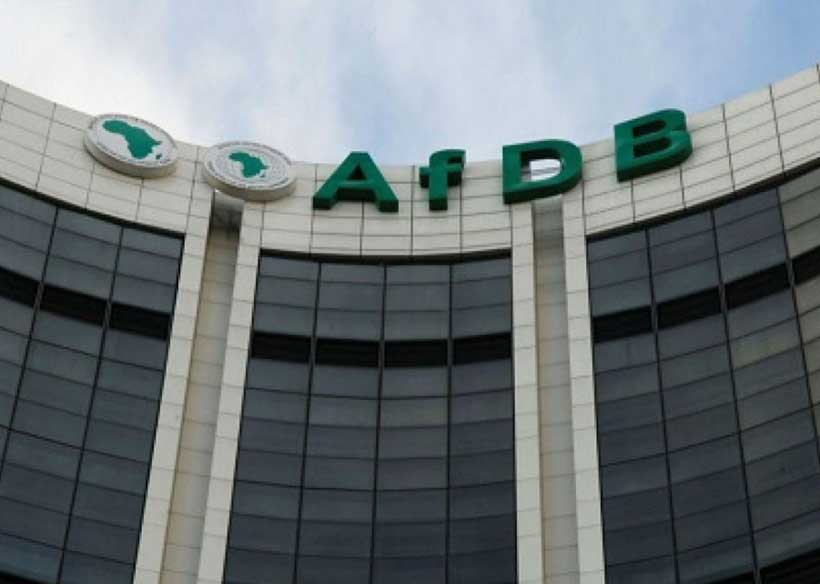
The African Development Bank Group (AfDB) and the Development Bank of the Central African States (BDEAC) have taken a significant step toward strengthening economic development across Central Africa by signing a new letter of intent aimed at expanding financial cooperation and increasing investment capacity within the region.
The agreement was signed on 28 May in Brazzaville during the African Development Bank Group’s 2026 Annual Meetings, underscoring a shared commitment to enhancing regional development financing and supporting sustainable economic transformation across member countries.
The partnership reflects growing efforts by African financial institutions to work more closely together in mobilising domestic resources, attracting long-term investment, and addressing the development challenges facing the continent.
Strengthening Central Africa’s Development Financing Capacity
Under the agreement, the African Development Bank Group will explore ways to support BDEAC in strengthening its financial position, improving solvency, and enhancing its ability to mobilise long-term capital.
The objective is to ensure that BDEAC can expand its role as a key development finance institution supporting economic growth, infrastructure development, private sector expansion, and social progress throughout Central Africa.
A stronger financial base will enable the regional bank to increase lending and investment activities while maintaining financial sustainability and resilience in an increasingly complex global economic environment.
The agreement also opens the possibility of establishing a dedicated line of credit from the African Development Bank to BDEAC. Such financing could support high-impact public and private sector projects that contribute to economic growth, job creation, regional integration, and sustainable development.
Supporting the CEMAC Region
BDEAC serves as the development finance institution for the Central African Economic and Monetary Community (CEMAC), one of Africa’s key regional economic blocs.
Established in 1975 and headquartered in Brazzaville, the institution supports development initiatives across six member countries:
-
Cameroon
-
Central African Republic
-
Republic of the Congo
-
Gabon
-
Equatorial Guinea
-
Chad
These countries possess significant natural resources and economic potential, yet continue to face challenges related to infrastructure gaps, industrial development, access to finance, and economic diversification.
The strengthened partnership is expected to provide additional financial tools and technical expertise to help address these challenges and unlock new opportunities for growth.
Advancing Africa’s New Financial Architecture
The cooperation agreement aligns closely with the African Development Bank’s New African Financial Architecture for Development (NAFAD), an ambitious initiative designed to reshape how development financing is mobilised across the continent.
NAFAD seeks to leverage Africa’s estimated US$4 trillion in domestic financial resources while reducing dependence on external funding sources.
The strategy focuses on several key objectives, including:
-
Mobilising African capital for African development.
-
Reducing perceived investment risks.
-
Deepening domestic and regional capital markets.
-
Attracting long-term institutional investment.
-
Enhancing financial integration across the continent.
-
Reducing fragmentation within Africa’s financial ecosystem.
By strengthening regional development finance institutions such as BDEAC, the African Development Bank aims to create a more coordinated and effective financial architecture capable of supporting large-scale development ambitions.
Technical Assistance and Institutional Capacity Building
Beyond financial support, the agreement establishes a framework for extensive technical cooperation between the two institutions.
The African Development Bank is expected to provide expertise and capacity-building support in several critical areas, including project preparation, investment appraisal, and programme monitoring.
Additional areas of collaboration may include:
-
Risk management systems.
-
Environmental, Social and Governance (ESG) standards.
-
Public-private partnership (PPP) development.
-
Climate finance solutions.
-
Governance and institutional strengthening.
-
Compliance and regulatory frameworks.
-
Treasury and financial management operations.
These areas are increasingly important as development finance institutions face growing demands to support sustainable projects while maintaining strong governance and financial discipline.
Enhanced technical capacity will help ensure development projects are effectively designed, implemented, and monitored to maximise their economic and social impact.
Four Cardinal Points Vision Drives New Partnerships
The agreement also reflects the broader strategic direction established by African Development Bank President Dr. Sidi Ould Tah through his “Four Cardinal Points” vision for Africa’s transformation.
The vision emphasises stronger collaboration among African institutions, deeper engagement between public and private sectors, and greater cooperation between African and international investors.
Central to this strategy is the belief that Africa’s development challenges require collective solutions built on partnership, innovation, and shared investment.
By strengthening relationships between regional development banks and continental financial institutions, the African Development Bank hopes to create a more integrated and effective ecosystem for financing development.
From Lender to Catalyst for Investment
A key element of President Ould Tah’s strategy is repositioning the African Development Bank as more than a traditional lender.
The institution aims to become a catalyst for investment by reducing risks, connecting investors with opportunities, and helping transform promising ideas into bankable projects.
This approach recognises that public financing alone cannot meet Africa’s vast infrastructure and development needs. Instead, development finance institutions must play a larger role in attracting private investment and creating conditions that encourage long-term capital flows.
Through partnerships such as the one with BDEAC, the Bank seeks to bridge financing gaps while supporting projects capable of generating sustainable economic returns.
Unlocking New Opportunities for Central Africa
The partnership between the African Development Bank Group and BDEAC represents an important milestone in efforts to strengthen Central Africa’s development financing landscape.
By combining financial resources, technical expertise, and institutional support, both organisations aim to accelerate investment in infrastructure, industry, climate resilience, and private sector development.
As Central African economies seek to diversify, modernise, and create opportunities for growing populations, stronger regional financial institutions will play a crucial role in delivering sustainable and inclusive growth.
The agreement signals a shared commitment to building a stronger, more integrated financial system capable of supporting the region’s long-term development aspirations while contributing to Africa’s broader economic transformation.
- READ MORE ON:
- African Development Bank
- AfDB
- Sidi Ould Tah
- BDEAC
- Central Africa Development
- CEMAC
- Development Finance
- NAFAD
- African Financial Architecture
- Regional Economic Growth
- Infrastructure Investment
- Climate Finance
- Public Private Partnerships
- ESG Standards
- Development Banking
- Africa Investment
- Economic Integration
- Sustainable Development
- Financial Cooperation
- Brazzaville 2026


 Google News