



Global Markets Rattle As Iran-U.S. Tensions Flare
The U.S. dollar fell against the euro amid optimism for a ceasefire between the United States and Iran, spurred by potential peace talks. Meanwhile, fluctuating energy supplies and halted trade routes continue to cause market instability, with major currencies like the yen and sterling reacting to geopolitical tensions.
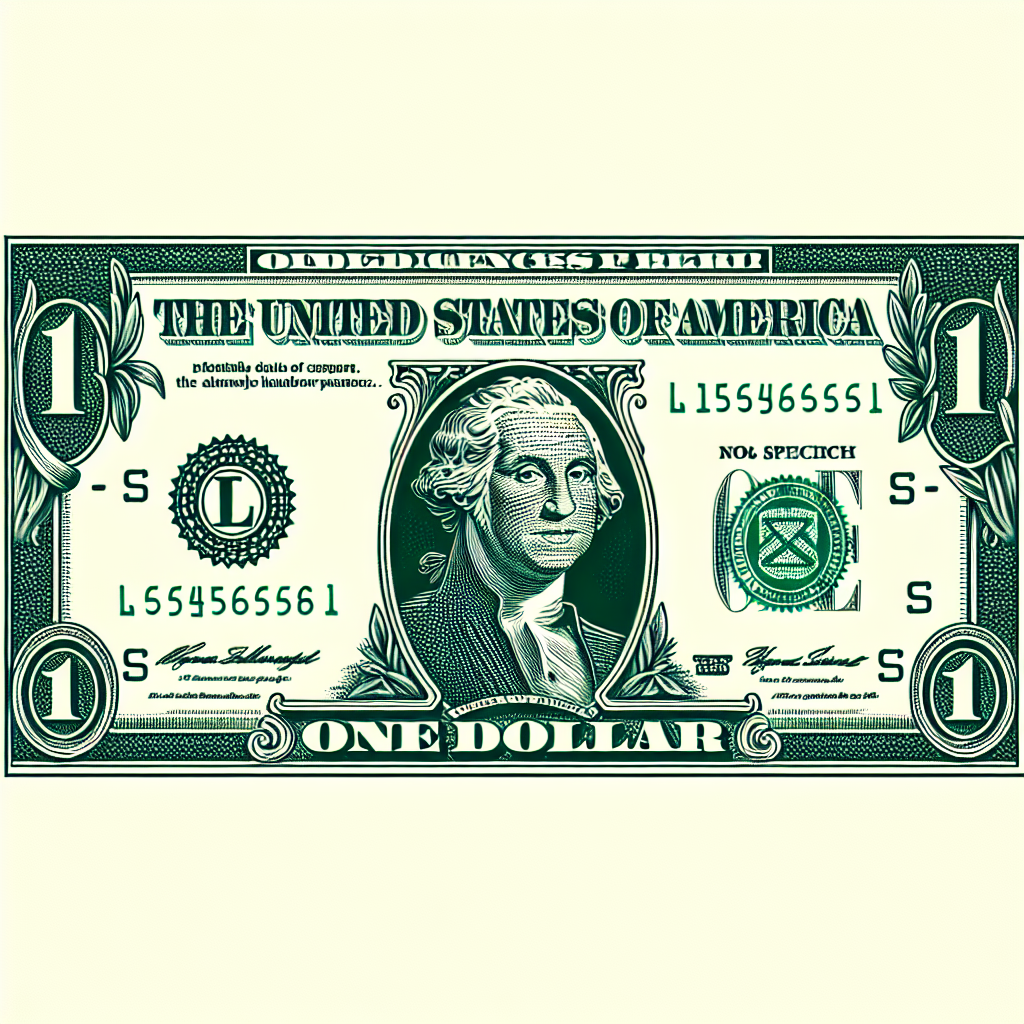
Amid renewed geopolitical tensions between the United States and Iran, the U.S. dollar experienced a decline against the euro on Monday. This drop followed news suggesting optimism for a potential ceasefire deal, despite the ongoing weekend tensions surrounding both nations.
An Iranian senior official has indicated that Iran may attend peace talks with the U.S. in Pakistan, following efforts by Islamabad to alleviate a U.S. blockade of Iranian ports, which has been a significant impediment to Tehran's engagement in peace efforts.
The geopolitical landscape remains volatile as concerns over the Strait of Hormuz, a critical energy corridor, impact global markets. Oil prices surged over 5% as blockades affected trade routes, highlighting the fragility of energy supplies amid the conflict. Meanwhile, markets remain on edge with continued developments from prominent economic and political leaders across the globe.
(With inputs from agencies.)
- READ MORE ON:
- U.S. dollar
- Euro
- Iran
- U.S.
- peace talks
- blockade
- market
- oil prices
- Tensions
- Strait of Hormuz
ALSO READ
Surge in Hybrid Mutual Fund Inflows Amid Market Volatility
Democratic values, market economy and responsible behaviour are part of common approach of India and the Netherlands: PM Modi.
Iran's Stock Market Reopens Amidst Global Tensions
Auto Components Leader Uno Minda Sees Robust Profit Growth Despite Market Challenges
India's Housing Market Stabilizes Amid Rising Prices in 2026


 Google News