



OPEC+ Navigates Turbulent Waters Amid Supply Uncertainty
OPEC+ plans a modest oil output increase, largely symbolic amid disruptions from the U.S.-Iran conflict. This move, while unlikely to affect real production immediately, signals readiness to boost supply post-conflict. Oil prices have soared due to the blockade, fueling concerns over inflation and fuel shortages.
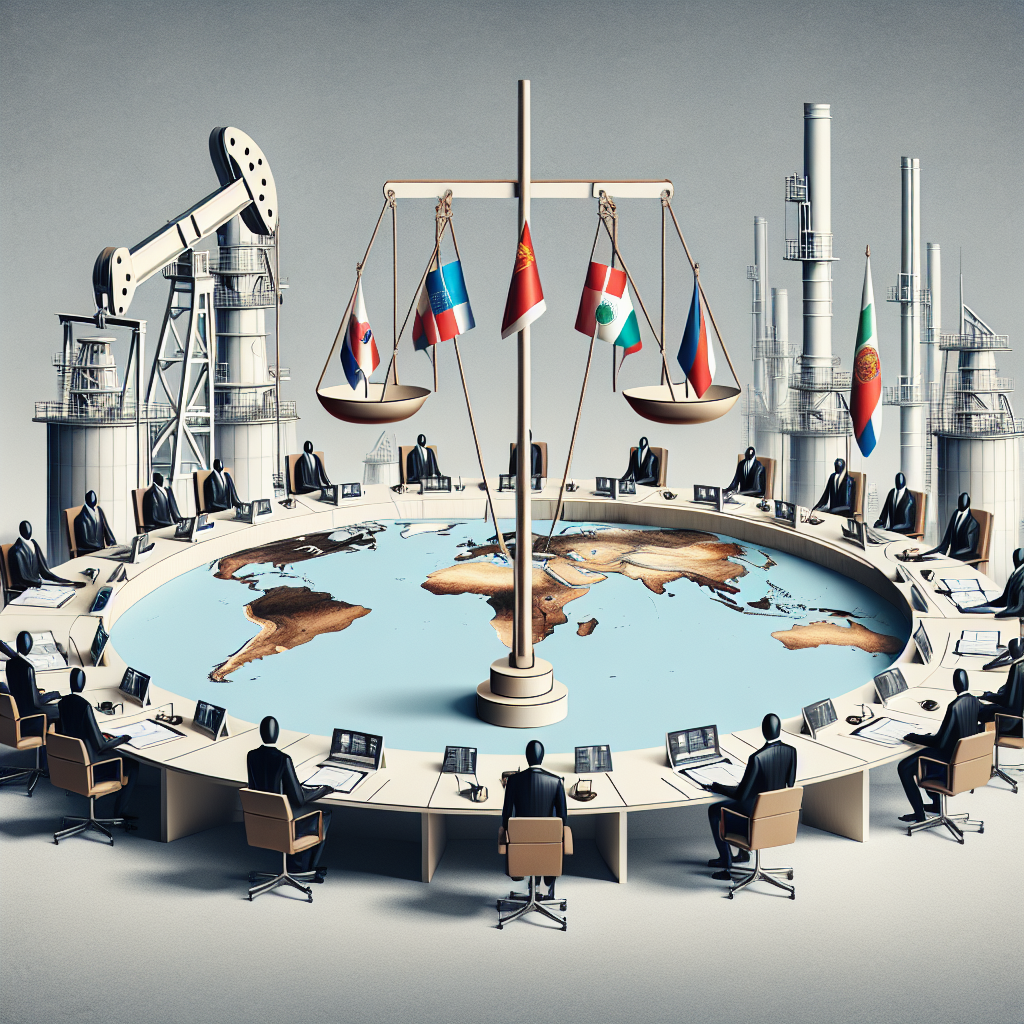
OPEC+ is poised to agree on a modest hike in oil production, but the increase remains theoretical as the U.S.-Iran conflict continues to impede Gulf oil supplies. Seven member states—Saudi Arabia, Iraq, Kuwait, Algeria, Kazakhstan, Russia, and Oman—will collectively raise output targets by around 188,000 barrels per day in June, marking the third successive monthly increment according to insiders and a draft statement.
The production uptick is intended to signal the group's readiness to bolster supplies once hostilities cease. However, the departure of the United Arab Emirates from OPEC+ this week casts a shadow over these plans. While OPEC+ now includes 21 countries, only the seven nations plus the departed UAE have actively engaged in production decisions of late.
Disruptions caused by the conflict have escalated oil prices to over $125 a barrel, sparking fears of looming fuel shortages and global inflation spikes. Output from OPEC+ nations reportedly averaged 35.06 million barrels per day in March, representing a significant drop from February figures, driven largely by reduced exports from Saudi Arabia and Iraq amidst ongoing strife.
(With inputs from agencies.)
ALSO READ
US stocks rally as pressure eases from the bond market and oil prices fall
UPDATE 2-New UAE oil pipeline bypassing Hormuz 50% complete ahead of 2027 start
UPDATE 1-New UAE pipeline bypassing Hormuz now 50% complete, ADNOC CEO says
BRIEF-Humain And Accenture Accelerate AI Adoption At Scale In Saudi Arabia
Huge potential to boost food, beverages exports to UAE: TPCI


 Google News