



The Craving Trap: Inside the Ultra-Processed Food Industry
Ultra-processed foods, which make up a significant portion of packaged food products, are engineered to increase cravings and consumption. Despite numerous health risks, they are heavily marketed and consumed globally. New research uncovers the tactics used by companies to exploit human behavior, urging the need for stricter regulations.
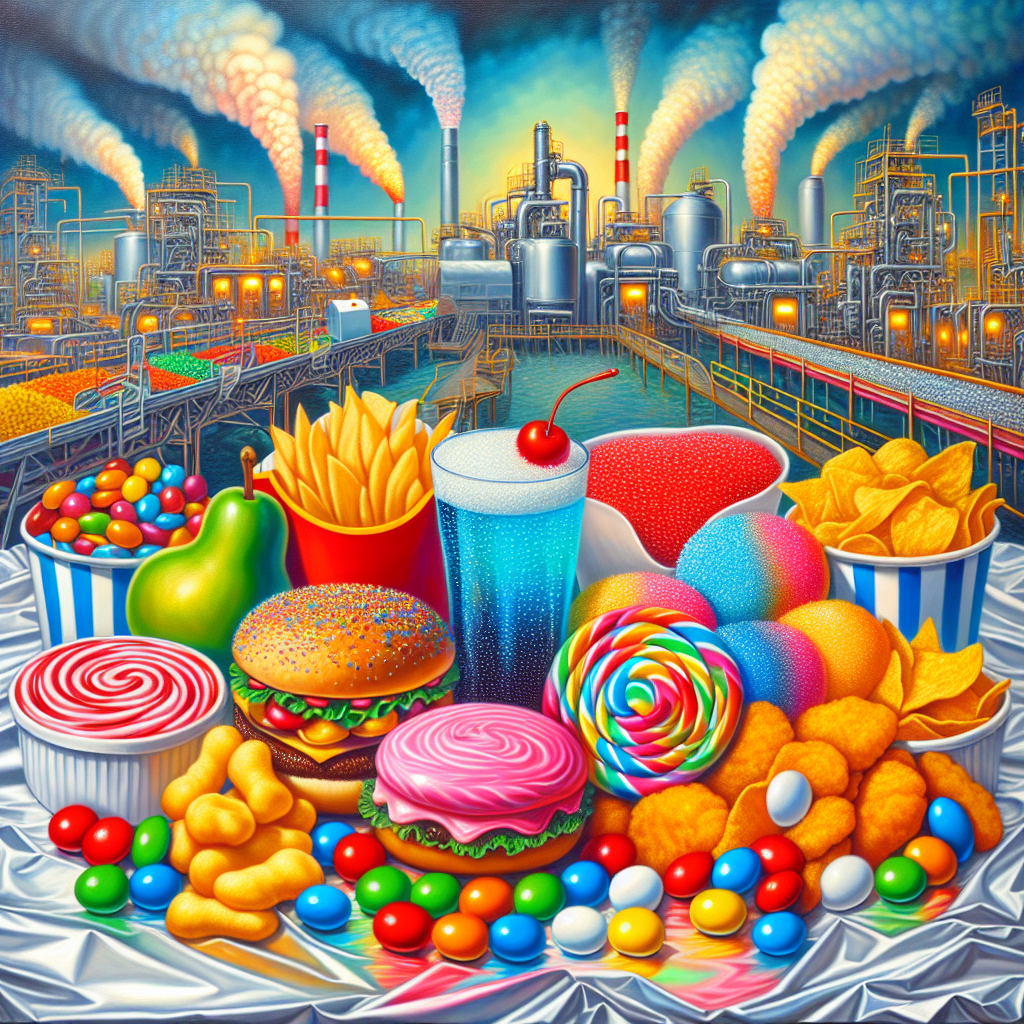
Auckland, May 1 (The Conversation) - The global consumption of ultra-processed foods (UPFs) such as soft drinks, snacks, and ready meals continues to rise, despite clear evidence of their health risks. New research explores how the strategies of UPF companies manipulate consumer behavior to enhance appeal and demand.
UPFs, the most processed foods in the market, comprise about 70% of packaged food products. The study reveals tactics used to boost consumption, exploiting psychological and physiological human responses. This includes feedback loops in marketing and production that make UPFs both desirable and addictive.
Experts urge for strong government policies to counteract the detrimental effects of UPFs. Policy suggestions include taxation, restrictions on advertising, and improved labeling. The rising popularity of UPFs poses a significant health threat worldwide, necessitating urgent regulatory action.
(With inputs from agencies.)
ALSO READ
New Zealand's government plans to cut 14 pc of public sector jobs to slash spending
WHO Honours Four Global Health Leaders for Lifetime Contributions to Public Health
UPDATE 2-New Zealand foreshadows job cuts in tight pre-election budget
UPDATE 1-New Zealand plans to cut public service jobs to save NZ$2.4 billion
Unveiling the Rare Bundibugyo Ebola Strain: A Global Health Concern


 Google News