



WHO Tuberculosis Vaccine Accelerator Council Pushes Efforts to Fast-Track New TB Vaccines
Tuberculosis remains one of the leading infectious disease killers worldwide, claiming more than a million lives each year despite being preventable and treatable.
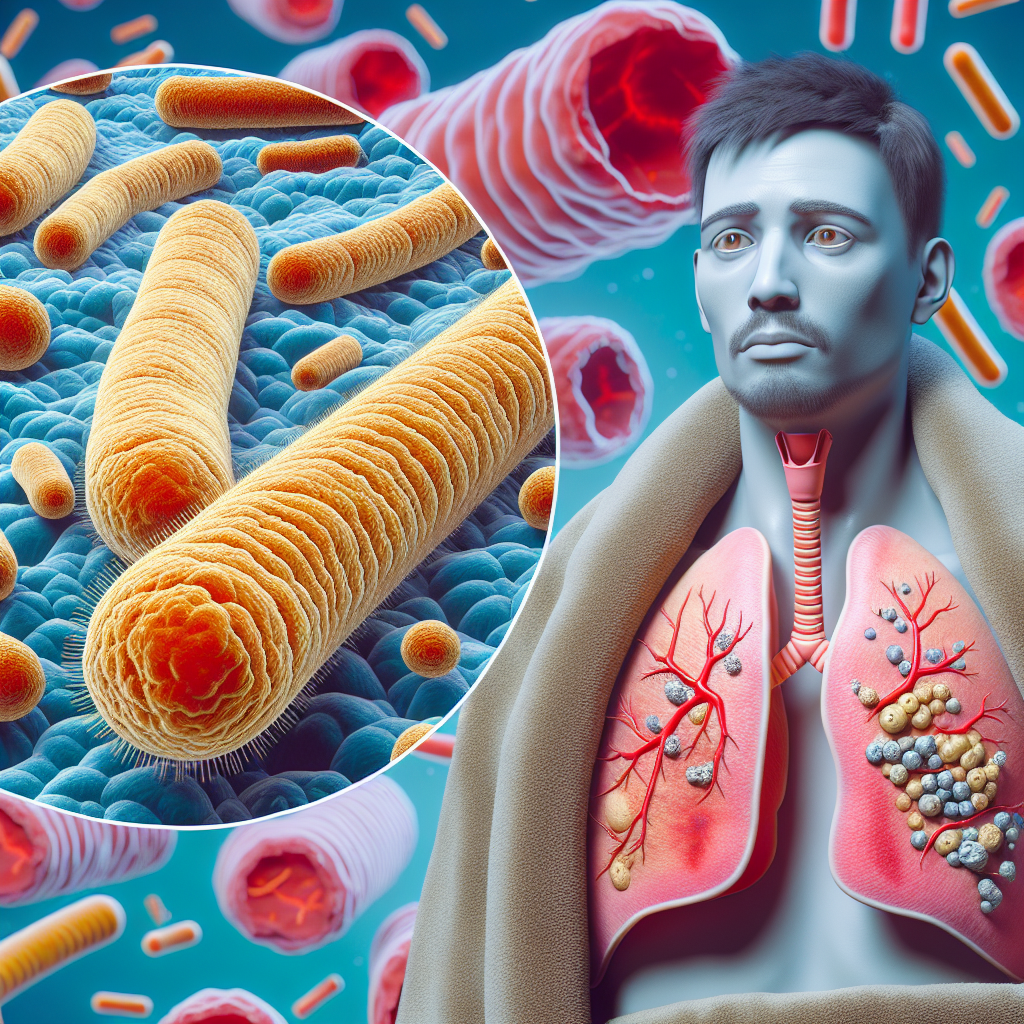
Global leaders, health ministers and international organizations gathered in Geneva on the sidelines of the World Health Assembly to accelerate efforts toward the development, financing and future rollout of new tuberculosis (TB) vaccines. The meeting of the Tuberculosis Vaccine Accelerator Council, established by the World Health Organization (WHO) in 2023, focused on strengthening international coordination and preparing countries for the introduction of next-generation TB vaccines expected later this decade.
Representatives from Brazil, France, Indonesia, Kenya, Pakistan, the Philippines, the Russian Federation and South Africa joined civil society groups, global health agencies and funding organizations in discussions aimed at ending one of the world’s deadliest infectious diseases.
The meeting highlighted growing momentum behind global TB vaccine development as governments and partners work to ensure future vaccines are accessible, affordable and rapidly deployed once efficacy data becomes available.
Global Push to End Tuberculosis Gains Momentum
Tuberculosis remains one of the leading infectious disease killers worldwide, claiming more than a million lives each year despite being preventable and treatable. The disease disproportionately affects low- and middle-income countries, particularly vulnerable populations with limited access to healthcare services.
WHO established the Tuberculosis Vaccine Accelerator Council in 2023 to strengthen political commitment, improve coordination and speed up the development and future distribution of novel TB vaccines for adults and adolescents.
The Council brings together governments, scientific organizations, funding institutions, civil society groups and development partners to overcome long-standing barriers in TB vaccine research, manufacturing and implementation.
Health experts believe an effective adult TB vaccine could become one of the most significant public health breakthroughs in decades, potentially saving millions of lives and dramatically reducing global TB transmission.
Domestic Financing Identified as Key Priority
One of the central themes of the Geneva meeting was the urgent need for stronger domestic financing commitments from countries to support TB vaccine preparedness and long-term sustainability.
Participants stressed that governments must prioritize national investments in healthcare systems, vaccine readiness and public awareness campaigns to ensure rapid access once new vaccines become available.
Delegates emphasized that country ownership will be critical for successful vaccine rollout, particularly in high-burden nations where tuberculosis continues to strain public health systems.
The Council also discussed the importance of advocacy and community engagement in building trust, combating misinformation and ensuring vulnerable populations are reached effectively.
WHO officials noted that strong partnerships with civil society organizations and local communities would be essential to achieving equitable vaccine access and successful immunization campaigns.
Working Groups Advance Vaccine Readiness and Manufacturing Plans
The meeting reviewed progress made by the Council’s three working groups following recommendations adopted during the 2025 Council meeting.
One major development was the establishment of the Working Group on Country Readiness, Advocacy and Community Partnership. The group focuses on helping countries prepare healthcare systems, strengthen vaccine delivery infrastructure and engage communities ahead of future vaccine deployment.
Participants also reviewed ongoing efforts to expand domestic financing and regionally diversified manufacturing of novel TB vaccines. Increasing regional vaccine production capacity is seen as critical for improving global supply security and avoiding inequalities experienced during previous global health emergencies.
Health leaders stressed that geographically diversified manufacturing would help ensure more equitable access for low- and middle-income countries while strengthening long-term sustainability.
Another important area of discussion involved evaluating the broader public health impact of future TB vaccines within integrated healthcare systems. Experts highlighted the need to combine vaccination efforts with improved TB prevention, diagnosis, treatment and patient care strategies.
WHO Forum Strengthens Global Collaboration
The Council meeting built upon the momentum generated during the first TB Vaccine Accelerator Forum hosted by WHO in Geneva from 27–28 April.
The forum brought together global and regional health leaders, vaccine developers, TB advocates, donors and research institutions to reinforce the urgent public health need for new TB vaccines.
Discussions focused on scientific progress, funding requirements, manufacturing challenges and strategies for ensuring rapid and equitable access once vaccines are approved.
The forum also encouraged deeper collaboration across the Council’s working groups and strengthened partnerships between governments, researchers and global health organizations.
Major international partners involved in the process include the Gates Foundation, World Bank, Gavi, the Global Fund, Unitaid, Wellcome Trust and the Stop TB Partnership.
New TB Vaccine Data Expected by 2028
A major source of optimism discussed during the meeting was the continued progress of several TB vaccine candidates currently under development.
According to WHO, efficacy data for new adult and adolescent TB vaccines remains on track to become available in 2028. If successful, these vaccines could become the first major breakthrough in TB prevention in over a century.
The only currently available TB vaccine, Bacille Calmette-Guérin (BCG), has been in use for more than 100 years and provides limited protection, particularly in adults.
Scientists believe that next-generation vaccines targeting adolescents and adults could dramatically reduce TB transmission rates and accelerate progress toward global elimination goals.
However, WHO warned that scientific success alone will not be enough. Countries must begin preparing now to ensure regulatory readiness, financing mechanisms, manufacturing capacity and healthcare delivery systems are in place well before vaccine approval.
Tuberculosis Continues to Pose Major Global Health Threat
Despite advances in medicine, tuberculosis remains a serious global health challenge, particularly in developing nations. Factors such as poverty, malnutrition, overcrowding and limited healthcare access continue to fuel transmission.
The rise of drug-resistant TB strains has further complicated global control efforts, increasing treatment costs and reducing success rates in many countries.
Public health experts say the COVID-19 pandemic also disrupted TB diagnosis and treatment services worldwide, reversing years of progress in some regions.
As a result, global health agencies are increasingly prioritizing innovation, vaccine development and integrated public health strategies to accelerate TB elimination efforts.
International Cooperation Seen as Essential
The Geneva meeting underscored the growing recognition that international cooperation will be essential to achieving global TB targets.
Participants stressed that successful vaccine rollout will require coordinated political leadership, sustained investment and close collaboration between governments, researchers, manufacturers and community organizations.
WHO leaders emphasized that the next few years will be critical for ensuring the world is fully prepared once vaccine efficacy results are confirmed.
The Tuberculosis Vaccine Accelerator Council is expected to continue playing a central role in coordinating global preparedness efforts, mobilizing resources and ensuring equitable access to future vaccines.
As the world moves closer to a potential breakthrough in TB prevention, health officials believe strong preparation today could save millions of lives in the years ahead.
- READ MORE ON:
- WHO
- Tuberculosis
- TB Vaccine
- Tuberculosis Vaccine Accelerator Council
- World Health Assembly
- Global Health
- TB Prevention
- Vaccine Development
- Public Health
- WHO Geneva
- TB Vaccines 2028
- Stop TB Partnership
- Gavi
- Gates Foundation
- World Bank
- Global Fund
- Vaccine Equity
- Infectious Diseases
- Healthcare Access
- TB Elimination


 Google News