



WHO Declares Ebola Outbreak in DR Congo and Uganda a Global Health Emergency
Following the declaration, WHO Director-General Dr Tedros Adhanom Ghebreyesus convened the first meeting of the IHR Emergency Committee on 19 May 2026 to review the evolving outbreak situation.
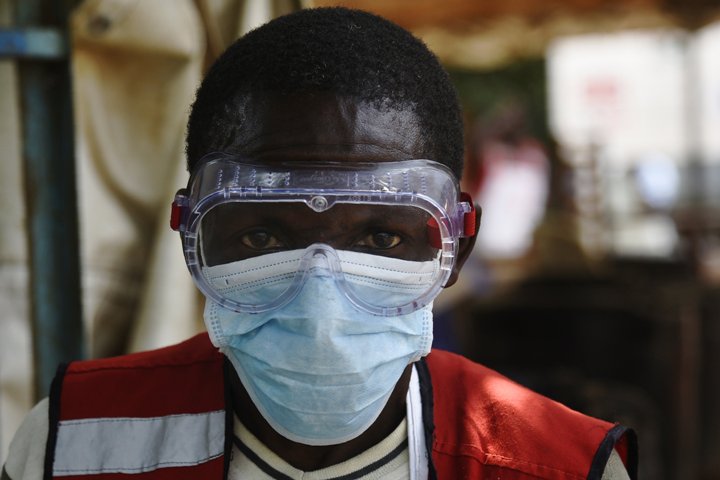
The World Health Organization (WHO) has officially declared the ongoing Ebola outbreak caused by the Bundibugyo virus in the Democratic Republic of the Congo (DRC) and Uganda a Public Health Emergency of International Concern (PHEIC), warning that the epidemic is unfolding in one of the world’s most difficult humanitarian and operational environments.
The declaration was made on 17 May 2026 under the International Health Regulations (IHR 2005) after consultations with affected countries and global health experts. However, WHO clarified that the outbreak does not currently meet the criteria for a “pandemic emergency.”
The announcement signals growing international concern over the spread of the virus and the severe challenges facing health authorities in controlling transmission across fragile border regions.
WHO Emergency Committee Issues Global Recommendations
Following the declaration, WHO Director-General Dr Tedros Adhanom Ghebreyesus convened the first meeting of the IHR Emergency Committee on 19 May 2026 to review the evolving outbreak situation.
The committee agreed that the epidemic constitutes a serious international public health emergency and called for urgent coordinated action by governments worldwide.
WHO subsequently issued extensive temporary recommendations for all member states, with different levels of preparedness and response depending on their proximity and risk exposure to the outbreak.
The organization stressed that all measures must fully respect human rights, dignity, and fundamental freedoms while protecting public health.
Bundibugyo Virus Poses Unique Challenges
The current outbreak is caused by the Bundibugyo virus (BDBV), a species of the Ebola virus family belonging to the Orthoebolavirus genus.
Unlike the more widely known Ebola virus strain responsible for previous major outbreaks, there are currently no approved vaccines or therapeutics specifically available for Bundibugyo virus disease (BVD).
WHO officials noted that while candidate vaccines and treatments are being fast-tracked for clinical trials, controlling the outbreak currently depends almost entirely on traditional public health measures including:
-
Early case detection
-
Isolation and treatment
-
Contact tracing
-
Safe burials
-
Infection prevention and control
-
Community engagement
The lack of approved medical countermeasures significantly increases the importance of rapid emergency response systems.
Situation in DR Congo and Uganda
As of 22 May 2026, WHO assessed the risk level as “Very High” in the Democratic Republic of the Congo and “High” in Uganda.
The epidemiological situations in the two countries differ considerably.
The DRC continues to face active transmission in a highly complex environment already affected by armed conflict, humanitarian crises, displacement, and weak health infrastructure.
Uganda, meanwhile, had reported two confirmed cases linked to areas in eastern DRC with documented virus transmission. WHO stated that, as of 22 May, no onward transmission among identified contacts had been recorded in Uganda.
WHO Calls for Emergency Coordination and Surveillance
WHO urged affected countries to immediately activate national emergency management systems and establish emergency operations centres coordinated at the highest levels of government.
Authorities were advised to strengthen:
-
Surveillance systems
-
Contact tracing
-
Laboratory testing
-
Community monitoring
-
Emergency healthcare facilities
-
Safe burial teams
-
Infection prevention systems
WHO recommended maintaining updated lists of suspected and confirmed cases as well as close monitoring of all identified contacts for 21 days after exposure.
The organization also emphasized the need for rapid investigation of alerts and unexplained illnesses within 24 hours.
Community Trust Seen as Essential
WHO highlighted community engagement as one of the most critical factors in controlling the outbreak.
Health officials stressed that local populations must understand the reasons behind public health measures such as isolation, contact monitoring, and safe burial practices.
The organization urged governments to work closely with:
-
Religious leaders
-
Traditional leaders
-
Community health workers
-
Local volunteers
-
Traditional healers
WHO warned that misinformation, mistrust, and fear could severely undermine outbreak control efforts if communities are not properly engaged.
The agency also called for psychosocial, financial, and food support for families affected by movement restrictions and quarantine measures.
Hospitals Ordered to Strengthen Infection Control
WHO warned that healthcare facilities remain high-risk environments for Ebola transmission if strict infection prevention measures are not enforced.
The organization instructed affected countries to improve:
-
Health worker training
-
PPE supply systems
-
Triage protocols
-
Laboratory biosafety
-
Medical waste disposal
-
Occupational exposure reporting
WHO also noted that the commonly used GeneXpert testing platform cannot detect Bundibugyo virus, making the rapid expansion of RT-PCR testing capacity essential.
Dedicated Ebola treatment centres with trained staff and intensive supportive care were also recommended near outbreak areas.
International Travel Restrictions Not Recommended
Despite the global health emergency declaration, WHO advised against suspending flights or closing borders with affected countries.
Instead, the organization recommended enhanced screening and surveillance measures at airports, ports, and land crossings.
Travelers leaving affected regions should undergo:
-
Temperature checks
-
Exposure questionnaires
-
Risk assessments
Suspected or confirmed cases, as well as close contacts, should not travel internationally unless medically evacuated under controlled conditions.
WHO also urged neighbouring countries to strengthen border surveillance, emergency preparedness, and cross-border information sharing.
Research and Vaccine Development Accelerated
WHO called on governments, researchers, and international institutions to urgently accelerate clinical trials for Bundibugyo virus vaccines and therapeutics.
The organization emphasized the need for:
-
Fast-track regulatory approvals
-
Ethical review systems
-
Data sharing
-
Community engagement
-
Pharmacovigilance systems
-
Equitable access arrangements
WHO also requested head-to-head studies comparing existing PCR diagnostic platforms to improve testing reliability in outbreak settings.
Global Preparedness Urged
Although the immediate global risk outside the region remains classified as “Low,” WHO urged all countries to prepare for possible imported cases.
Governments worldwide were advised to establish systems capable of identifying travelers with unexplained fever arriving from outbreak zones and to prepare isolation facilities, testing systems, and emergency response protocols.
WHO stressed that global vigilance remains essential because Ebola outbreaks can spread rapidly if not contained early.
As health authorities race to contain the Bundibugyo virus outbreak, the success of the response will depend heavily on rapid international cooperation, strong community trust, effective public health systems, and accelerated scientific research.
- READ MORE ON:
- WHO
- Ebola outbreak
- Bundibugyo virus
- Democratic Republic of Congo
- Uganda Ebola
- Public Health Emergency of International Concern
- WHO emergency committee
- Ebola response
- global health emergency
- infectious diseases
- WHO recommendations
- Ebola surveillance
- outbreak preparedness
- international health regulations
- Ebola virus disease


 Google News