



NZ Moves Toward AI-Powered Breast Screening to Improve Early Cancer Detection
Mr Brown said breast cancer remains the most commonly diagnosed cancer among women in New Zealand, making early diagnosis critical for improving survival rates and treatment success.
- Country:
- New Zealand
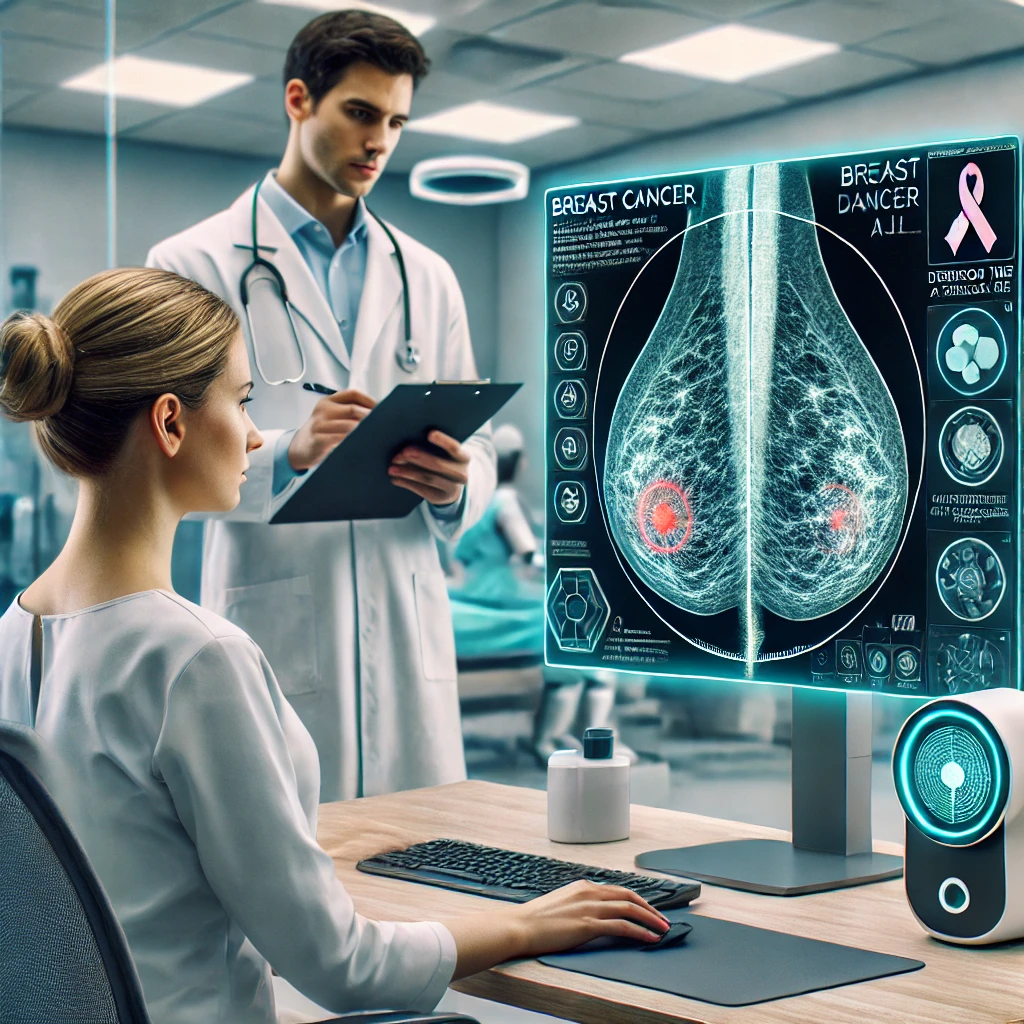
The Government has announced the next phase in introducing artificial intelligence (AI) into New Zealand’s national breast screening programme, with Health Minister Simeon Brown saying the technology could help detect cancers earlier and improve outcomes for women.
The move marks a significant step toward modernising BreastScreen Aotearoa as health authorities prepare to test and validate AI-assisted mammogram reading technology ahead of a potential nationwide rollout from early 2027.
AI to Support Earlier Breast Cancer Detection
Mr Brown said breast cancer remains the most commonly diagnosed cancer among women in New Zealand, making early diagnosis critical for improving survival rates and treatment success.
“Breast cancer is the most commonly diagnosed cancer among women in New Zealand, but we know that early detection significantly improves survival rates and treatment outcomes,” he said.
“AI has real potential to strengthen our breast screening programme, supporting earlier detection, helping our workforce manage growing demand, and delivering better results for women.”
Around 3,400 women are diagnosed with breast cancer in New Zealand each year. Approximately 270,000 women aged between 45 and 69 currently undergo screening annually through BreastScreen Aotearoa, with the programme’s age eligibility now being gradually extended to include women up to 74 years old.
Procurement Process Underway
Health New Zealand has begun the procurement process to select a preferred AI mammogram-reading system for testing and validation.
According to Mr Brown, organisations specialising in AI-assisted imaging technology were invited earlier this year to demonstrate how their systems could be safely integrated into New Zealand’s screening programme.
“Health New Zealand is taking a careful, evidence-based approach to introducing AI into screening,” he said.
“Earlier this year, organisations with expertise in AI image-reading technology were invited to demonstrate how these tools could be safely and effectively integrated into our national programme.”
“Procurement is now underway to select a preferred AI mammogram reading tool for testing and validation, ahead of a planned rollout from early 2027.”
AI to Assist, Not Replace, Clinicians
Under the proposed system, AI technology would undertake one of the two independent mammogram reads currently required during breast screening assessments.
Officials say this could help ease workforce pressures while maintaining strong clinical oversight and patient safety standards.
“Importantly, AI will support, not replace, our skilled clinicians. Every diagnosis and follow-up decision will continue to include qualified health professionals,” Mr Brown said.
The Government emphasised that clinicians, radiologists, and screening specialists would remain central to all medical decisions throughout the screening and diagnostic process.
International Evidence Shows Promising Results
International research into AI-assisted mammography has shown promising outcomes, with studies suggesting the technology can improve cancer detection rates and help identify cancers that may otherwise be missed during routine screening.
Some studies have also found AI systems can reduce interval cancers — cancers detected between scheduled screening rounds — by identifying subtle abnormalities earlier.
“As demand for breast screening continues to grow, we need to ensure we are making full use of safe, proven technology to support timely, accurate results for women,” Mr Brown said.
Building the Future of Breast Screening
Health New Zealand will continue consulting with clinicians, radiologists, screening providers, and other stakeholders as testing and validation work progresses.
The Government says the long-term aim is to strengthen screening capability while improving patient outcomes and ensuring the programme can manage increasing demand.
“This is about building the future of breast screening in New Zealand, ensuring more cancers are found earlier, when they are most treatable, and giving more women the best possible chance of a positive outcome,” Mr Brown said.
The planned rollout from 2027 would place New Zealand among a growing number of countries adopting AI-assisted healthcare technologies to support cancer screening and diagnostic services.


 Google News