



NZ and Australia Step Up Economic Coordination Amid Global Fuel Crisis
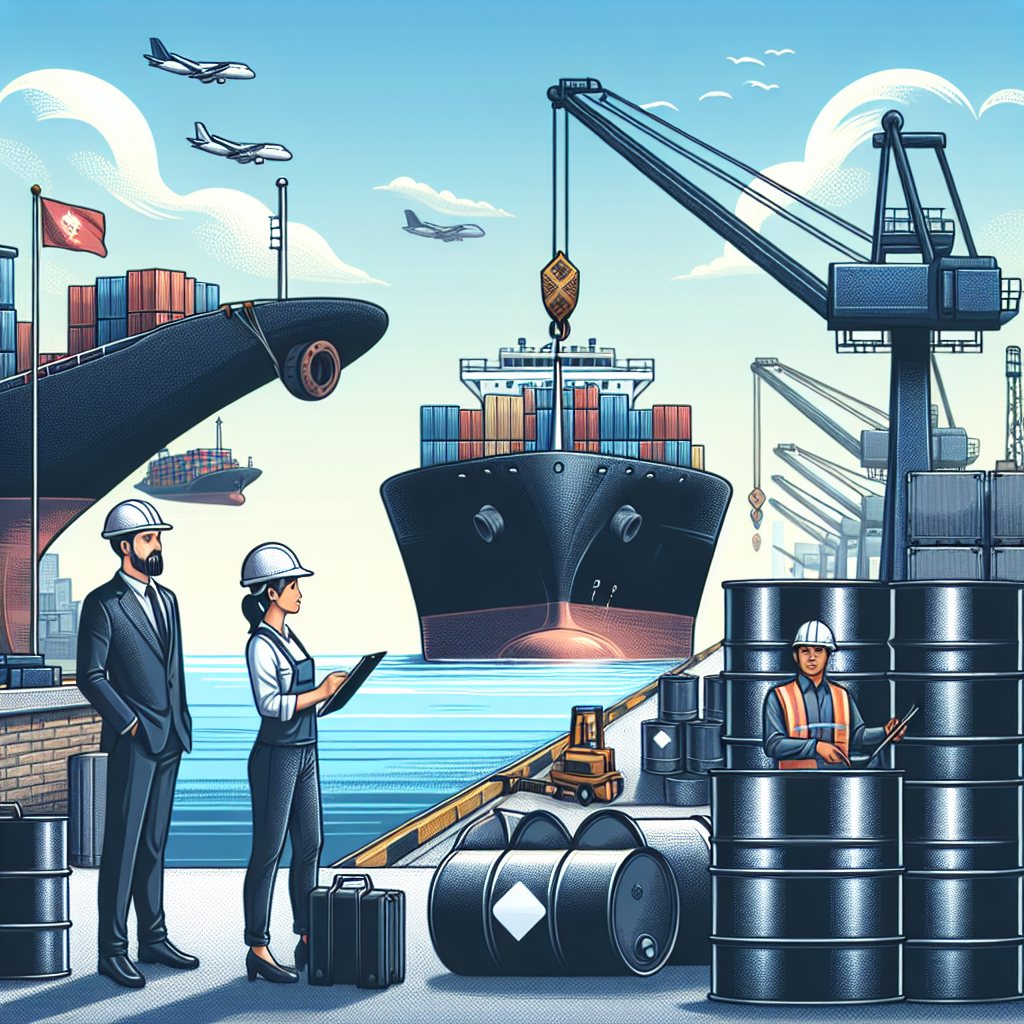
The high-level meeting comes as economies across the Indo-Pacific grapple with fuel supply disruptions and escalating price pressures triggered by ongoing conflict in the Middle East.
- Country:
- New Zealand
In a timely and strategically significant engagement, New Zealand’s Minister of Finance Nicola Willis met Australian Treasurer Jim Chalmers in Brisbane for the annual Australia–New Zealand Treasurer and Finance Minister Dialogue, reinforcing one of the world’s closest economic partnerships at a moment of growing global instability.
The high-level meeting comes as economies across the Indo-Pacific grapple with fuel supply disruptions and escalating price pressures triggered by the ongoing conflict in the Middle East. With global oil markets experiencing volatility and supply chains facing renewed strain, both nations are moving to shield their economies and households from external shocks.
“New Zealand and Australia are working closely together to manage the impacts of global events on our economies and on household budgets,” Nicola Willis said, highlighting the urgency of coordinated action.
Fuel Security and Economic Stability at the Forefront
A central focus of the dialogue was the need to strengthen fuel security and maintain stable supply chains. Ministers reviewed current fuel market conditions, acknowledging that disruptions in global shipping routes and refining capacity have increased risks for import-dependent economies like New Zealand and Australia.
Both sides agreed to deepen coordination between officials, with ongoing engagement on fuel availability, price movements, and logistics challenges. The discussions also extended to financial system resilience, with a shared commitment to ensure banks, markets, and regulatory agencies are well-prepared to respond to sudden geopolitical or economic shocks.
This proactive coordination reflects lessons learned from recent global crises, including the COVID-19 pandemic and energy market shocks following geopolitical conflicts, which exposed vulnerabilities in supply chains and financial systems worldwide.
Targeted Policy Response to Protect Households
Amid rising inflationary pressures, Minister Willis emphasized the importance of disciplined and carefully calibrated policy responses.
“Families and businesses expect governments to be practical and focused during periods of disruption. That means measured responses that are timely, temporary and targeted, rather than policies that add to inflation or create long-term fiscal costs,” she said.
This approach aligns with broader economic strategies in both countries, where policymakers are balancing the need to provide relief with the imperative to avoid fuelling further inflation or increasing public debt burdens.
Supporting Pacific Economies Under Strain
The ministers also turned their attention to the Pacific region, where smaller economies are disproportionately affected by rising fuel and freight costs. Many Pacific Island nations rely heavily on imports, making them particularly vulnerable to global price shocks.
Recognizing this, New Zealand and Australia reaffirmed their commitment to working with international partners such as the World Bank and the Asian Development Bank to deliver targeted assistance. The emphasis will be on ensuring that support reaches the most affected communities and sectors, maximizing its effectiveness during a period of constrained resources.
Advancing Trans-Tasman Economic Integration
Beyond immediate challenges, the dialogue underscored a shared vision for long-term growth through deeper economic integration. Both ministers welcomed continued progress under the Single Economic Market (SEM) agenda, a framework designed to reduce regulatory barriers and enhance cross-border business opportunities.
New initiatives under discussion include simplifying compliance processes for businesses operating across both countries, improving mutual recognition of standards and qualifications, and enhancing digital trade infrastructure. These measures are expected to boost trade, attract investment, and improve productivity across the region.
“New Zealand and Australia have one of the closest economic relationships in the world. Stronger integration means greater resilience during global shocks, more trade, more investment, and more opportunities for businesses and workers in both countries,” Willis noted.
Engagement with Business Leaders and Regional Stakeholders
As part of her visit, Minister Willis also joined Treasurer Chalmers in a business roundtable hosted by the Australia New Zealand Leadership Forum (ANZLF). The session brought together key industry leaders to discuss practical challenges and opportunities in the current economic climate, including supply chain resilience, energy transition, and regional trade expansion.
Such engagements are increasingly seen as critical to aligning government policy with real-world business needs, particularly during periods of rapid economic change.
Strengthening Ties Beyond Economics
The visit also carries symbolic importance, with Minister Willis set to join Treasurer Chalmers at Anzac Day commemorations in Logan City. The event reflects the enduring historical and cultural bonds between the two nations, which continue to underpin their strong economic relationship.
A Unified Approach to Uncertain Times
As global uncertainty intensifies, the Brisbane dialogue signals a clear commitment by New Zealand and Australia to act in concert—prioritizing stability, resilience, and sustainable growth. By combining immediate crisis management with long-term integration efforts, both countries are positioning themselves to navigate current challenges while strengthening their shared economic future.


 Google News