



SA Calls for Shift from Policy to Action as It Leads SADC Amid Global Uncertainty
“The SADC region is not constrained by a lack of frameworks, vision or institutional architecture. The core challenge is implementation,” Lamola stated.
- Country:
- South Africa
South Africa has called for a decisive pivot from policy formulation to effective implementation as it prepares to steer the Southern African Development Community (SADC) through a period of heightened global uncertainty.
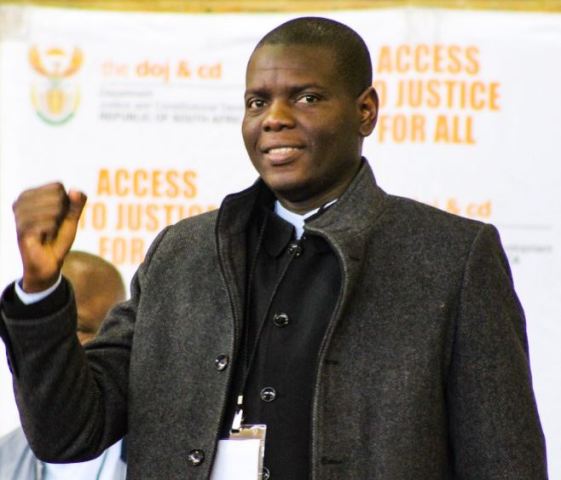
International Relations and Cooperation Minister Ronald Lamola, addressing the closing session of a high-level interdepartmental workshop on the Regional Indicative Strategic Development Plan (RISDP) 2020–2030, emphasized that the region’s primary challenge is no longer the absence of frameworks, but the inability to execute them effectively.
“The SADC region is not constrained by a lack of frameworks, vision or institutional architecture. The core challenge is implementation,” Lamola stated.
Critical Juncture for Regional Leadership
The workshop, held at the O.R. Tambo Building in Pretoria and supported by the European Union and the SADC Secretariat, brought together senior officials, state-owned enterprises, and development finance institutions to outline priorities for South Africa’s chairship.
South Africa, currently serving as interim Chair of SADC until August 2026, is expected to assume full leadership until August 2027, placing it at the centre of regional coordination during a complex geopolitical phase.
Implementation Gap: RISDP Progress at Just Over 60%
Lamola revealed that implementation of the RISDP stands at just over 60%, despite comprehensive policy frameworks already in place.
Discussions during the workshop focused on:
-
Evaluating current performance
-
Identifying structural constraints
-
Aligning regional plans with South Africa’s National Development Plan (NDP) 2030 and Medium-Term Development Plan (MTDP)
He stressed the need for a shift toward:
-
Disciplined execution
-
Focused, high-impact priorities
-
Practical, measurable outcomes
Global Pressures and Regional Vulnerabilities
Lamola warned that South Africa’s leadership comes at a time of significant global instability, with geopolitical tensions and economic disruptions posing risks to regional progress.
“We cannot afford to be passive observers while global shifts threaten gains in trade, security, and international cooperation,” he said.
Key challenges facing the SADC region include:
-
Slow domestication of regional protocols
-
Weak enforcement mechanisms
-
Heavy reliance on external financing
-
Climate vulnerability and rising debt
-
Exposure to global economic shocks
Trade and Industrialisation Remain Weak
Despite ongoing integration efforts, intra-regional trade remains limited:
-
Only 19% to 23% of total trade occurs within the region
-
Manufacturing contributes just over 12% to regional GDP
Lamola emphasized that these indicators must guide policy prioritisation and economic strategy during South Africa’s tenure.
Public Awareness Gap Undermining Integration
A major concern highlighted was the low level of public awareness regarding regional and continental initiatives.
Citing Afrobarometer data:
-
Only 12% of South Africans are aware of the African Continental Free Trade Area (AfCFTA)
-
Over 80% remain unaware of one of Africa’s most significant economic integration projects
At the same time, public sentiment shows potential:
-
Six in ten South Africans support easier trade with other countries
Lamola stressed that bridging this awareness gap is essential to building public trust and support for regional integration.
Strong Warning Against Anti-Migrant Violence
The Minister also condemned recent incidents of violence and intimidation targeting migrant communities, warning that such actions threaten democratic values and regional unity.
“Acts of lawlessness and violence against migrants have no place in our constitutional democracy,” he said.
He emphasized that social cohesion and respect for human rights are fundamental to sustaining regional cooperation.
A Call for Practical, Results-Oriented Leadership
Looking ahead, Lamola urged policymakers to focus on two critical priorities:
-
Building public confidence in regional integration
-
Navigating an increasingly uncertain global environment
He described South Africa’s upcoming leadership role as both a responsibility and an opportunity to reshape regional integration with a stronger focus on implementation.
“We must move from commitments to action, ensuring that integration is practical, responsive, and delivers tangible results,” he concluded.
As SADC enters a crucial phase of its development agenda, South Africa’s emphasis on execution, accountability, and public engagement could prove decisive in unlocking the region’s economic potential and strengthening its position in a rapidly evolving global order.


 Google News