



WHO Launches Global Health Inequality Profiles Covering 195 Countries for Data-Driven Health Equity
WHO officials say the initiative is intended to strengthen evidence-based policymaking and support efforts to reduce widening global health inequalities.
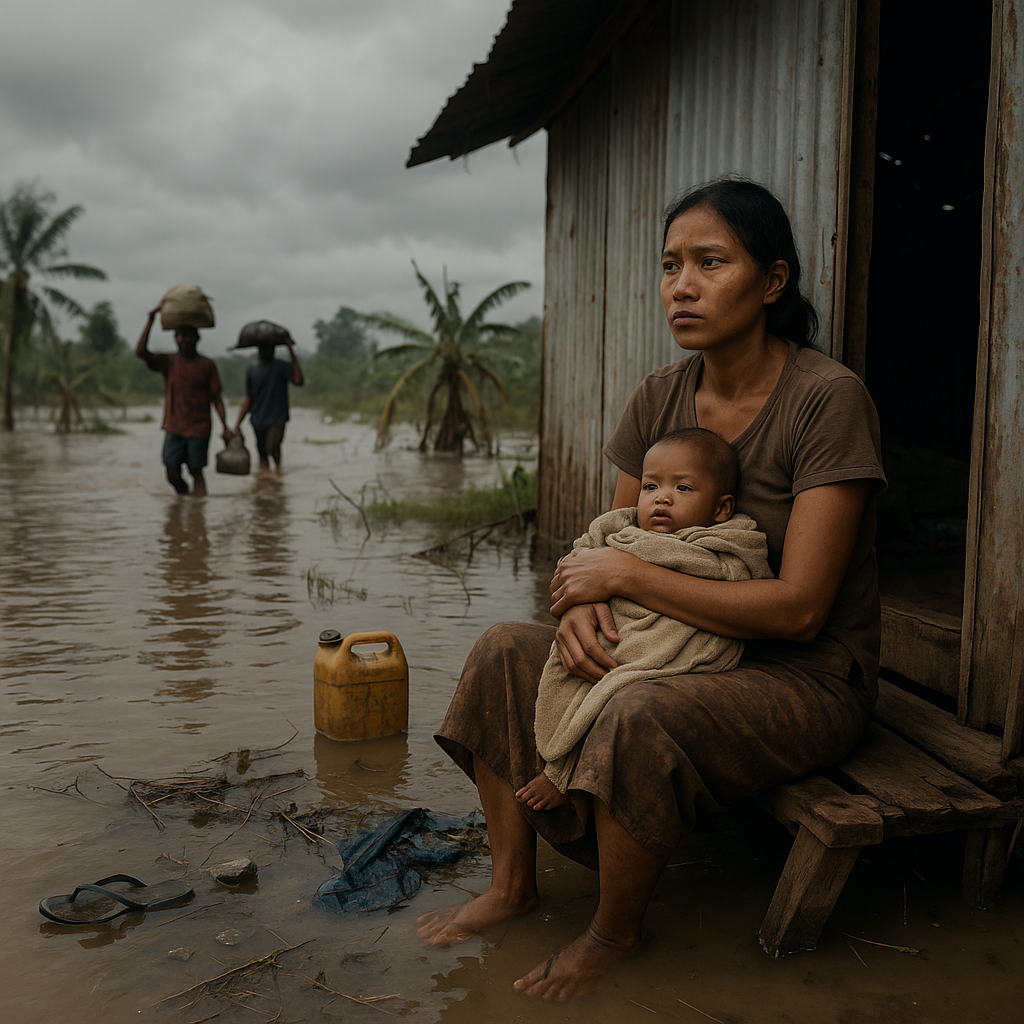
The World Health Organization (WHO) has unveiled a major new global health data platform featuring interactive country-by-country inequality profiles designed to help governments identify deep disparities in health outcomes, healthcare access and social determinants of health.
The new health inequality country profiles provide one of the most comprehensive global snapshots ever assembled of how health outcomes vary across populations based on factors such as income, gender, education, age and geographic location.
WHO officials say the initiative is intended to strengthen evidence-based policymaking and support efforts to reduce widening global health inequalities.
New Platform Tracks Progress Toward WHO’s “Triple Billion” Goals
The profiles are built around the WHO’s Fourteenth General Programme of Work (GPW 14), the organization’s principal global health strategy focused on improving health equity and strengthening resilience worldwide.
GPW 14 aims to achieve the WHO’s ambitious “triple billion” targets by ensuring:
-
6 billion people enjoy healthier lives
-
5 billion people benefit from universal health coverage without financial hardship
-
7 billion people are protected from health emergencies
The programme seeks to address not only health outcomes themselves, but also the structural inequalities that shape who receives healthcare, who experiences disease burdens and who remains vulnerable during crises.
Massive Global Dataset Covers 195 Countries
The newly launched profiles provide inequality data for:
-
195 countries, areas and territories
-
Covering:
-
45 key health outcome indicators
-
Healthy life expectancy
-
Multiple dimensions of inequality
-
The data draw from 11 publicly available sources within the WHO Health Inequality Data Repository.
WHO says the profiles allow users to examine how health indicators differ across population subgroups based on:
-
Age
-
Sex
-
Economic status
-
Education level
-
Place of residence
The platform focuses on 67 GPW 14 indicators that can be disaggregated by inequality dimensions, although 45 indicators or suitable proxy measures are currently included in the country profiles.
Wide Range of Health Issues Included
The profiles cover a broad range of global health priorities, including:
Universal Health Coverage
-
Access to healthcare services
-
Financial protection
-
Coverage gaps
Noncommunicable Diseases
-
Cardiovascular disease
-
Diabetes
-
Cancer
-
Chronic illnesses
Communicable Diseases
-
Infectious disease burdens
-
Vaccination coverage
-
Epidemic vulnerabilities
Maternal and Child Health
-
Reproductive health
-
Maternal mortality
-
Child survival
-
Adolescent health
Health Emergencies
-
Emergency preparedness
-
Crisis resilience
-
Pandemic-related indicators
Social Determinants of Health
-
Living conditions
-
Education
-
Income-related disparities
Officials say the platform is designed to help countries identify which groups are being left behind and where targeted interventions are most urgently needed.
Interactive Features Designed for Policymakers and Researchers
WHO says the platform has been built with interactive functionality allowing users to:
-
Tailor data displays
-
Compare subgroups visually
-
Generate custom graphics
-
Download complete country datasets
-
Access technical metadata and notes
The profiles are available on both desktop and mobile devices and are designed for use by:
-
Governments
-
Public health agencies
-
Researchers
-
Civil society organizations
-
International development partners
The system also provides time-trend data where available, enabling users to track whether health inequalities are widening or narrowing over time.
WHO Says Data Gaps Remain Major Challenge
A key goal of the project is not only to highlight health inequalities, but also to expose where inequality data itself is missing or inadequate.
“The new health inequality country profiles provide a single access point for countries to take stock of inequalities in priority aspects of health,” said Ahmad Reza Hosseinpoor, Team Lead of Health Inequality Monitoring at WHO.
“In some cases, they also make it obvious where inequality data are not publicly available, and where there are opportunities to strengthen health information systems,” he said.
Global health experts have increasingly warned that many countries still lack sufficiently detailed or disaggregated health data to fully understand disparities affecting marginalized populations.
Growing Global Focus on Health Equity
The launch reflects a broader international shift toward placing health equity at the centre of public health policy.
The COVID-19 pandemic exposed major inequalities in:
-
Healthcare access
-
Vaccine distribution
-
Mortality rates
-
Economic vulnerability
-
Emergency preparedness
Public health researchers say socioeconomic inequalities continue to heavily influence life expectancy, disease burden and healthcare outcomes across both developed and developing nations.
WHO officials argue that reducing inequality is essential not only for fairness, but also for improving overall national health outcomes and system resilience.
Extensive Global Consultation Informed Development
WHO said the profiles were developed through a large-scale consultation process involving:
-
WHO headquarters
-
Regional offices
-
Country offices
-
Global health partners
-
Health inequality specialists
-
Data experts
Early versions of the profiles were revised extensively based on expert feedback before public release.
The organization confirmed that the country profiles will be updated annually to reflect new data and evolving health trends.
Data-Driven Policymaking Becoming Increasingly Critical
Global health analysts say the initiative could become an important tool for governments facing mounting pressure to address widening inequalities exacerbated by economic instability, climate change, demographic shifts and strained health systems.
The ability to identify which populations face the greatest barriers to health could influence:
-
National health spending
-
Resource allocation
-
Preventive healthcare planning
-
Emergency preparedness strategies
-
Universal health coverage reforms
As governments worldwide increasingly focus on measurable health outcomes and accountability, WHO officials hope the new platform will encourage more evidence-based policymaking and stronger investment in equitable health systems.
The launch also reinforces the growing role of digital health analytics, artificial intelligence and data systems in shaping the future of global public health governance.
- READ MORE ON:
- WHO
- health inequality
- global health
- universal health coverage
- health equity
- GPW14
- public health data
- health disparities
- healthcare access
- World Health Organization
- health analytics
- noncommunicable diseases
- maternal health
- communicable diseases
- health emergencies
- global health policy
- health information systems
- social determinants of health
- health monitoring
- international health data


 Google News