



G7: A Catalyst for Global Economic Stability Amid Middle East and European Challenges
The Group of Seven (G7) is the focal point for addressing the end of the war in Iran and the blockade of the Strait of Hormuz, both significant threats to the global economy, as stated by German Finance Minister Lars Klingbeil. Klingbeil advocates for cooperation, open trade, and legal certainty in international relations.
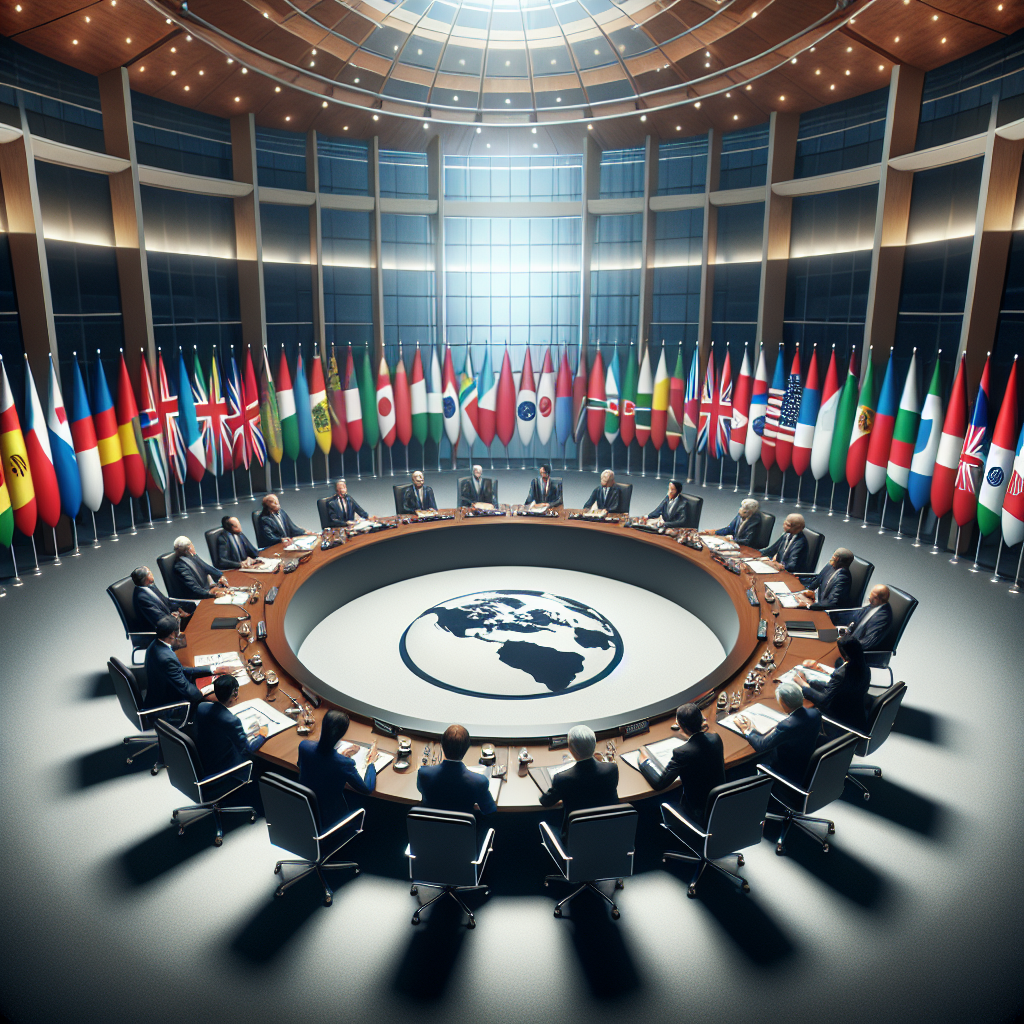
The Group of Seven (G7) nations is positioning itself as the ideal platform to discuss strategies to end the conflict in Iran and the associated blockade of the Strait of Hormuz. These issues pose substantial threats to the global economy, stated German Finance Minister Lars Klingbeil on Monday.
Klingbeil is traveling to Paris for a G7 meeting of finance ministers and central bankers. Emphasizing a European perspective, he stresses the importance of cooperation over confrontation, valuing partnerships, openness in trade, and the reinforcement of the rule of law.
Highlighting past crises, Klingbeil noted the necessity for Germany and Europe to enhance independence and resilience, especially in areas like raw materials, energy, and supply chain stability. Talks in Paris will also extend to finance ministers from nations like Brazil, India, South Korea, and Kenya to foster broader international alliances.
(With inputs from agencies.)


 Google News