



SADC Ministers to Meet in Zimbabwe for Talks on Food Security, Blue Economy Growth
South Africa’s Minister of Agriculture, John Steenhuisen, will chair the ministerial session in his capacity as chairperson of the Joint Committee of SADC Ministers of Agriculture and Food Security, Fisheries and Aquaculture.
- Country:
- South Africa
Ministers responsible for agriculture, food security, fisheries, and aquaculture from across Southern Africa are set to gather in Victoria Falls, Zimbabwe, later this month for high-level discussions aimed at strengthening regional food systems, improving climate resilience, and expanding the region’s blue economy.
The ministerial meeting, convened by the Southern African Development Community (SADC), is scheduled for 29 May 2026 and comes at a critical time as countries across the region face mounting pressures from climate change, livestock diseases, food insecurity, and economic challenges affecting agricultural production.
The talks are expected to focus on practical regional cooperation strategies designed to improve food security, support sustainable agricultural growth, and strengthen resilience against future climate and economic shocks.
South Africa to Chair Ministerial Session
South Africa’s Minister of Agriculture, John Steenhuisen, will chair the ministerial session in his capacity as chairperson of the Joint Committee of SADC Ministers of Agriculture and Food Security, Fisheries and Aquaculture.
Ahead of the ministerial meeting, senior officials from SADC member states are expected to meet on 27 and 28 May to prepare technical reports and recommendations for ministers to consider.
According to the SADC Secretariat, the gathering will review progress made on previous regional commitments while identifying new measures needed to improve agricultural productivity, fisheries governance, and food system resilience across Southern Africa.
Food Security and Climate Resilience at the Centre of Discussions
One of the major issues on the agenda will be the region’s food and nutrition security situation.
Ministers are expected to receive updates on:
-
The performance of the 2025/26 rainfall season
-
Agricultural production forecasts across member states
-
Climate outlooks and projections for the 2026/27 season
-
Regional food supply and nutrition challenges
Southern Africa remains highly vulnerable to climate-related disruptions, including droughts, floods, heatwaves, and erratic rainfall patterns that continue to affect crop production and rural livelihoods.
The region has experienced repeated climate shocks in recent years, placing pressure on governments to strengthen agricultural resilience and improve disaster preparedness.
SADC officials say coordinated regional planning is becoming increasingly important as climate variability threatens long-term food security and economic stability.
Focus on Agricultural Development and Youth Participation
The meeting will also assess progress under the Comprehensive Africa Agriculture Development Programme (CAADP), one of Africa’s flagship agricultural development frameworks aimed at improving food production, reducing poverty, and promoting sustainable agriculture.
Ministers are expected to review findings from CAADP’s fifth biennial review, which measures progress made by African countries toward agricultural growth and food security targets.
In addition, discussions will focus on strategies to increase youth participation in agriculture and agribusiness.
SADC countries have increasingly prioritised youth involvement in the agricultural sector as governments seek to address rising unemployment while modernising food systems and improving rural economic opportunities.
Officials are expected to discuss ways to attract younger generations into farming, agro-processing, fisheries, and related industries through innovation, financing, skills development, and technology-driven agricultural practices.
Regional Cooperation on Seeds, Fertilisers and Rice Production
Several regional agricultural cooperation initiatives are also expected to come under review during the meeting.
These include:
-
The SADC Rice Development Strategy
-
Harmonised seed regulatory systems
-
Regional fertiliser regulatory frameworks
SADC says harmonising regulations is essential to improving regional trade, ensuring better access to agricultural inputs, and supporting food production across member states.
Improved seed systems and fertiliser availability are considered critical for increasing crop yields and strengthening food security throughout the region.
Foot-and-Mouth Disease Outbreaks Raise Regional Concern
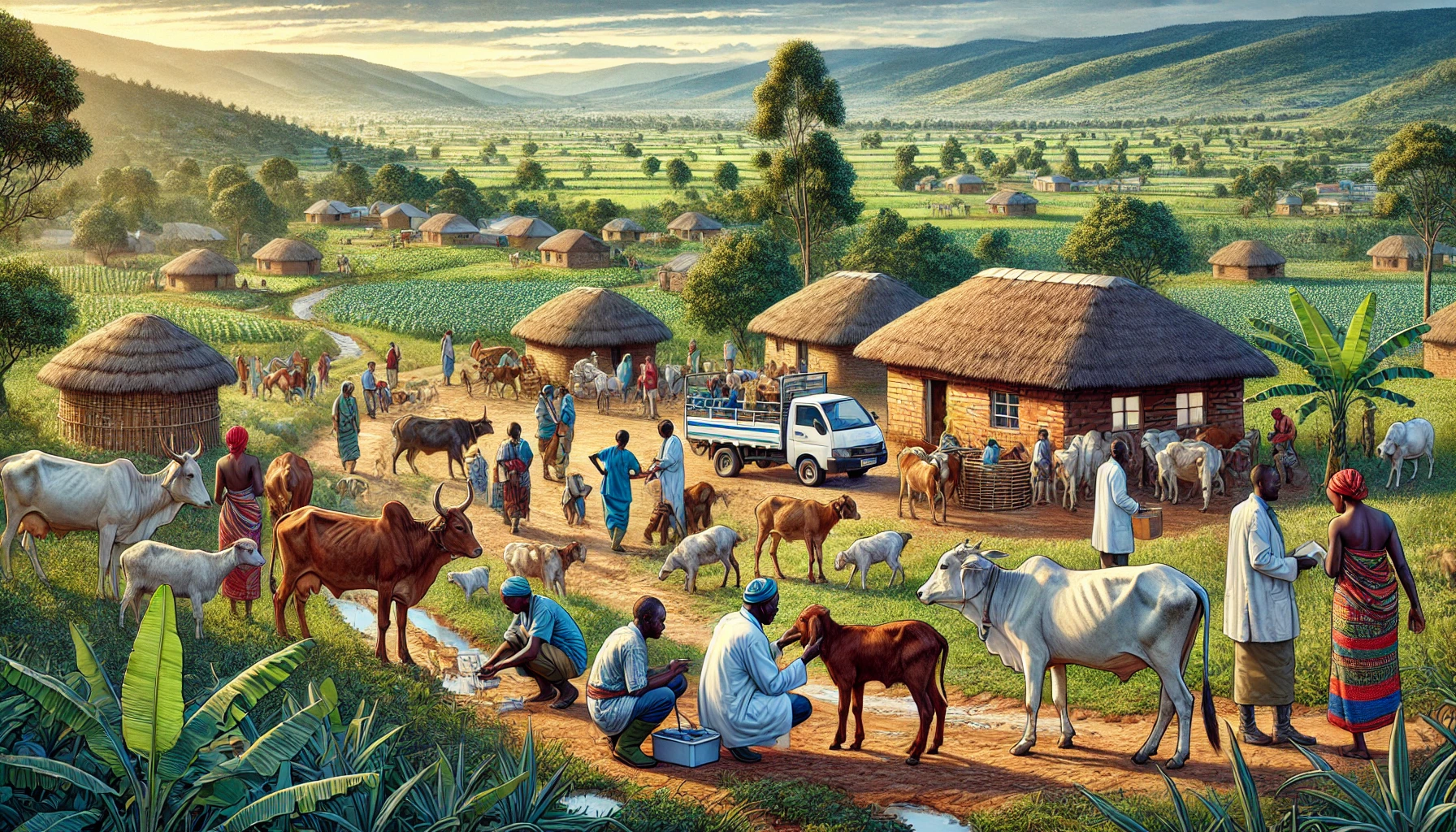
Livestock health is expected to feature prominently in the discussions following recent outbreaks of Foot-and-Mouth Disease (FMD) in several parts of Southern Africa.
The disease has raised concerns about threats to livestock production, cross-border trade, and rural livelihoods that depend heavily on cattle farming and related industries.
Ministers will receive updates on regional efforts to contain and manage the outbreaks, including actions agreed upon by the SADC Council of Ministers in March 2026.
Those measures include:
-
Strengthening cross-border disease surveillance
-
Expanding coordinated vaccination programmes
-
Improving information sharing between member states
-
Enhancing regional veterinary cooperation
SADC says stronger collaboration is necessary to prevent the spread of livestock diseases that can severely impact regional economies and food systems.
Blue Economy and Fisheries Development on the Agenda
The meeting will also focus on fisheries governance and aquaculture development as SADC countries seek to unlock the economic potential of the region’s blue economy.
The blue economy refers to the sustainable use of ocean, freshwater, and aquatic resources to promote economic growth, food security, employment, and environmental sustainability.
Ministers are expected to review progress under the Programme for Improving Fisheries Governance and Blue Economy Trade Corridors (PROFISHBLUE).
The discussions will also examine:
-
Tilapia genetic improvement initiatives
-
Aquaculture expansion strategies
-
Revisions to the SADC Aquaculture Strategy and Action Plan
Aquaculture is increasingly viewed as an important solution to growing food demand and declining wild fish stocks, while also creating employment opportunities and supporting rural economies.
Supporting Long-Term Regional Development Goals
According to SADC, outcomes from the Victoria Falls meeting will contribute to several broader regional development frameworks, including:
-
The Regional Indicative Strategic Development Plan (RISDP) 2020–2030
-
The SADC Food and Nutrition Security Strategy
-
SADC Vision 2050
The regional bloc says these frameworks aim to promote sustainable economic growth, food security, regional integration, poverty reduction, and climate resilience across its 16 member states.
Regional Cooperation Seen as Essential
As Southern Africa continues to confront climate pressures, rising food demand, disease outbreaks, and economic uncertainty, regional leaders increasingly view coordinated action as essential to strengthening resilience and ensuring long-term development.
SADC officials say the upcoming meeting reflects ongoing efforts to deepen cooperation among member states while building more sustainable, inclusive, and climate-resilient food systems for the future.
The discussions in Victoria Falls are expected to shape future regional agricultural, fisheries, and food security policies as Southern Africa works to balance economic growth with environmental sustainability and social development.


 Google News