



UN Committee Accuses Morocco of Systemic Torture Violations in Western Sahara Detainee Cases
The Gdeim Izik protest camp was established near Laâyoune in Western Sahara in 2010 and grew to include more than 20,000 Sahrawi protesters.
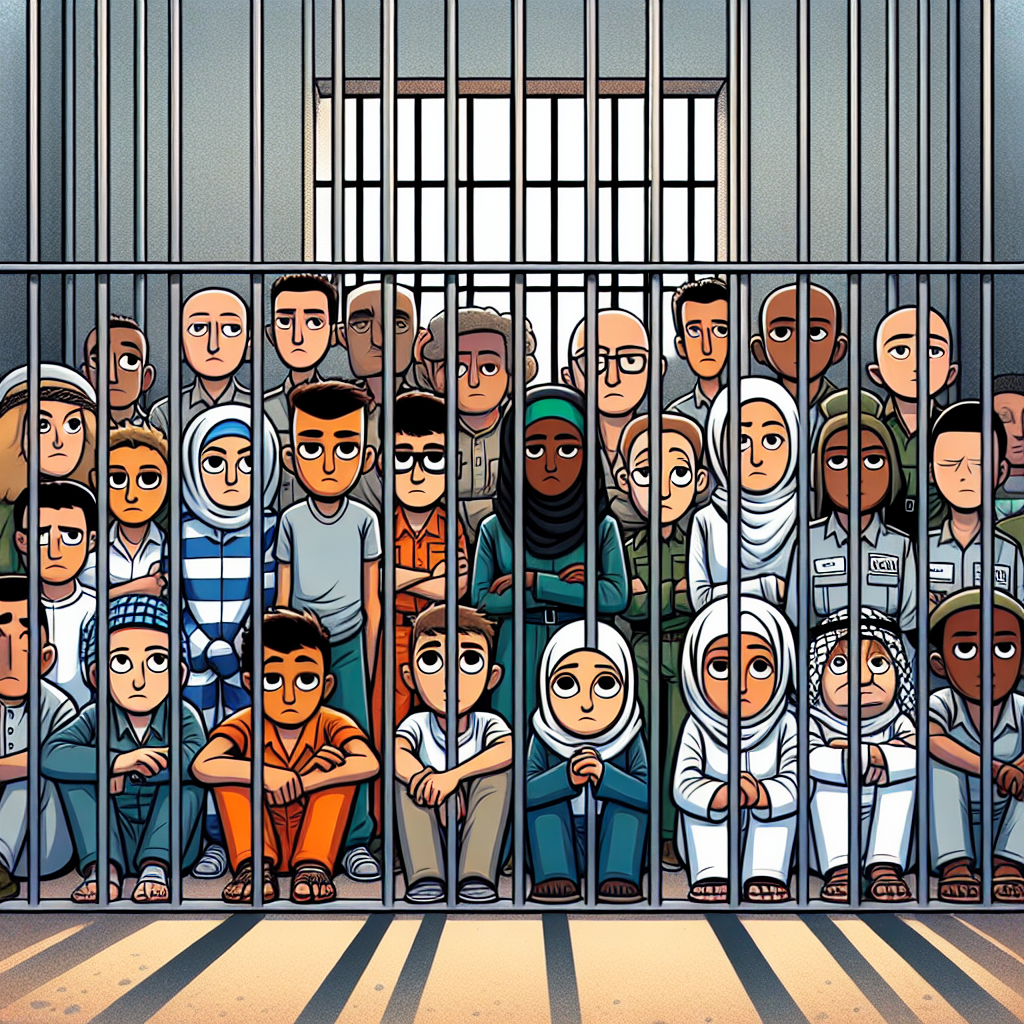
The United Nations Committee against Torture has once again found that Morocco violated international human rights obligations in its treatment of Sahrawi detainees linked to the Gdeim Izik protest camp in Western Sahara, warning that the repeated abuses point to a broader structural problem within the country’s justice and detention systems.
In newly published decisions concerning four separate complaints, the Committee stated that the cases reveal a “consistent pattern” of arbitrary arrests, torture, solitary confinement, and the use of forced confessions during criminal proceedings against Sahrawi activists arrested after the dismantling of the Gdeim Izik camp in 2010.
Background to the Gdeim Izik Protest Camp
The Gdeim Izik protest camp was established near Laâyoune in Western Sahara in 2010 and grew to include more than 20,000 Sahrawi protesters. Demonstrators were protesting what they described as discrimination, poor living conditions, economic marginalisation, and political repression under Moroccan administration in the disputed territory.
Following the dismantling of the camp by Moroccan authorities, numerous Sahrawi activists were arrested and prosecuted in highly controversial legal proceedings that have drawn international criticism for more than a decade.
The UN Committee’s latest findings concern four detainees who claimed they were subjected to severe torture and mistreatment after their arrests.
Allegations of Torture and Ill-Treatment
According to the complaints reviewed by the Committee, the detainees were allegedly beaten, burned with cigarettes, threatened with rape, suspended in painful stress positions, and subjected to “falaka,” a torture method involving repeated blows to the soles of the feet with metal bars.
The complainants also alleged they were held in prolonged solitary confinement, denied food and medical care, and prevented from accessing lawyers and family members during detention.
One of the torture methods described was the so-called “roast chicken” position, in which detainees are suspended in a highly painful manner for extended periods.
The Committee noted that these allegations were not isolated claims but instead reflected a recurring pattern previously identified in six earlier Gdeim Izik-related cases already examined by the UN body.
“Unfortunately, these are not isolated cases, but point to a structural problem in Morocco’s handling of the Gdeim Izik-related cases,” said Peter Vedel Kessing, Vice Chair of the Committee against Torture.
Failure to Investigate Torture Claims
The Committee strongly criticised Moroccan judicial authorities for allegedly failing to properly investigate the torture allegations despite repeated complaints by the detainees.
According to the findings, investigating judges and prosecutors reportedly refused to formally record torture complaints or order independent medical examinations at the time the allegations were raised.
Although medical examinations were eventually ordered six years later by the Rabat Court of Appeal, the Committee found they were not carried out independently and did not meet international standards outlined in the Istanbul Protocol, the globally recognised framework for documenting torture.
“Where a detainee appears before judicial authorities with visible signs of torture, the State has an immediate obligation to investigate,” Kessing said.
Forced Confessions Used in Court
The detainees claimed they were forced to sign or fingerprint statements while under torture without knowing the contents of the documents. Those statements were later used as central evidence during criminal trials against them.
The four complainants were initially tried alongside other Sahrawi defendants before a Moroccan military court in 2013 before their cases were later transferred to the Rabat Court of Appeal. Two of the complainants received life sentences, while the other two were sentenced to 25 years imprisonment.
The Committee concluded that Morocco violated multiple obligations under the UN Convention against Torture by failing to prevent torture, investigate complaints, provide safeguards during detention, ensure fair trials, and exclude evidence obtained through torture.
Calls for Urgent Reform and Reparations
The UN body urged Morocco to take urgent corrective action to prevent future violations and reform how Gdeim Izik-related cases are handled.
Among its recommendations, the Committee called on Moroccan authorities to:
-
Conduct prompt, impartial, and thorough investigations into torture allegations
-
Follow international standards under the revised Istanbul Protocol
-
Bring those responsible for torture to justice
-
Provide victims with full reparations, compensation, and rehabilitation
-
Review and potentially overturn convictions based on coerced confessions
-
Ensure detainees have access to lawyers, doctors, and family members
-
Prevent intimidation or reprisals against complainants and their families
The Committee warned that repeated failures to investigate torture allegations and continued reliance on disputed confessions threaten the absolute international prohibition against torture.
The latest findings are expected to intensify international scrutiny of Morocco’s human rights record in Western Sahara, a disputed territory that has remained a source of political and diplomatic tension for decades.


 Google News