



U.S. Tariffs Ignite Global Trade Tensions over Forced Labor
The Trump administration proposes tariffs of up to 12.5% on imports from 60 countries, citing forced labor concerns, sparking global debate. Criticism includes claims of unfair targeting based on trade volumes. Exemptions apply to certain products and U.S. trade deals. Comments on the proposal are open until July 6.
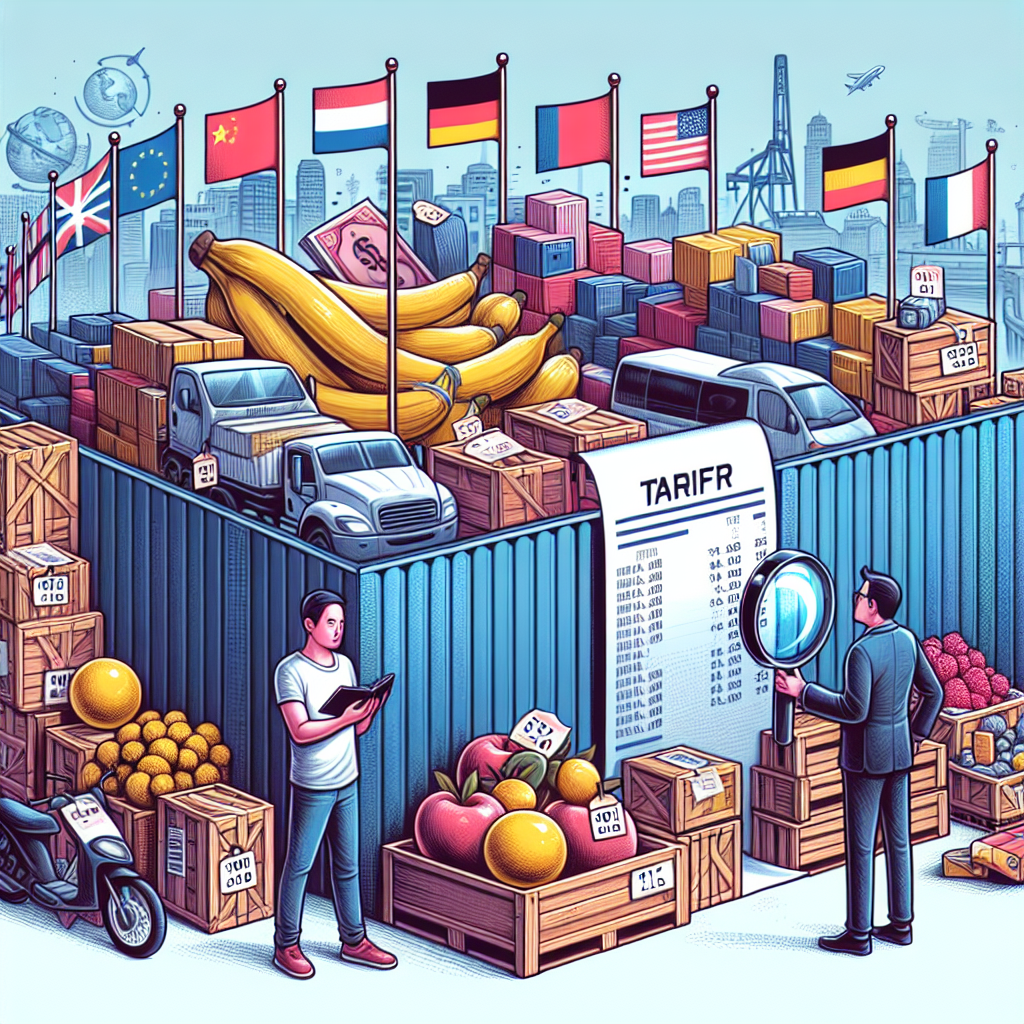
The Trump administration has set the stage for a new wave of global trade tensions by proposing tariffs of up to 12.5% on imports from 60 nations. The justification? These countries allegedly failed to tackle the use of forced labor in their supply chains — a point of contention among U.S. trade partners.
According to U.S. Trade Representative Jamieson Greer, the continued importation of goods made with forced labor creates unfair competition for American workers. Business leaders, however, argue the complexity of the global supply chain makes these accusations problematic, and they fear the move might fuel further confusion.
While the tariffs aim to reinforce labor standards, critics argue selective enforcement based on trade volumes is politically motivated. Exemptions include goods already covered by existing U.S. national security tariffs and products like pharmaceuticals and aircraft parts. These exclusions underscore diplomatic sensitivities and economic considerations in the proposal.
(With inputs from agencies.)


 Google News