



Nepal's Political Shift: A New Era in China Relations
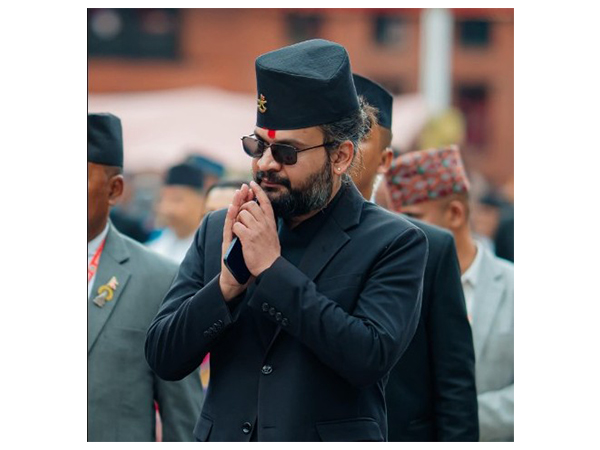
The rise of Nepal's new Prime Minister, Balendra Shah, marks a significant shift in the country's politics, moving away from traditional communist ties and potentially recalibrating relations with China. The changes reflect more assertive stances on sovereignty and foreign engagement, altering the geopolitical landscape with India and China.
- Country:
- China
China's diplomatic landscape with Nepal is witnessing a seismic shift as Nepal's new Prime Minister, Balendra Shah, takes office. This change signals a departure from Nepal's communist leadership that had strengthened ties with China and distanced from India.
Shah's leadership follows a decisive victory of the Rastriya Swatantra Party (RSP), challenging the longstanding political dominance of communist figures K P Sharma Oli and Pushpa Kamal Dahal Prachanda, known for their China-leaning policies.
With critics highlighting stalled Belt and Road Initiative (BRI) projects and controversies surrounding Chinese-funded developments, Nepal's foreign policy under Shah may shift toward a more balanced approach between China and traditional ties with India, whilst pursuing sovereignty vigorously.
(With inputs from agencies.)
ALSO READ
Deadly Clashes in Philippines: Two Americans Among 19 Communist Guerrilla Casualties
Iran and US: Blockades, Diplomacy, and Tensions
Deadlock in Diplomacy: Struggles in U.S.-Iran Conflict Resolution
Russia's Duma Speaker Visits North Korea Amid Strengthened Diplomacy
High-Stakes Diplomacy: Iran and Pakistan's Quest for Peace Amid US Talks


 Google News