



Gujarat's Local Body Elections Witness Low Turnout Amidst Heatwave
The local body elections in Gujarat concluded with under 50% turnout in municipal corporations during a heatwave. Rural areas saw higher participation. Elections were notably peaceful, with a three-tier security arrangement in place. Major parties like BJP, Congress, and AAP faced multi-cornered contests.
- Country:
- India
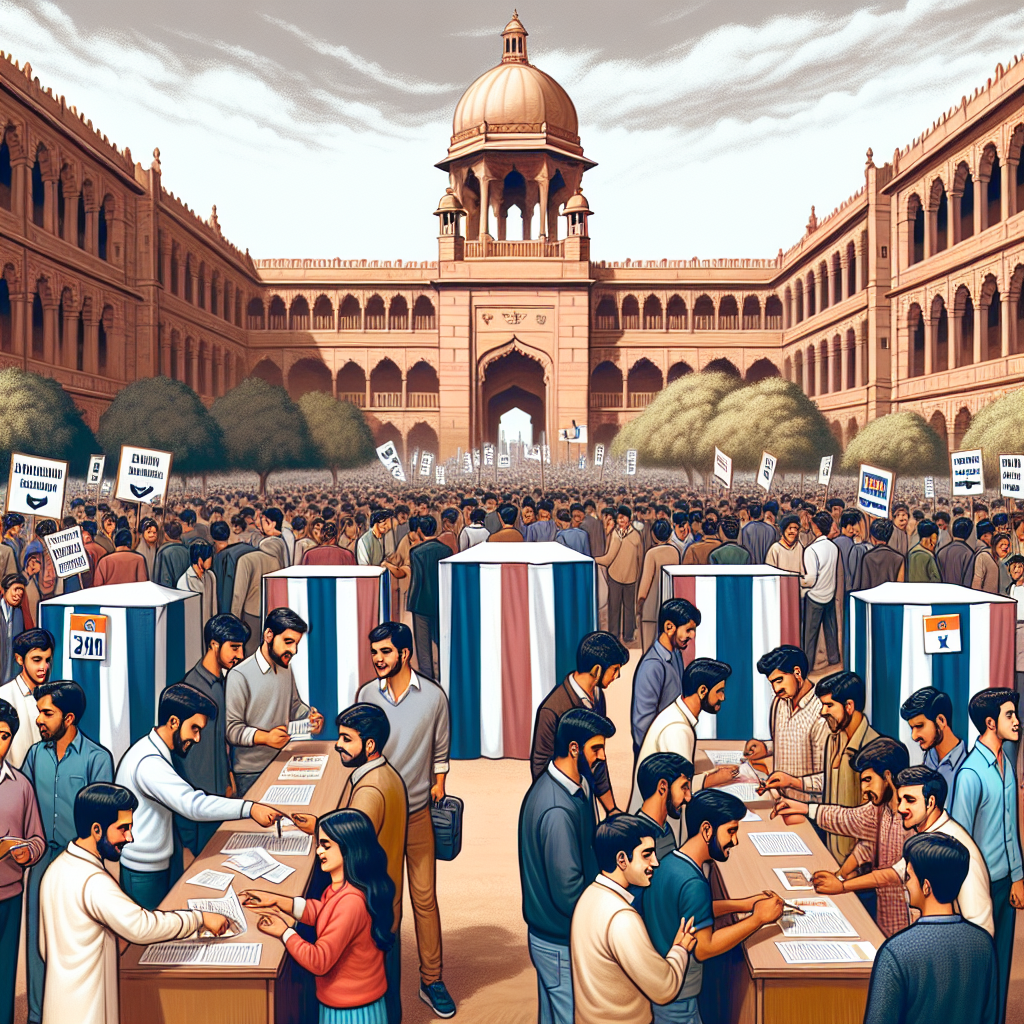
Polling for various local bodies in Gujarat came to an end on Sunday, with a turnout of less than 50% reported in 15 municipal corporations amid a searing heatwave, officials stated. The State Election Commission (SEC) noted that while municipal corporations had a modest 48.55% turnout, rural areas experienced higher voter participation, with district and taluka panchayats recording 60.22% and 61.08%, respectively.
Elections took place across 15 municipal corporations, such as Ahmedabad, Surat, Vadodara, and Rajkot, alongside 84 municipalities, 34 district panchayats, and 260 taluka panchayats, marking it as a sizable electoral event in the state ahead of the assembly elections scheduled for next year. The SEC shared that at 6 pm, a voter turnout of 48.55% was registered in municipal corporations, municipalities saw 58.12%, district panchayats achieved 60.22%, and taluka panchayats 61.08%.
The Gandhidham Municipal Corporation in Kutch district reported the lowest turnout at 39.85%, while the Vapi civic entity in Valsad district had the highest at 65.68%. Union Home Minister Amit Shah and Gujarat Chief Minister Bhupendra Patel voted in Ahmedabad, with Deputy Chief Minister Harsh Sanghavi casting his vote in Surat. Robust security arrangements, including CCTV oversight and special squads in sensitive zones, were in place to maintain order. Elections operated under updated norms for OBC reservations, prompting significant ward restructuring across several districts.
(With inputs from agencies.)
- READ MORE ON:
- Gujarat
- local elections
- turnout
- municipal corporations
- heatwave
- rural areas
- SEC
- BJP
- Congress
- AAP
ALSO READ
Bengal govt sanctions prosecution of ex-RG Kar principal Sandip Ghosh in graft case
Petrol, diesel prices hiked for second time a week, up 90 paise
UPDATE 1-Australia secures more jet fuel from China, urea from Brunei
UPDATE 1-Taiwan president to hold news conference to mark his second year in office
Petrol, diesel prices hiked by about 90 paise a litre, second increase in a week.


 Google News