



IAEA Intensifies Fight Against New World Screwworm Outbreaks in Latin America
The New World screwworm outbreak has emerged as a serious transboundary agricultural and economic threat, placing livestock industries and vulnerable farming communities under increasing pressure.
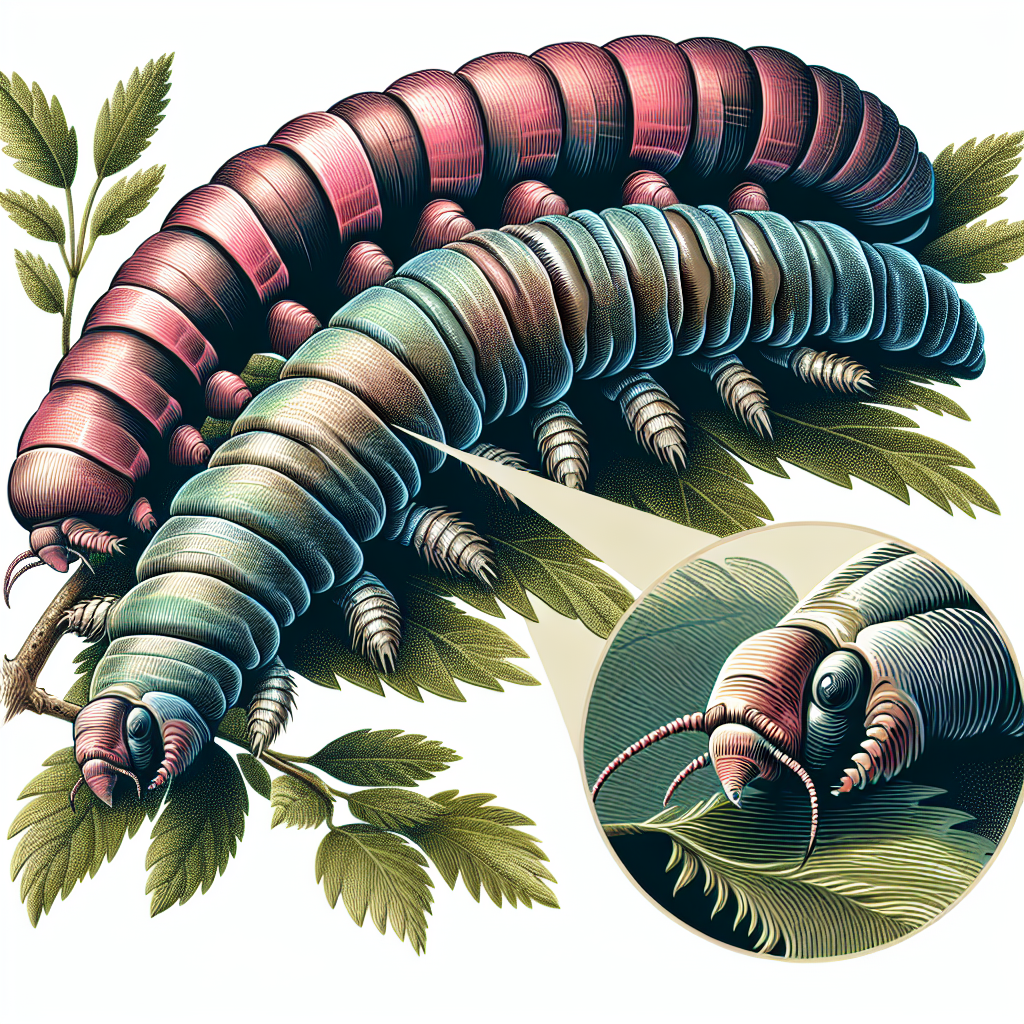
Scientific experts from across the Americas gathered at the International Atomic Energy Agency (IAEA) headquarters in March to discuss urgent strategies to combat the growing resurgence of the New World screwworm, a dangerous flesh-eating parasitic fly threatening livestock, food security and rural livelihoods throughout Latin America and the Caribbean.
The meeting brought together specialists in animal health, parasitology, pest management and nuclear science to strengthen regional cooperation against the rapidly spreading pest, which has already caused more than 20,000 reported outbreaks across several countries in the region.
The New World screwworm outbreak has emerged as a serious transboundary agricultural and economic threat, placing livestock industries and vulnerable farming communities under increasing pressure.
Flesh-Eating Parasite Threatens Livestock and Rural Economies
The New World screwworm is one of the most destructive livestock pests in the Americas. Unlike ordinary flies, the larvae of the screwworm feed on the living tissue of warm-blooded animals, causing severe wounds, infections and, in many cases, death if left untreated.
The pest primarily affects cattle and other livestock, but it can also infect wildlife, pets and even humans. Infestations can spread rapidly, particularly in tropical and subtropical environments, leading to devastating economic losses for farmers and national agricultural sectors.
According to the World Organisation for Animal Health (WOAH), the screwworm has now been detected in Belize, Costa Rica, El Salvador, Guatemala, Honduras, Nicaragua and Mexico. More than 20,000 new outbreaks have already been recorded, raising concerns among veterinary authorities and international organizations.
Experts warn that without coordinated containment efforts, the parasite could continue expanding across the region, threatening food production systems and international livestock trade.
IAEA Leads Regional Coordination Efforts
The March meeting was part of an ongoing series of regional initiatives organized by the IAEA to strengthen cooperation on identifying, monitoring, preventing and controlling the New World screwworm.
The agency emphasized that transboundary animal health threats require collective international responses and long-term scientific collaboration.
Luis Longoria, Director of the IAEA Technical Cooperation Division for Latin America and the Caribbean, stressed the importance of regional solidarity in addressing the crisis.
“Strengthening regional cooperation is essential to protect communities and safeguard agricultural livelihoods across Mexico and Central America,” Longoria said.
He noted that the growing outbreaks demonstrate how pests and diseases can easily cross borders, making shared strategies and coordinated action essential.
“The increasing outbreaks of New World screwworm remind us that transboundary threats demand shared solutions and a collaborative approach,” he added.
Longoria explained that the IAEA’s technical expertise and partnerships are helping countries build coordinated suppression and eradication strategies while strengthening long-term resilience against future outbreaks.
Sterile Insect Technique at the Center of Control Efforts
One of the key topics discussed during the meeting was the use of the Sterile Insect Technique (SIT), an environmentally friendly pest control method that has successfully eradicated New World screwworm populations in parts of North and Central America in the past.
The technique involves mass-producing male screwworm flies, sterilizing them using radiation and releasing them into affected areas. When sterile males mate with wild females, no offspring are produced, gradually reducing and eventually eliminating pest populations.
The IAEA has played a major role in supporting countries with training, technical assistance and infrastructure needed to implement the technique effectively.
Meeting participants heard how the IAEA’s technical cooperation programme has trained scientists to detect screwworm infestations and operate sterile insect production systems. The programme is also helping countries expand facilities capable of producing sterile flies on a larger scale.
Argentina and Uruguay Expand Technical Capacity
Several countries are already scaling up their pest control infrastructure with IAEA support.
In Argentina, an existing Mediterranean fruit fly production facility is being adapted to produce sterile New World screwworm flies. This adaptation is expected to significantly increase the region’s capacity to deploy SIT operations against the pest.
Meanwhile, Uruguay is upgrading its dispersion center with new diagnostic equipment aimed at improving surveillance, monitoring and outbreak response capabilities.
The expansion of technical infrastructure across the region is viewed as critical for achieving sustained pest suppression and preventing future re-emergence.
Experts Stress Importance of Scientific Collaboration
Scientists attending the meeting evaluated the latest outbreak data, discussed research gaps and explored opportunities for additional capacity building across affected countries.
Discussions focused on improving surveillance systems, expanding sterile insect production and strengthening diagnostic capabilities to enable earlier detection and more effective responses.
Heather Walden, Assistant Professor and parasitology expert at the University of Florida in the United States, emphasized that scientific collaboration is essential because animal health threats do not respect national borders.
“Scientific and technical collaboration like this is essential because the challenges we face in animal health and food production do not stop at borders,” Walden said.
She highlighted the importance of improving surveillance systems, sharing expertise and closing research gaps to strengthen both food security and public health.
“I see contributing U.S. expertise through the IAEA as a way to strengthen global capacity while also helping safeguard our own food systems, public health and economic security at home,” she added.
Threat Extends Beyond Agriculture
The resurgence of the New World screwworm is not only an agricultural issue but also a broader public health and economic concern.
Livestock infestations can severely impact meat and dairy production, disrupt rural economies and increase financial burdens on farming communities already facing climate and market pressures.
In severe cases, the screwworm can also infect humans, particularly in vulnerable populations lacking access to healthcare or proper wound treatment.
Experts warn that uncontrolled outbreaks could weaken regional food security and damage international trade relationships if livestock exports are affected by animal health restrictions.
Long History of Regional Eradication Efforts
The Americas have a long history of coordinated efforts against the New World screwworm. Through large-scale sterile insect campaigns, the pest was successfully eradicated from the United States, Mexico and several Central American countries during previous decades.
However, experts say ongoing surveillance and sustained investment are necessary to prevent reintroduction and resurgence, especially as climate change, increased trade and animal movements create new challenges for biosecurity systems.
The current outbreaks underscore the importance of maintaining regional preparedness and scientific cooperation even after successful eradication campaigns.
IAEA Continues Expanding Nuclear Applications in Agriculture
The meeting also reflects the IAEA’s growing role in applying nuclear science and related technologies to agriculture, food security and environmental protection.
Through partnerships with governments, universities and international organizations, the agency supports the use of nuclear techniques to combat pests, improve crop production, monitor diseases and strengthen food systems globally.
The sterile insect technique is widely considered one of the most successful examples of peaceful nuclear technology applications in agriculture and public health.
As Latin America confronts the renewed threat of the New World screwworm, experts believe stronger regional coordination, scientific innovation and sustained international support will be essential to protecting livestock industries and rural livelihoods across the region.
- READ MORE ON:
- IAEA
- New World Screwworm
- Latin America
- Livestock Disease
- Sterile Insect Technique
- Animal Health
- Food Security
- Nuclear Technology
- Agricultural Protection
- Mexico
- Central America
- Veterinary Science
- Parasitic Fly
- WOAH
- Livestock Industry
- Pest Control
- Argentina
- Uruguay
- Rural Livelihoods
- Transboundary Diseases


 Google News