



F1's Power Shift: The Future of Engines
Formula 1's shift towards electrical power is reconsidered as the FIA president advocates for a return to traditional V8 engines by 2030. The Miami Grand Prix showcased changes limiting electrical influence, and future discussions will explore blending traditional engines with slight electrification while addressing environmental considerations.
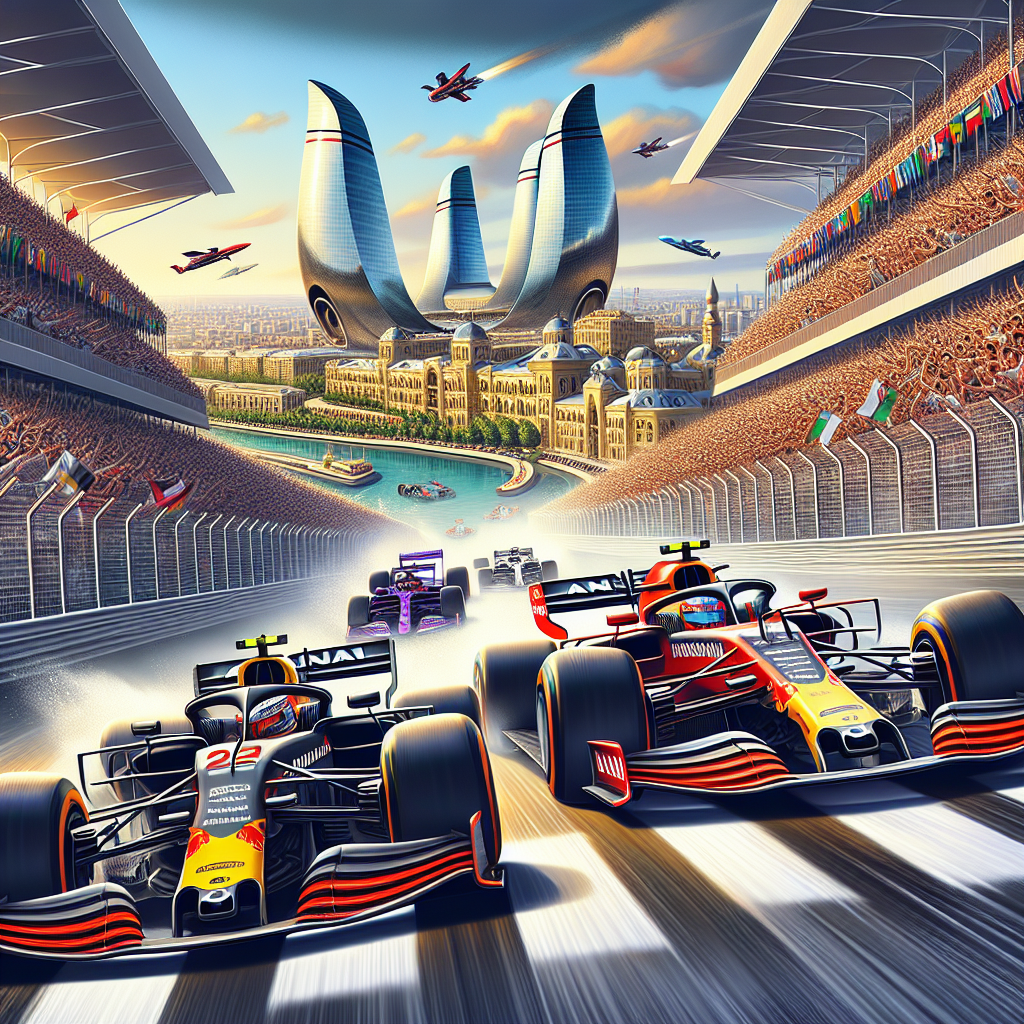
Four races into Formula 1's new era, the dominance of electrical power in the sport may already be waning. The Miami Grand Prix marked the first race under regulations that scaled back the role of electrical power, which had been a hallmark of racing this year. FIA President Mohammed Ben Sulayem has expressed a desire to return to traditional V8 engines within a few years.
F1 initiated the year with significant changes, evenly splitting power between conventional engines and onboard battery packs. However, criticism from drivers led to adjustments prioritizing driver skill over electrical recharging, especially in qualifying sessions. Sunday's Miami race was notably competitive, with drivers from four different teams leading before Kimi Antonelli secured his third victory of 2026 for Mercedes.
Ben Sulayem's initiative for V8 engines seemed strategic earlier, but with his re-election and growing resistance to electrical power, the push gains momentum. Political shifts and evolving automotive industry goals have influenced discussions. The FIA stresses the importance of safeguarding the sport from external economic influences while seeking consensus with engine manufacturers.
(With inputs from agencies.)


 Google News