



Lebanon Crisis Deepens: Over One Million Displaced as Women Bear the Brunt of Escalating Conflict
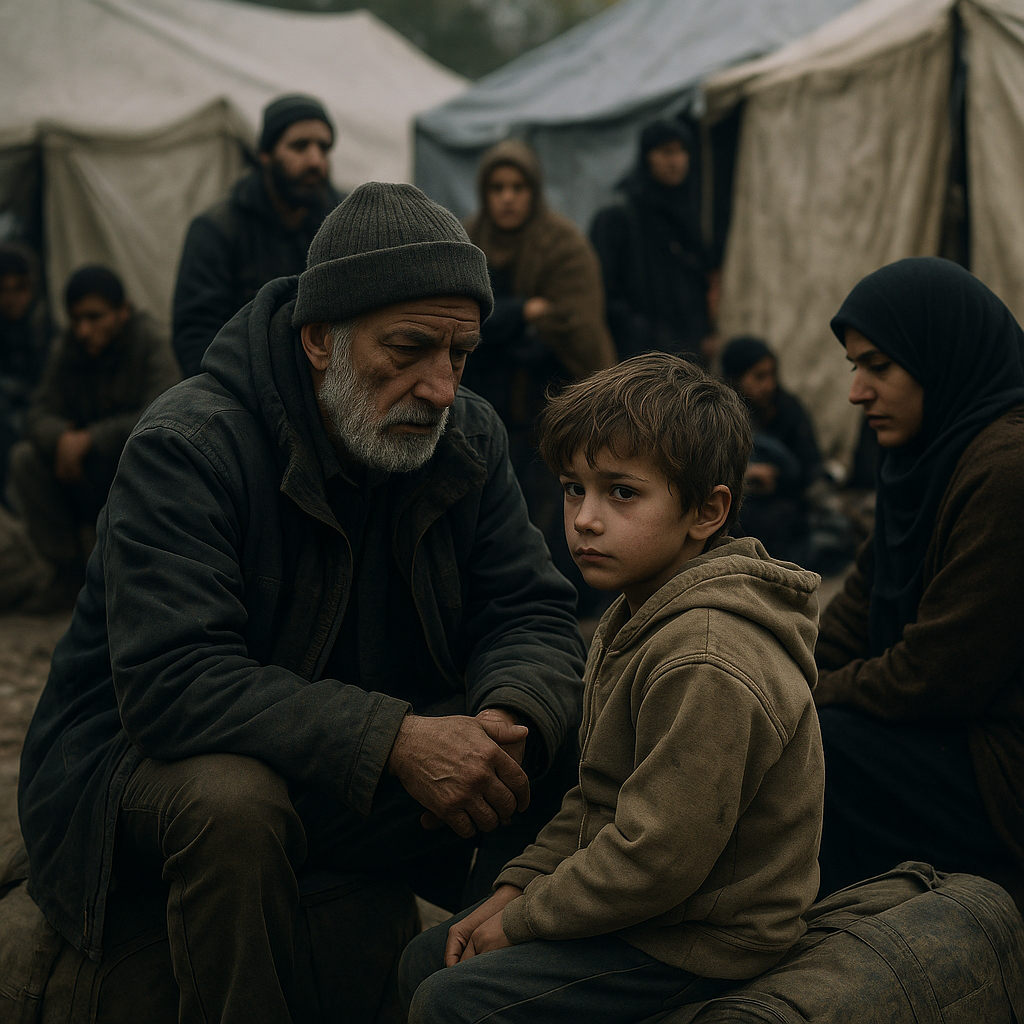
Among those forced to flee are an estimated 620,000 women and girls, representing nearly one in four females across the country, including Lebanese citizens as well as Palestinian and Syrian refugees.
- Country:
- Lebanon
Lebanon is facing a deepening humanitarian crisis, with more than one million people displaced following the March 2026 escalation of conflict—an upheaval that is disproportionately affecting women and girls, according to new insights from UN Women.
Among those forced to flee are an estimated 620,000 women and girls, representing nearly one in four females across the country, including Lebanese citizens as well as Palestinian and Syrian refugees. For many, displacement is not a one-time event but part of a recurring cycle of instability and forced movement.
Despite a 10-day ceasefire announced on April 16, conditions remain volatile. Families continue to move between shelters and damaged homes, driven by uncertainty and fear of renewed violence, highlighting the fragility of the current situation.
Rising Casualties and Collapse of Essential Services
The human toll of the conflict is mounting rapidly. Between 2 March and 16 April 2026, at least 260 women were killed and over 1,150 injured, while healthcare infrastructure has come under severe strain, with 133 reported attacks on medical facilities nationwide.
Even prior to the latest escalation, around 70,000 women required maternal health services—needs that have now become increasingly difficult to meet due to disrupted healthcare systems and mass displacement.
Humanitarian experts warn that these overlapping crises—conflict, displacement, and healthcare breakdown—are significantly increasing risks for women and girls, particularly those requiring urgent or ongoing medical care.
Survival, Work, and Dignity in Displacement
Amid the crisis, community-led initiatives are providing critical lifelines. At the Sibline Training Centre, a shelter established in March, a community kitchen supported by UN Women produces approximately 3,000 hot meals daily for displaced families.
The initiative has also created short-term employment for 48 women, offering not only income but a sense of dignity and stability in an otherwise uncertain environment.
For women like Ghofran Abou Khalil, displacement has been a repeated ordeal—first within Syria, then across multiple locations in Lebanon. Forced to flee at night with her daughters, she described leaving behind essentials, including medication, while holding onto small comforts like her child’s toy.
“I saw destruction everywhere—people mourning, homes destroyed. It was mentally exhausting,” she recalled after returning briefly home following the ceasefire.
Similarly, Hadeel Moussa, a young mother displaced twice in two years, described waiting hours in the early morning to secure transport to safety. Even after returning home, fear persists, with emergency bags kept ready in anticipation of further escalation.
Displacement’s Unequal Burden on Women
The crisis underscores how displacement affects women differently. Beyond physical risks, women often shoulder disproportionate caregiving responsibilities, managing households, caring for children and elderly family members, and in many cases sacrificing their own basic needs.
Economic insecurity has also intensified, with limited access to livelihoods forcing many women into precarious conditions. Initiatives like the community kitchen have helped ease some of these pressures, providing both income and a sense of purpose.
For Faten Ali, who lost her brother and home in earlier conflict, working in the kitchen has become “a string of hope,” offering emotional support through shared experiences and community bonds.
Humanitarian Response and Calls for Action
UN Women has significantly scaled up its operations across Lebanon, working with local organizations to deliver:
-
Protection services for vulnerable Women and girls
-
Psychosocial support
-
Cash-for-work and livelihood opportunities
-
Food assistance integrated with employment programmes
The agency is also advocating for greater inclusion of women in peacebuilding and recovery efforts, emphasizing that sustainable solutions must address gender-specific needs.
Urgent Need to Sustain Ceasefire and Scale Support
UN Women has called for the ceasefire to be upheld in full compliance with international humanitarian law, stressing the need for:
-
Unhindered humanitarian access
-
Protection of civilians and aid workers
-
Expanded funding for gender-responsive recovery programmes
-
Stronger investment in livelihoods and social protection systems
Experts warn that without sustained international support and political stability, Lebanon risks further deterioration, with women and girls continuing to face the harshest consequences.
A Crisis Beyond Numbers
While statistics highlight the scale of displacement and loss, the crisis is ultimately defined by individual stories of resilience, fear, and survival. For thousands of women navigating repeated displacement, uncertain returns, and daily संघर्ष, the path forward remains fragile.
As humanitarian agencies continue their efforts, the international community faces mounting pressure to ensure that relief reaches those most affected—and that long-term solutions prioritize both recovery and dignity.
ALSO READ
European Stocks Tumble Amid Middle East Conflict and Energy Woes
L'Oreal's Strategic Moves Amid Middle East Conflict and Upcoming Tariffs
Homecoming Hope: Congolese Refugees Return Amid Rebelling Retreat
Impact of Middle East Conflict and Tariffs on L'Oreal's Turnover
L'Oreal CEO Discusses Middle East Conflict Impact and Future Plans


 Google News