



Africa’s Trade Finance Gap Shrinks After Pandemic Recovery, But New Risks Threaten Future Growth
Trade finance plays a critical role in facilitating commerce by enabling businesses to secure payment guarantees, access working capital and manage risks associated with importing and exporting goods.
- Country:
- Congo
Africa’s trade finance sector has demonstrated remarkable resilience in the years following the COVID-19 pandemic, helping businesses maintain access to international and regional markets despite a difficult global economic environment. However, new challenges ranging from geopolitical tensions to foreign exchange shortages continue to threaten progress and could widen the continent’s trade finance gap in the years ahead.
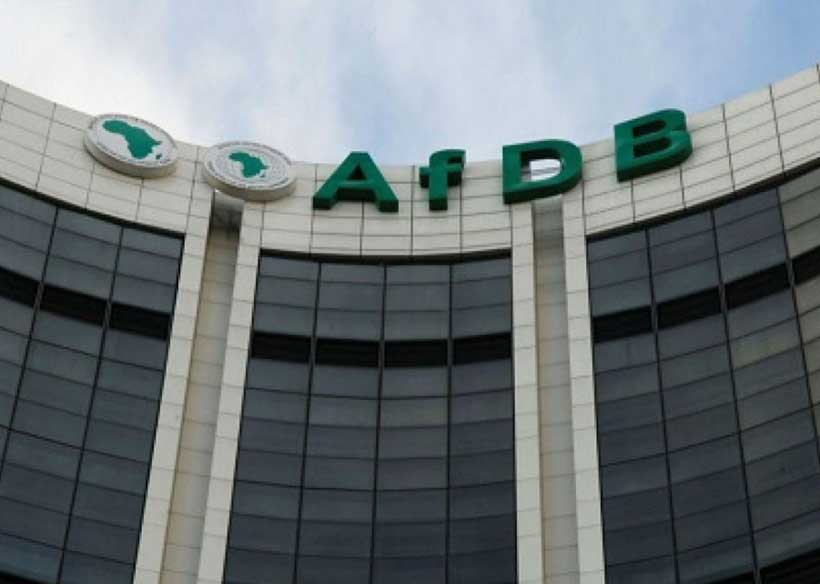
These findings are highlighted in the fifth edition of the African Development Bank’s Trade Finance Report, launched during the Bank Group’s 2026 Annual Meetings in Brazzaville, Republic of Congo. The report provides a comprehensive assessment of Africa’s trade finance landscape between 2020 and 2024, examining how banks, development finance institutions and policymakers responded to unprecedented economic disruptions while supporting trade activity across the continent.
Trade Finance Remains Essential to Africa’s Economic Growth
Trade finance plays a critical role in facilitating commerce by enabling businesses to secure payment guarantees, access working capital and manage risks associated with importing and exporting goods.
For African economies, trade finance is particularly important because it supports participation in global value chains, promotes industrialisation and helps businesses expand beyond domestic markets. Small and medium-sized enterprises (SMEs), which account for a significant share of employment and economic activity across Africa, rely heavily on access to trade finance to remain competitive.
Without adequate financing, many businesses struggle to purchase raw materials, fulfil export contracts or access new trading opportunities. As a result, trade finance has become a cornerstone of economic development strategies across the continent.
Funding Gap Narrows but Remains a Major Challenge
One of the report’s most encouraging findings is the reduction in unmet demand for trade finance since the pandemic.
According to the African Development Bank, the trade finance gap narrowed by nearly 10 percent between 2019 and 2024. This improvement was largely driven by coordinated interventions from multilateral development banks, governments, export credit agencies and international financial institutions that stepped in to support trade during a period of significant uncertainty.
Despite this progress, the financing shortfall remains substantial. The report estimates that Africa’s unmet demand for trade finance ranged between $74 billion and $92 billion in 2024. Even the lower estimate represents a significant barrier to trade expansion and economic growth, accounting for more than five percent of the continent’s total merchandise trade value.
Experts warn that many businesses continue to face difficulties obtaining financing, limiting their ability to invest, grow and participate fully in international trade.
Development Finance Institutions Helped Prevent a Larger Crisis
A key theme emerging from the report is the growing importance of development finance institutions (DFIs) in supporting trade across Africa.
For the first time, the report quantifies the contribution of DFIs to African trade finance, revealing that these institutions facilitated approximately $32 billion in trade finance annually between 2020 and 2024.
Their interventions played a crucial role in stabilising trade flows during and after the pandemic. Analysts estimate that without support from development finance institutions, Africa’s annual trade finance gap could have exceeded $100 billion during the review period.
Institutions such as the African Development Bank have increasingly become vital partners for businesses and financial institutions facing heightened market uncertainty and tighter lending conditions.
Commercial Banks Continue to Underserve African Trade
While development finance institutions expanded their support, the report highlights a decline in the role of commercial banks in financing African trade.
Between 2020 and 2024, commercial banks facilitated only 23 percent of the continent’s total trade activity. This represents a notable decline compared to the period before the pandemic, when banks played a significantly larger role in supporting trade transactions.
The findings suggest that many commercial lenders remain cautious about trade finance exposure due to risk concerns, regulatory requirements and economic uncertainties.
This reduced participation has increased pressure on development finance institutions and alternative financing providers to fill the gap and support business growth.
Intra-African Trade Continues to Expand
The report also highlights encouraging progress in regional trade integration.
Between 2020 and 2024, intra-African trade accounted for approximately 34 percent of total bank-intermediated trade. This represents a substantial increase compared to pre-pandemic levels and reflects growing commercial activity between African countries.
The rise in regional trade is being supported by initiatives such as the African Continental Free Trade Area (AfCFTA), which seeks to create a single market across the continent and reduce barriers to commerce.
Stronger intra-African trade can help diversify economies, reduce dependence on external markets and create new opportunities for businesses throughout the region.
Many policymakers view increased regional integration as a critical component of Africa’s long-term economic transformation strategy.
Foreign Exchange Shortages Becoming a Serious Obstacle
Among the most pressing challenges identified in the report is the growing shortage of foreign exchange liquidity.
Banks across Africa increasingly cite limited access to foreign currency as the primary constraint on their ability to expand trade finance operations. This issue has become significantly more severe compared to previous years.
Foreign exchange shortages can delay transactions, increase business costs and reduce access to imported goods and production inputs. They also make it more difficult for exporters and importers to conduct international business efficiently.
Financial experts argue that addressing currency liquidity constraints will require coordinated action from governments, central banks and financial institutions to strengthen foreign exchange markets and improve financial stability.
Digital Transformation Remains Slow
Although digital technologies are reshaping financial services worldwide, adoption within Africa’s trade finance sector remains relatively limited.
The report indicates that only 28 percent of surveyed banks have implemented digital trade finance tools or platforms. High implementation costs, inadequate infrastructure and limited technical capacity continue to slow adoption.
Digitalisation offers significant opportunities for improving efficiency, reducing transaction costs and expanding access to financing, particularly for smaller businesses.
Technologies such as electronic documentation, blockchain-based trade systems and digital payment platforms can streamline trade processes while reducing fraud and administrative burdens.
Industry experts believe that accelerating digital transformation could play a key role in narrowing Africa’s trade finance gap and enhancing competitiveness.
SMEs Continue to Face the Greatest Challenges
Small and medium-sized enterprises remain among the most underserved participants in Africa’s trade finance ecosystem.
Despite their importance to economic growth and job creation, many SMEs struggle to access financing because they are perceived as higher-risk borrowers or lack sufficient collateral.
Participants at the report launch called for greater efforts to address the so-called “missing middle” in African finance. These businesses are often too large to benefit from microfinance institutions but too small to receive adequate support from commercial banks.
Expanding trade finance access for SMEs is increasingly viewed as essential for fostering entrepreneurship, strengthening value chains and promoting inclusive economic development.
NAFAD Seen as a Potential Game-Changer
Experts participating in the discussions highlighted the potential of the New African Financial Architecture for Development (NAFAD) to transform the continent’s financial landscape.
NAFAD seeks to strengthen African financial systems, mobilise domestic capital and create more effective mechanisms for financing development priorities.
Supporters argue that the initiative provides a comprehensive framework for addressing structural challenges within trade finance while improving access to capital for businesses across the continent.
The framework also aims to encourage greater collaboration between development finance institutions, commercial banks and private investors, helping to multiply the impact of available resources.
Building a More Resilient Trade Finance Ecosystem
Industry leaders emphasised that the future of African trade finance will depend on innovation, collaboration and long-term strategic investment.
New approaches involving guarantee mechanisms, asset management initiatives, digital technologies and risk-sharing instruments are already helping expand access to financing.
At the same time, policymakers continue to push for reforms that strengthen banking systems, improve regulatory environments and encourage greater participation from private-sector investors.
A more resilient and diversified trade finance ecosystem will be essential for protecting African businesses from global shocks while supporting continued economic integration.
Looking Ahead
The latest Trade Finance Report presents a cautiously optimistic picture of Africa’s trade finance sector. Significant progress has been achieved since the pandemic, particularly through the efforts of development finance institutions and international partners.
However, major challenges remain. Persistent funding gaps, foreign exchange shortages, limited digital adoption and growing geopolitical uncertainties continue to constrain trade and economic growth.
As Africa advances initiatives such as the African Continental Free Trade Area and the New African Financial Architecture for Development, strengthening trade finance systems will become increasingly important.
If governments, financial institutions and development partners can successfully address existing constraints, Africa will be better positioned to expand trade, support SMEs and accelerate economic transformation in the years ahead.
- READ MORE ON:
- African Development Bank
- Trade Finance Report 2025
- African Trade
- Trade Finance Gap
- SMEs Africa
- Development Finance Institutions
- Digital Trade Finance
- African Economy
- Intra-African Trade
- NAFAD
- Economic Integration
- Banking Sector Africa
- Trade Development
- Financial Inclusion
- Supply Chain Resilience


 Google News