



African Deposit Funds Back New Financial Architecture to Unlock Africa’s $4 Trillion in Domestic Savings
Participants emphasized that Africa possesses substantial financial resources that remain underutilized despite the continent facing an annual development financing gap exceeding $400 billion.
- Country:
- Congo
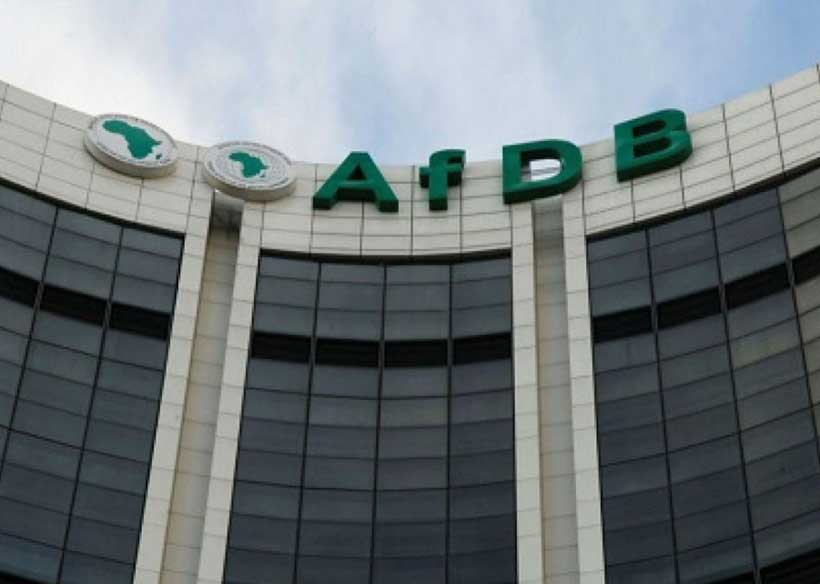
African deposit and investment fund leaders have thrown their support behind the African Development Bank Group’s ambitious initiative to reform the continent’s financial architecture by mobilizing Africa’s vast domestic savings to finance economic transformation, infrastructure development, and long-term growth.
The endorsement came during a high-level session organized by the African Forum of Deposit Funds on the sidelines of the African Development Bank Group’s Annual Meetings in Brazzaville, Republic of the Congo. The discussion, held under the theme “The Role of Institutional Investors in the New African Financial Architecture,” highlighted the growing importance of domestic financial institutions in addressing Africa’s development financing needs.
Participants emphasized that Africa possesses substantial financial resources that remain underutilized despite the continent facing an annual development financing gap exceeding $400 billion. By strengthening domestic capital mobilization and empowering institutional investors, leaders believe Africa can significantly reduce its dependence on external financing while accelerating economic development.
Strong Support for NAFAD Initiative
Speaking during the session, Assoumane Mourjatou, Managing Director of the Niger Deposit and Investment Funds, welcomed the African Development Bank’s New African Financial Architecture for Development (NAFAD) initiative, describing it as a crucial step toward strengthening Africa’s capacity to finance its own development priorities.
According to Mourjatou, the initiative seeks to improve the mobilization of domestic resources while increasing the participation of institutional investors in development financing. She noted that reducing reliance on external sources of funding would enhance economic sovereignty and provide African countries with greater flexibility to pursue their development agendas.
The NAFAD initiative was introduced by African Development Bank Group President Dr. Sidi Ould Tah and formally adopted by Africa’s financial ecosystem on 9 April through the landmark Abidjan Consensus declaration. Earlier, African heads of state and government had endorsed the framework during the African Union Summit held in Addis Ababa, Ethiopia, in February.
The initiative represents a major shift in development financing strategy, placing greater emphasis on leveraging Africa’s own financial resources rather than depending primarily on international borrowing and aid.
Mobilizing Africa’s Vast Financial Resources
One of the central objectives of NAFAD is to unlock the enormous pool of domestic capital already available across the continent.
According to African Development Bank estimates, Africa currently has approximately $4 trillion in managed savings, held by pension funds, sovereign wealth funds, insurance companies, deposit funds, and other institutional investors.
Despite these substantial resources, the continent continues to experience a development financing shortfall estimated at more than $400 billion annually, limiting investments in infrastructure, energy, transportation, healthcare, education, industrialization, and other critical sectors.
NAFAD seeks to bridge this gap by creating stronger mechanisms for channeling domestic savings into productive investments capable of transforming economies and improving living standards.
The framework also aims to strengthen Africa’s financial institutions and reduce the fragmentation that often limits their ability to finance large-scale development projects.
Deposit Funds as Engines of Development
Participants highlighted the strategic role deposit and consignment funds can play in mobilizing long-term capital and supporting national development objectives.
Angélique Nzang Nzoghe Buka Bouka, Deputy Managing Director of the Deposit and Consignment Fund of Gabon, emphasized that deposit funds serve an essential function by transforming dormant savings into productive capital.
She argued that economic sovereignty begins with a country’s ability to mobilize its own savings and direct them toward priority investments that support national development goals.
By collecting and investing resources that might otherwise remain unused, deposit funds can provide governments and businesses with access to long-term financing while generating returns for savers and investors.
Many experts at the session agreed that strengthening these institutions could significantly expand Africa’s capacity to finance infrastructure and economic transformation projects.
Financing Sectors Often Overlooked by Traditional Investors
Mehdi Bouriss, Managing Director of CDG Capital, part of Morocco’s Deposit and Management Fund, highlighted another important role played by deposit funds.
According to Bouriss, these institutions are often able to invest in sectors and regions that commercial investors may consider too risky or insufficiently profitable.
He pointed to local authorities and municipal development projects as examples of areas where deposit funds frequently provide financing when other sources of capital are unavailable.
This ability to support underserved sectors can make deposit funds valuable tools for promoting balanced economic development and addressing regional disparities.
By investing in projects with long-term social and economic benefits, deposit funds can complement private sector financing while helping governments achieve development objectives.
Harnessing the Power of African Diasporas
The discussions also explored innovative approaches to expanding the pool of domestic savings available for development financing.
Mohamed Marwen Fekih Salem, Director of Financial Management Control at Tunisia’s Deposit and Consignment Fund, explained that his institution is actively seeking ways to mobilize financial resources held by the African diaspora.
He noted that significant opportunities exist to channel diaspora savings into productive investments through mechanisms such as postal financial services and specialized investment products.
Many African countries receive billions of dollars annually in remittances from citizens living abroad. Experts believe that creating effective instruments for investing a portion of these funds in infrastructure, business development, and other productive sectors could generate substantial economic benefits.
The approach aligns with broader efforts under NAFAD to diversify sources of domestic capital and strengthen financial resilience.
Need for Strong Governance and Regulatory Frameworks
While participants expressed optimism about the potential of deposit funds and institutional investors, they also stressed the importance of strong governance systems.
Leaders emphasized that deposit funds must operate within clear legal and regulatory frameworks to ensure transparency, accountability, and effective risk management.
Political interference, weak governance structures, and regulatory uncertainty were identified as potential obstacles that could undermine investor confidence and limit the effectiveness of these institutions.
Experts argued that establishing independent governance mechanisms and strengthening regulatory oversight are essential for protecting assets, maintaining public trust, and ensuring sustainable investment practices.
Strong governance is also viewed as a prerequisite for attracting additional institutional and private-sector investors into development-focused financing initiatives.
Sharing Experiences Across Africa
The Brazzaville session attracted representatives from numerous African countries, including several nations that have not yet established deposit and consignment funds.
For these participants, the event provided a valuable opportunity to learn from the experiences of countries with more developed institutional investment frameworks.
The forum facilitated exchanges on best practices, governance models, operational structures, investment strategies, and regulatory approaches. Such knowledge-sharing is expected to support the development of stronger institutions across the continent.
Participants emphasized that collaboration among African financial institutions can accelerate learning, improve efficiency, and strengthen the overall ecosystem for development financing.
Building a New Development Financing Model
The discussions in Brazzaville reflected a growing consensus among African policymakers and financial leaders that the continent must take greater ownership of its development financing agenda.
For decades, many African countries have relied heavily on external financing sources, including development assistance, foreign investment, and international borrowing. While these sources remain important, leaders increasingly believe that sustainable development requires stronger domestic resource mobilization.
NAFAD represents an effort to create a more self-reliant and resilient financial architecture by leveraging Africa’s own savings, strengthening institutional investors, and promoting regional financial integration.
By unlocking even a fraction of the continent’s estimated $4 trillion in managed savings, experts argue that Africa could dramatically expand its capacity to finance infrastructure, industrialization, innovation, climate resilience, and social development.
A Vision for Financial Sovereignty and Economic Transformation
The endorsement of NAFAD by African deposit funds underscores growing support for a development model based on domestic capital, stronger financial institutions, and greater economic sovereignty.
As African governments and financial institutions continue implementing the Abidjan Consensus, deposit funds, pension funds, insurance companies, and sovereign wealth funds are expected to play an increasingly important role in shaping the continent’s economic future.
The discussions at the African Development Bank’s Annual Meetings highlighted a shared belief that Africa’s financial transformation will depend not only on attracting external investment but also on effectively mobilizing and deploying the resources that already exist within the continent.
If successful, the New African Financial Architecture for Development could become a cornerstone of Africa’s efforts to close its financing gap, accelerate economic growth, and build a more prosperous and self-sustaining future for generations to come.
- READ MORE ON:
- African Development Bank
- AfDB
- NAFAD
- New African Financial Architecture for Development
- African Forum of Deposit Funds
- Deposit Funds
- Development Finance
- Domestic Resource Mobilization
- Africa Economy
- Institutional Investors
- Pension Funds
- Sovereign Wealth Funds
- Infrastructure Financing
- Financial Architecture
- Abidjan Consensus
- African Union
- Economic Transformation
- Investment Funds
- Financial Integration
- Capital Markets


 Google News