



Pound Steadies Amidst U.S.-Iran Negotiations and Energy Market Turmoil
The British pound held steady as traders anticipate U.S.-Iran peace negotiations. The ongoing conflict affects oil prices, impacting Britain's energy-dependent economy more than the U.S. Despite oil price drops, interest rates support the pound. The Bank of England considers further interest rate adjustments amid inflation concerns.
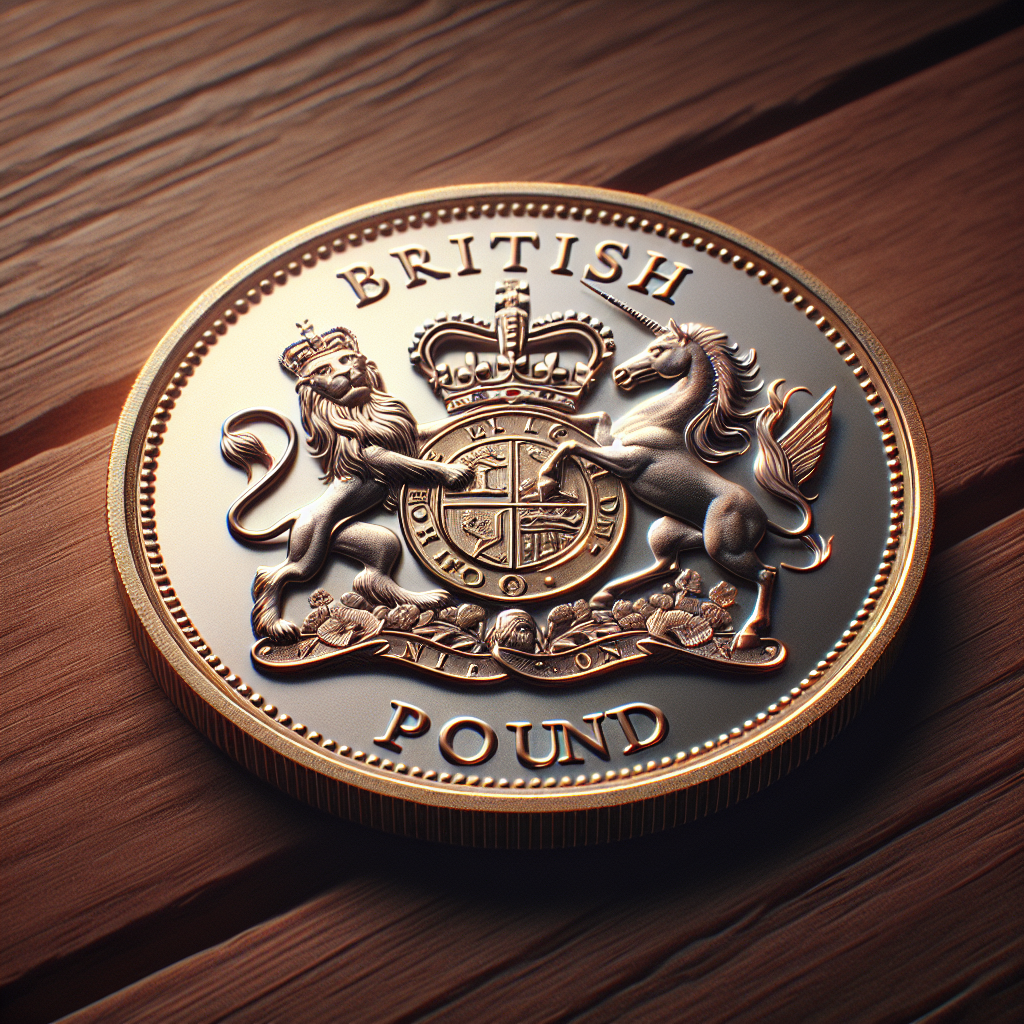
The British pound remained stable against the dollar on Monday as investors awaited updates on U.S.-Iran peace negotiations. Ongoing discussions are crucial, given the current maritime challenges in the Strait of Hormuz, a critical point for global oil and gas trade.
While oil futures surged on Monday, they recorded a significant 20% decline last month—the biggest since March 2020—due to ongoing geopolitical tensions. As Britain heavily relies on energy imports, it remains vulnerable to rising fuel costs despite recent declines.
The pound's resilience during the conflict has been noteworthy, aided by relatively higher British interest rates. The Bank of England, initially anticipated to cut rates, now faces pressure to implement rate hikes to manage inflation influenced by energy costs.
(With inputs from agencies.)


 Google News