



E20 Ethanol Blending: A Step Towards Sustainable Progress
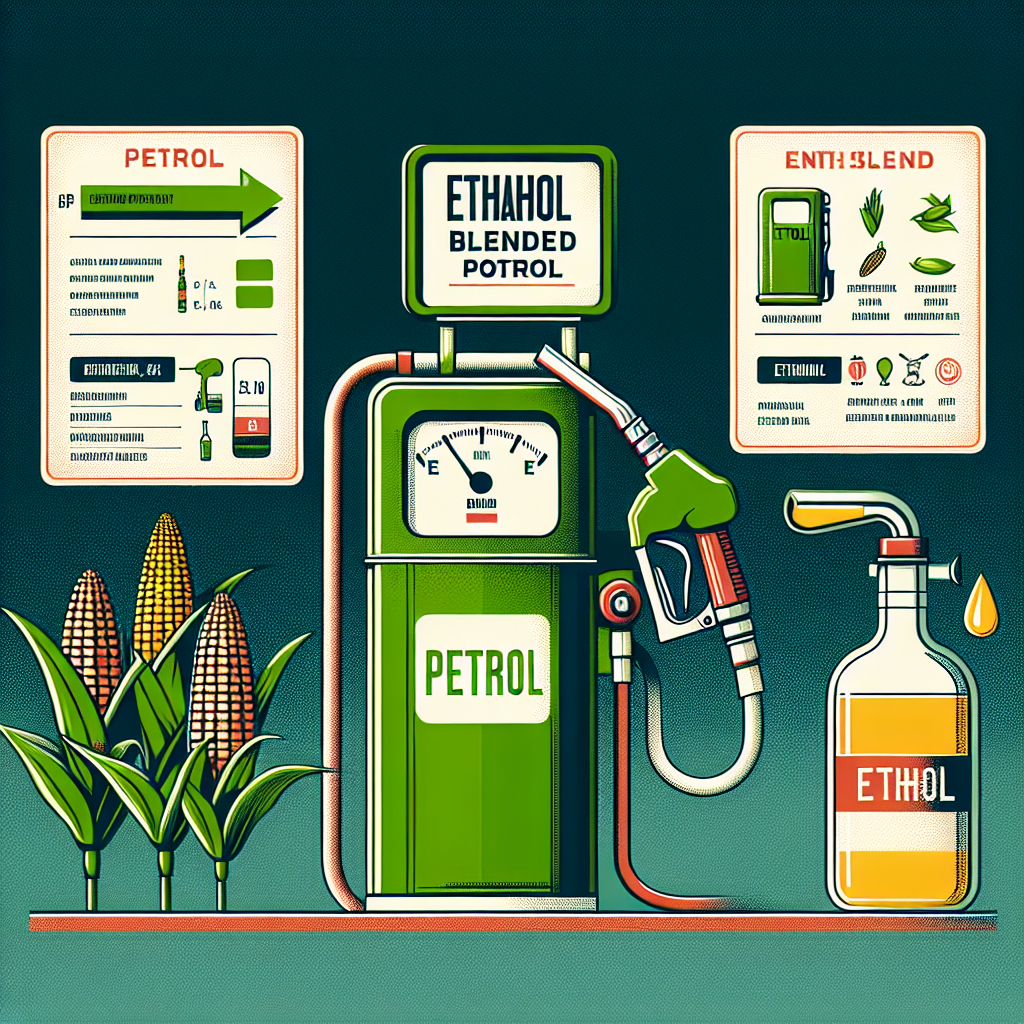
The introduction of 20 per cent ethanol-blended petrol, E20, has slightly reduced fuel efficiency by 2-4%, but the holistic advantages outweigh the costs, according to industry experts. The blending promotes rural prosperity, reduces carbon emissions, and strengthens India's energy independence, despite consumer misconceptions about diminished mileage.
- Country:
- India
The adoption of 20 per cent ethanol-blended petrol, known as E20, has stirred discussions about its impact on fuel efficiency and vehicle warranties. Industry experts, including the Society of Indian Automobile Manufacturers (SIAM) and the Automotive Research Association of India (ARAI), insist that the minor 2-4% drop in efficiency is negligible compared to the vast benefits to the nation, economy, and environment.
Officials address concerns over warranty and efficiency, highlighting that vehicle manufacturers will honor warranties without hesitation. Studies demonstrate no adverse effects on vehicles, and millions have already transitioned smoothly to using E20 without reported breakdowns. Importantly, the shift benefits rural areas by boosting income for farmers involved in ethanol production.
The ethanol blending initiative plays a crucial role in reducing India's crude oil dependence, lowering carbon emissions, and preserving foreign exchange. With significant savings projected, experts like Toyota's Vikram Gulati highlight the broader economic and environmental gains, portraying ethanol blending as a cornerstone of sustainable progress.
(With inputs from agencies.)


 Google News