



Historically high coffee prices could lead to future crises, Illycaffe chair says
Historically high coffee prices are creating a delicate situation that might lead to future crises, Andrea Illy, chairman of Italian roaster Illycaffe, told journalists in Sao Paulo on Thursday. Illy, who met with Brazil's Minister of Agriculture Andre de Paula on Wednesday, said the country was better at meeting the challenges caused by extreme weather, citing more resilient coffee varieties and better agricultural practices.
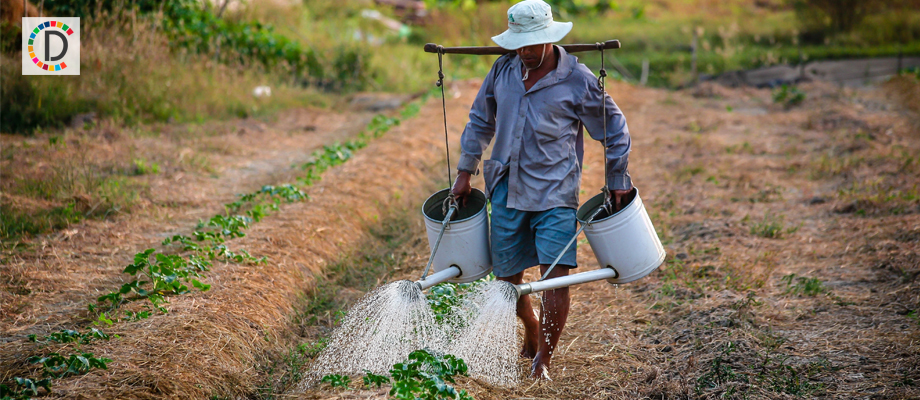
Historically high coffee prices are creating a delicate situation that might lead to future crises, Andrea Illy, chairman of Italian roaster Illycaffe, told journalists in Sao Paulo on Thursday.
Illy, who met with Brazil's Minister of Agriculture Andre de Paula on Wednesday, said the country was better at meeting the challenges caused by extreme weather, citing more resilient coffee varieties and better agricultural practices. "We are also experiencing a scenario of historically high prices; this creates a delicate situation," he said in a press conference. "There is a risk of excessive production expansion and future price crises, as well as the opposite risk of reduced supply caused by extreme weather events." Arabica coffee set an 18-month low of $2.7280 per pound earlier on Thursday, but prices are still elevated when compared to the last decade.
After visiting coffee farms during his trip to the world's top coffee producer, Illy said he expects a bumper crop due to arabica's so-called on season in its biennial cycle and better weather conditions. He said he noted increased planting. "We observed a greater number of new crops, a consequence of higher and more attractive prices for increasing production," he said.
For 2026, the government projects Brazil's total coffee production, including arabica and robusta coffees, at a record 66.2 million 60-kg bags. Complex geopolitical situations like the Iran war have shone a light on the fragility of supply chains, Illy said.
"This highlights the need to increase efficiency, productive autonomy, and resilience in the field," he said. "Resilience today also means producing better, with less dependence on extreme scenarios." Regenerative agriculture, including use of composts and other practices, has played an important role in reducing the Brazilian coffee industry's exposure to problems facing imported mineral fertilizers, Illy said.
Fertilizer costs have increased sharply during the war in Iran, heavily affecting Brazil, which imports around 85% to 90% of its fertilizer needs.
(This story has not been edited by Devdiscourse staff and is auto-generated from a syndicated feed.)
- READ MORE ON:
- Brazilian
- Arabica
- Brazil
- Illy
- â the ​Iran war
- Sao Paulo
- Iran
- Illycaffe
- Andrea Illy
ALSO READ
Tragic Explosion in Sao Paulo Leaves City Reeling
Gas Explosion Sparks Fire in Sao Paulo
Devastating Gas Explosion Rocks Sao Paulo, Causing Widespread Damage
Six-year-old boy drowns in well near school premises in Bareilly; principal among four booked
Six-year-old student dies after falling into well near school in UP's Bareilly


 Google News