



Dollar Strengthens Amid Rising Yields and Middle East Tensions
The dollar strengthened as U.S. inflation drove Treasury yields higher, while oil prices remained elevated amid Middle East tensions. Major currencies fell slightly against the dollar, and market expectations for a Federal Reserve rate hike in December increased. Meanwhile, geopolitical issues, including a U.S.-Israeli conflict, influenced market dynamics.
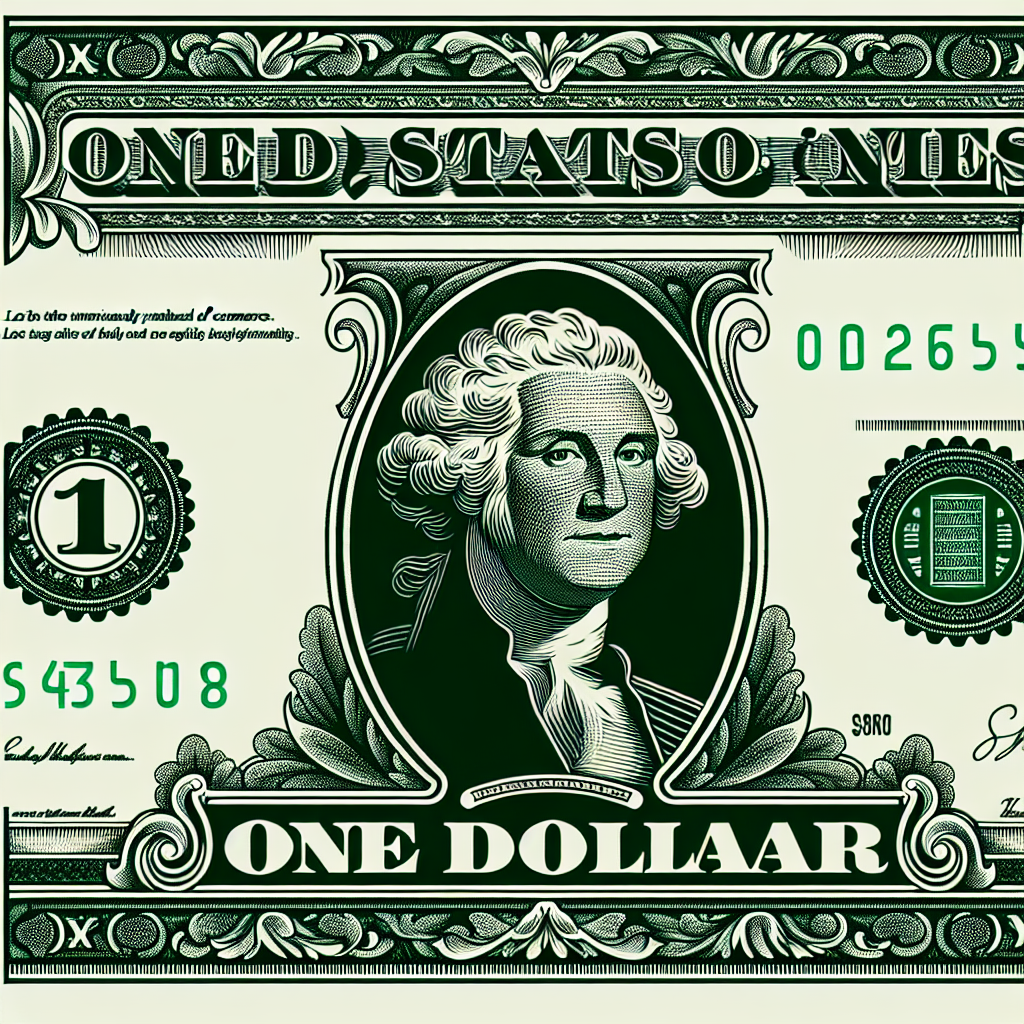
The dollar maintained its upward momentum on Wednesday, nearing a one-week high, as investor sentiment took a hit following a strong U.S. inflation report that pushed Treasury yields upward. Oil prices remained elevated amid renewed uncertainties in the Middle East, further supporting the greenback's position.
The euro was slightly weaker at $1.1735, while the British pound traded at $1.3533, both down roughly 0.05% against the dollar. The risk-sensitive Australian and New Zealand dollars also saw slight declines. The U.S. dollar index held steady at 98.325, closely aligning with its highest levels in a week.
Market dynamics shifted with the U.S. consumer price index rising 3.8% year-on-year through April, the largest increase since May 2023, fueled by geopolitical tensions and the oil shock from the U.S.-Israeli conflict. As yields on U.S. Treasuries reached near seven-week highs, market expectations leaned away from a rate cut by the Federal Reserve this year, with a probable rate hike of 25 basis points in December tracking at 35%.
(With inputs from agencies.)
ALSO READ
Dollar Strengthens Amid Fed Rate Hike Bets and Global Tensions
Dollar Surges as U.S. Inflation Heats Up Amid Trump-Xi Summit
Dollar Surges Amid Middle East Uncertainty and Rising U.S. Inflation
European Stocks Rebound as Oil Prices Stabilize Amid Geopolitical Turmoil
Oil Prices Surge Amid Strait of Hormuz Tensions


 Google News