



Through the Strait: Global Oil Tankers Navigate Blockades Amid U.S.-Iran Tensions
Due to ongoing geopolitical tensions and blockades, oil tankers worldwide face challenges navigating the Strait of Hormuz. Countries such as Japan, UAE, Vietnam, India, South Korea, Thailand, China, and Malaysia are strategically maneuvering to continue oil shipments despite the U.S.-Iran standoff impacting global oil supply logistics.
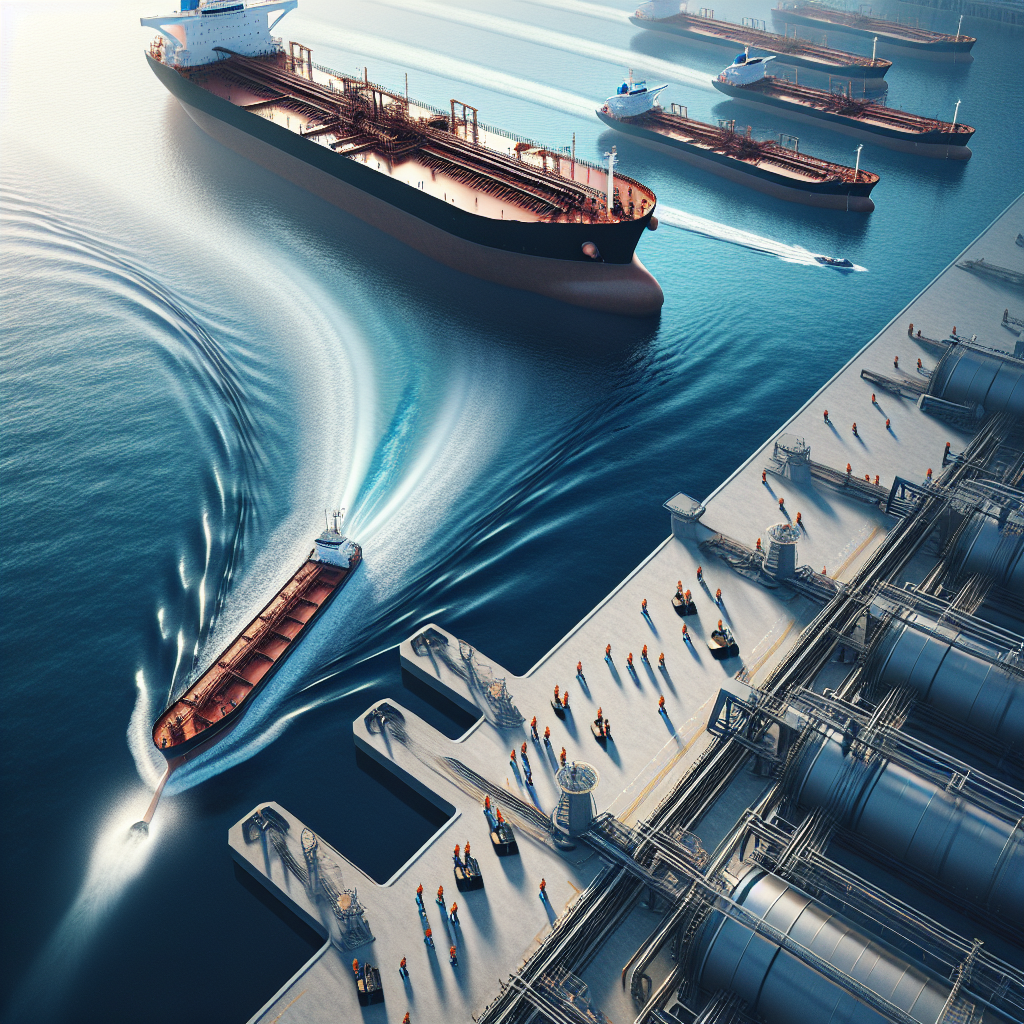
In light of escalating geopolitical tensions, the international oil shipping industry is navigating complex challenges, particularly in the crucial Strait of Hormuz. Countries worldwide, including Japan, UAE, and India, are seeing their tankers traverse this key maritime passage despite persistent blockades.
Data from LSEG and Kpler reveal that numerous non-Iranian tankers have successfully journeyed through the strait since the U.S.-Israeli conflict with Iran commenced in February. For instance, VLCC Eneos Endeavor, managed by Japan's Eneos, carried significant oil consignments from Kuwait and the UAE to Japan, reflecting the resilient logistics solutions adopted by these countries.
Efforts extend beyond Japan, with oil carriers like the Agios Fanourios I redirecting amidst U.S. naval enforcement, highlighting strategic maneuvering planned by Vietnam. Meanwhile, China and Malaysia saw their vessels navigating the strait efficiently, marking significant global shifts in oil trade amid the tense U.S.-Iran relations.
(With inputs from agencies.)
- READ MORE ON:
- oil
- Strait of Hormuz
- tankers
- blockade
- U.S.-Iran
- global supply
- Japan
- UAE
- China
- Kpler


 Google News