



WHO Expands Life-Saving Emergency Care in Africa With Norwegian Investment
The funding aims to train frontline healthcare workers to respond rapidly and effectively to medical emergencies, particularly in low-resource settings where preventable deaths remain high.
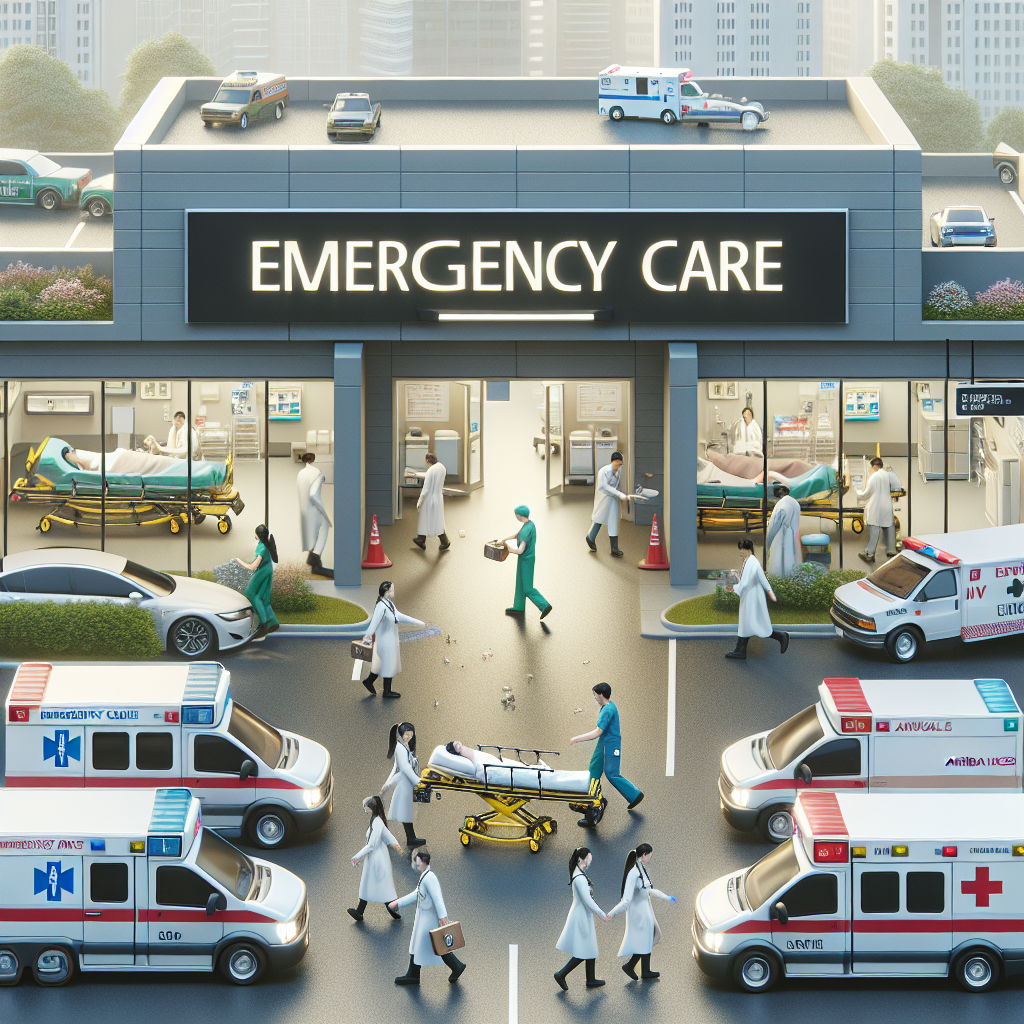
A major new investment from the Norwegian Agency for International Development (Norad) is set to strengthen emergency healthcare systems across Africa, as the World Health Organization (WHO) accelerates efforts to expand access to life-saving medical care through its Basic Emergency Care (BEC) programme.
The announcement was made during a World Health Assembly side event focused on scaling Integrated Emergency, Critical and Operative Care, where Norad pledged US$3 million to support WHO’s Acute Care Transformation through Basic Emergency Care (ACTxBEC) initiative. The funding aims to train frontline healthcare workers to respond rapidly and effectively to medical emergencies, particularly in low-resource settings where preventable deaths remain high.
The investment marks another major step toward improving emergency health systems globally and advancing universal health coverage by ensuring timely emergency treatment is available to everyone, regardless of income or location.
Strengthening Frontline Emergency Care
At the core of WHO’s initiative is a straightforward but highly impactful strategy: equipping first-contact health workers with practical emergency response skills that can save lives during the critical first moments of illness or injury.
The Basic Emergency Care programme was developed by WHO in collaboration with international health partners to train nurses, doctors, clinical officers, ambulance providers, and other frontline medical staff in managing time-sensitive medical conditions.
The programme focuses on recognizing and responding quickly to emergencies such as:
-
Severe injuries and trauma
-
Sepsis and infections
-
Diabetic emergencies
-
Pregnancy complications
-
Breathing difficulties
-
Shock and critical illness
Unlike highly specialized emergency interventions that require expensive infrastructure and advanced technology, BEC emphasizes rapid assessment, structured decision-making, and essential clinical actions that can be applied even in resource-limited healthcare facilities.
Health experts say these early interventions are often the deciding factor between life and death, especially in rural clinics and first-level hospitals where access to specialist care may be limited.
Emergency Care Gap Remains a Major Global Health Challenge
Globally, millions of people die every year from conditions that could be treated successfully with timely emergency care.
Low-income and developing countries are particularly affected due to:
-
Shortages of trained emergency staff
-
Weak referral systems
-
Inadequate ambulance services
-
Lack of essential medical equipment
-
Delays in diagnosis and treatment
According to global health experts, emergency conditions account for a significant proportion of preventable deaths worldwide, including deaths caused by road accidents, childbirth complications, infections, heart disease, and sudden medical emergencies.
The WHO has repeatedly stressed that strengthening emergency care systems is one of the most cost-effective ways to reduce mortality and improve overall health system resilience.
Proven Success in More Than 100 Countries
The WHO’s Basic Emergency Care programme has already been implemented in over 100 countries and has produced strong results across a variety of healthcare settings.
Studies conducted in countries including Liberia, Nepal, Uganda, and Zambia found that introducing BEC training in first-level hospitals resulted in mortality reductions ranging from 34 percent to 50 percent.
These outcomes are particularly significant because they were achieved in everyday clinical environments with limited resources, demonstrating that even relatively simple improvements in emergency response systems can dramatically improve survival rates.
Health specialists say the success of the programme highlights the importance of investing in frontline healthcare capacity rather than relying solely on advanced tertiary care systems.
By improving the skills of healthcare workers at the first point of contact, countries can prevent many emergency conditions from worsening before patients reach specialized hospitals.
Norad Funding to Accelerate WHO’s ACTxBEC Initiative
Norad’s US$3 million contribution comes at a crucial moment for WHO’s broader Acute Care Transformation through BEC (ACTxBEC) initiative.
The initiative aims to raise a total of US$25 million to:
-
Expand BEC training to 1000 health facilities
-
Strengthen emergency care systems globally
-
Save an estimated 50,000 lives annually
WHO officials say the programme will focus particularly on vulnerable and underserved regions where emergency healthcare services remain weak or inaccessible.
The investment will support:
-
Training programmes for healthcare workers
-
Development of emergency care protocols
-
Strengthening referral systems
-
Improving early recognition of critical illnesses
-
Building sustainable emergency care capacity
Growing International Support Through the Lifeline Fund
The ACTxBEC initiative is supported by the WHO Foundation’s Lifeline Fund, which has now secured a total of US$18.5 million in commitments from global partners.
Major contributions include:
-
US$12.5 million from Laerdal Global Health
-
US$3 million from the AKO Foundation
-
US$3 million from Norad
WHO and its partners are continuing efforts to mobilize additional funding and partnerships to expand the initiative further.
The growing international backing reflects increasing recognition that emergency care is a critical but often neglected component of global health systems.
Emergency Care Essential for Universal Health Coverage
WHO officials emphasized that expanding access to emergency care is essential for achieving universal health coverage (UHC), one of the central targets of the United Nations Sustainable Development Goals.
Universal health coverage aims to ensure that all people can access essential healthcare services without suffering financial hardship.
However, experts argue that without effective emergency care systems, health systems cannot truly guarantee universal access to life-saving treatment.
In many low-resource countries, patients continue to die from treatable conditions simply because:
-
Healthcare workers are not adequately trained
-
Emergency services are unavailable
-
Patients arrive too late for treatment
-
Health facilities lack basic emergency protocols
By investing in frontline emergency care capacity, WHO and its partners hope to close these critical gaps and ensure timely treatment becomes a standard part of healthcare delivery rather than a privilege available only in advanced hospitals.
Africa Expected to Benefit Significantly
Although the initiative has global relevance, African countries are expected to benefit significantly from the expanded programme due to ongoing challenges facing emergency healthcare systems across the continent.
Many African nations continue to struggle with:
-
High trauma rates
-
Maternal mortality
-
Infectious disease outbreaks
-
Weak ambulance networks
-
Limited access to critical care services
The WHO believes strengthening first-contact emergency care can significantly reduce preventable deaths while also improving health system preparedness for future crises, including pandemics and climate-related disasters.
Investing in Skills That Save Lives
Health experts increasingly argue that emergency care training is one of the highest-impact investments available in global health.
Unlike large-scale infrastructure projects, training frontline healthcare workers can often produce rapid and measurable improvements in patient outcomes at relatively low cost.
The WHO’s BEC programme demonstrates that structured emergency care approaches can save thousands of lives even in hospitals with limited resources and staffing.
With new international funding and growing global support, WHO now aims to scale the initiative further and ensure that more communities worldwide gain access to rapid, life-saving emergency treatment when it matters most.
- READ MORE ON:
- WHO
- Norad
- Emergency Care
- Africa Health
- Basic Emergency Care
- BEC Programme
- Universal Health Coverage
- Global Health
- Healthcare Workers
- Acute Care Transformation
- WHO Foundation
- Lifeline Fund
- Emergency Medicine
- Frontline Healthcare
- Maternal Health
- Trauma Care
- Public Health
- Health Systems
- Critical Care


 Google News