



Global Leaders Push Stronger Cross-Border Cooperation to Eliminate Malaria and NTDs
Health officials warned that malaria and neglected tropical diseases continue to pose enormous public health threats despite significant gains made over the last two decades.
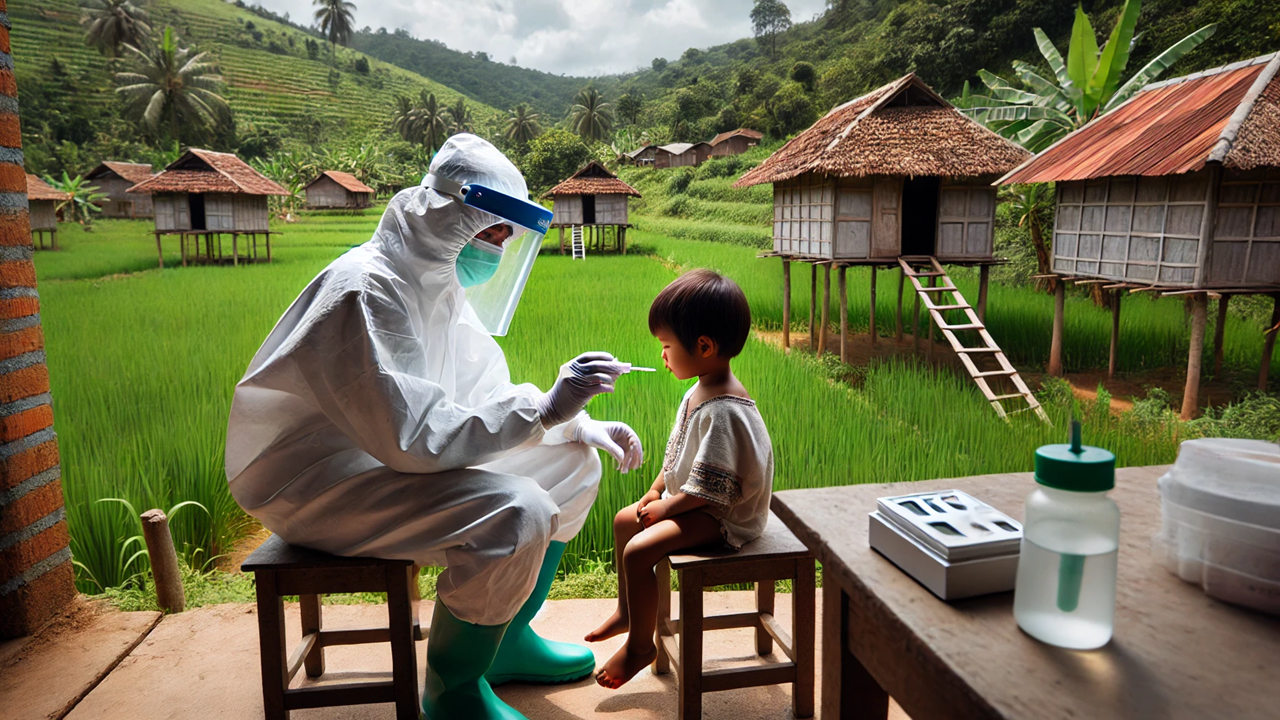
Global health leaders, African governments, donors, and international organizations have renewed calls for urgent action to eliminate malaria and neglected tropical diseases (NTDs), warning that fragile health systems, climate pressures, and declining global funding threaten decades of progress.
The discussions took place during a high-level meeting held on 20 May alongside the Seventy-ninth World Health Assembly, where policymakers and health experts gathered to strengthen international cooperation and accelerate disease elimination efforts across Africa and other vulnerable regions.
The meeting brought together representatives from the African Union Commission, the World Health Organization (WHO), and major global health organizations, including the African Leaders Malaria Alliance (ALMA), the RBM Partnership to End Malaria, The END Fund, and the Drugs for Neglected Diseases initiative (DNDi).
Millions Still at Risk Worldwide
Health officials warned that malaria and neglected tropical diseases continue to pose enormous public health threats despite significant gains made over the last two decades.
According to figures presented during the meeting, malaria affects an estimated 282 million people each year and causes roughly 610,000 deaths annually, with children and pregnant women among the most vulnerable. At the same time, neglected tropical diseases impact nearly one billion people globally, while approximately 1.4 billion people still require interventions and treatment every year.
Global health targets for 2030 aim to achieve:
-
A 90 percent reduction in malaria cases and deaths
-
A 90 percent reduction in the number of people needing NTD interventions
-
Elimination of at least one neglected tropical disease in 100 countries
-
Elimination of malaria in at least 35 countries
-
Prevention of disease resurgence in areas that have already made progress
Officials stressed that although substantial improvements have been achieved through vaccination campaigns, expanded treatment access, disease surveillance, and prevention programs, the fight against these diseases remains far from over.
Progress Made, But Threats Growing
WHO officials highlighted major achievements recorded since 2000.
Over the past two decades, an estimated 2.3 billion malaria cases and 14 million deaths have been prevented worldwide. Meanwhile, the number of people requiring interventions against neglected tropical diseases has fallen dramatically from 2.2 billion in 2010 to 1.4 billion in 2024. Additionally, 63 countries have now eliminated at least one neglected tropical disease.
Forty-seven countries and one territory have also been certified malaria-free over the past 70 years, while 37 countries reported fewer than 1,000 malaria cases in 2024.
However, health leaders cautioned that these achievements remain fragile due to several emerging threats, including:
-
Weak healthcare systems
-
Funding shortages
-
Drug and insecticide resistance
-
Climate change
-
Population displacement and migration
-
Shortages of healthcare workers
Recent reductions in international health financing have further increased concerns about sustaining existing programs and expanding disease control efforts.
Cross-Border Cooperation Seen as Essential
A major focus of the meeting was the growing importance of cross-border cooperation in controlling infectious diseases.
Experts warned that malaria and neglected tropical diseases do not respect national borders. Increased migration, trade activity, climate-related displacement, and population movement are allowing diseases and disease-carrying insects to spread more easily between countries.
Border communities often face poor healthcare access, weak surveillance systems, and limited disease prevention resources, making them especially vulnerable.
Participants emphasized that disease elimination efforts can fail if neighboring countries do not coordinate prevention and surveillance measures effectively.
Health ministers and officials from ten African nations participated in discussions, including representatives from Liberia, Senegal, and Tanzania.
Senegal’s Minister of Health and Public Hygiene, Dr. Ibrahima Sy, stressed the need for stronger national ownership and regional collaboration in response to declining international support. He noted that countries must increasingly mobilize domestic resources while strengthening surveillance and coordination across borders.
Push for Integrated Health Systems
Participants also called for a shift away from fragmented disease-specific programs toward more integrated health systems capable of handling multiple health threats simultaneously.
Officials argued that combining malaria and NTD services within broader national healthcare systems would improve efficiency, reduce costs, and ensure wider access to treatment and prevention services.
Integrated systems are viewed as particularly important in remote or underserved regions where healthcare resources are limited.
Experts believe stronger coordination between countries and healthcare sectors could help maintain high treatment coverage while improving long-term sustainability.
New Regional Cooperation Framework Emerging
One of the meeting’s key developments was progress toward a new Memorandum of Understanding (MoU) aimed at strengthening cross-border cooperation on malaria and neglected tropical diseases.
The proposed agreement builds on commitments previously endorsed by African ministers during the Seventy-eighth World Health Assembly.
Initially focused on NTDs, the framework is now being expanded to include malaria prevention and control efforts as well.
The planned MoU is expected to support:
-
Joint disease surveillance systems
-
Information sharing between countries
-
Coordinated outbreak response mechanisms
-
Cross-border prevention campaigns
-
Regional preparedness planning
Health leaders said the agreement could become a major step toward more structured and long-term regional cooperation.
Climate Change Increasing Health Risks
Climate change emerged as another major concern during discussions.
Rising temperatures, changing rainfall patterns, flooding, and environmental disruption are altering the spread of mosquitoes and other disease vectors, potentially exposing new regions to malaria and other infectious diseases.
Officials warned that climate-related health risks are expected to grow in the coming years, making stronger surveillance and adaptable healthcare systems increasingly important.
Calls for Sustained Global Investment
International organizations and health advocates urged governments and donors not to reduce support for disease elimination programs despite growing global economic pressures.
The END Fund’s Vice-President, Dr. Carol Karutu, highlighted the need for coordinated investment involving governments, pharmaceutical companies, development agencies, and implementing partners.
Leaders argued that eliminating malaria and neglected tropical diseases is critical not only for public health but also for broader economic and social development goals.
Reducing disease burdens can improve school attendance, strengthen workforce productivity, reduce poverty, and enhance food security across vulnerable regions.
Goal of a Disease-Free Future
The meeting concluded with renewed commitments from WHO and partner organizations to continue supporting countries through technical guidance, innovation, disease surveillance, and financial cooperation.
Global health leaders stressed that achieving the Sustainable Development Goal target of ending epidemics of malaria and neglected tropical diseases by 2030 will require stronger political commitment, sustained funding, and coordinated international action.
While significant challenges remain, participants said the progress achieved over recent decades demonstrates that elimination is possible if countries continue working together with urgency and shared responsibility.
- READ MORE ON:
- World Health Assembly
- malaria elimination
- neglected tropical diseases
- WHO
- African Union
- global health
- cross-border cooperation
- malaria prevention
- disease elimination
- health systems
- Africa health initiatives
- climate change and health
- The END Fund
- RBM Partnership
- public health
- disease surveillance
- Sustainable Development Goals
- healthcare funding
- tropical diseases
- international health cooperation


 Google News