



SA Reports Gains in Water, Electricity and Housing Access Over Two Decades
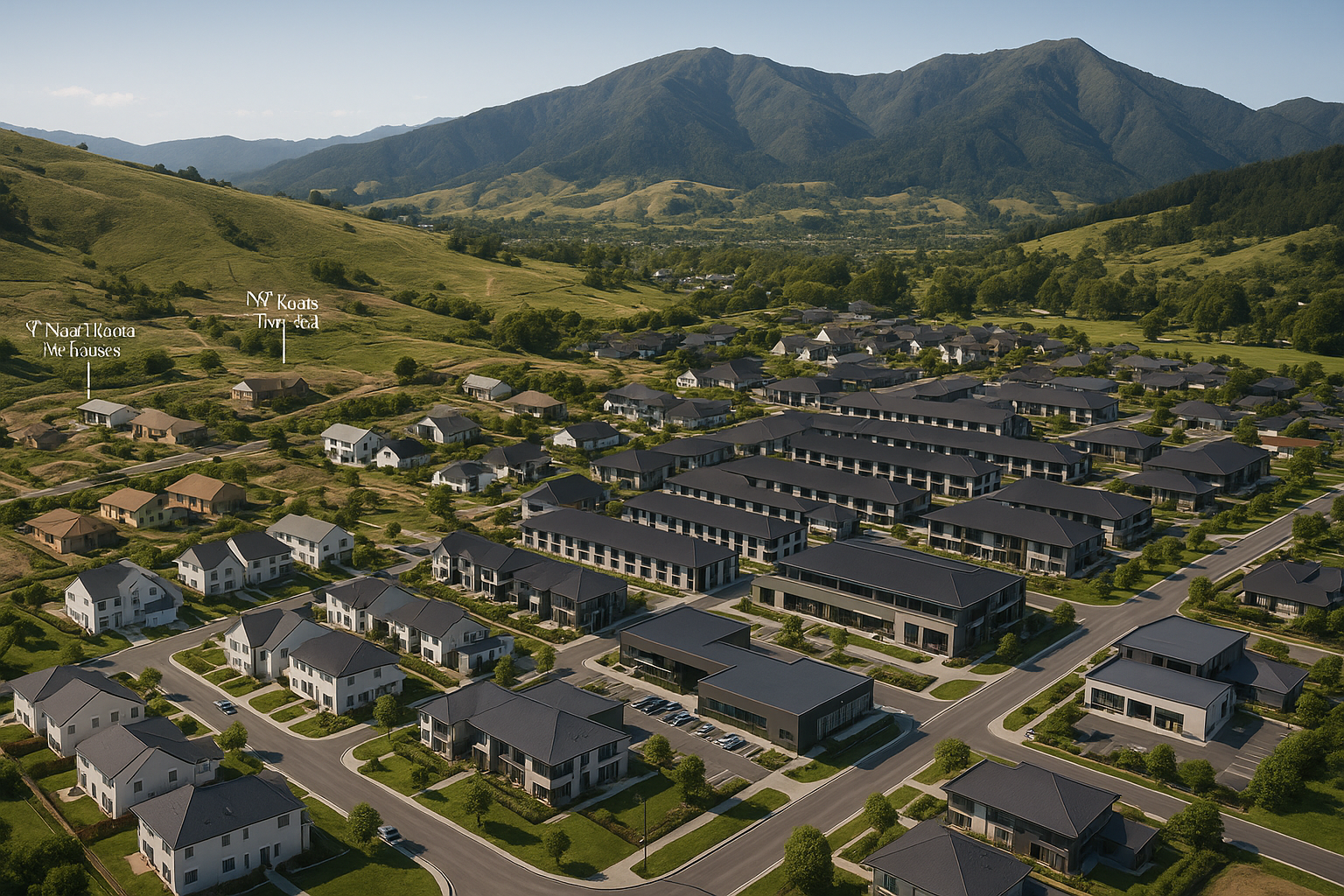
South Africa has implemented one of the world’s largest state-supported housing programmes since 1994, aimed at addressing historical inequalities and housing shortages.
- Country:
- South Africa
The South African government has welcomed the findings of the 2025 General Household Survey (GHS), which shows significant long-term improvements in household access to electricity, sanitation, water, formal housing and digital connectivity since the early years of democracy.
The survey, released by Statistics South Africa, highlights steady progress in improving living conditions through continued public investment in infrastructure, social services, housing, and development programmes over the past 23 years.
According to the Government Communication and Information System (GCIS), the findings demonstrate that democratic South Africa has continued expanding access to essential services while improving the overall quality of life for millions of households.
Major Improvements Recorded in Basic Services
The 2025 survey reveals notable gains across several key development indicators between 2002 and 2025.
Formal Housing Expands Significantly
Access to formal dwellings increased from:
-
73.5% in 2002to:
-
84.2% in 2025
representing a rise of:
-
10.7 percentage points
The increase reflects continued government investment in:
-
Housing infrastructure
-
Human settlements
-
Urban development programmes
-
Informal settlement upgrading
South Africa has implemented one of the world’s largest state-supported housing programmes since 1994, aimed at addressing historical inequalities and housing shortages.
Electricity Access Nears Universal Coverage
The survey also recorded major progress in access to electricity.
Household electricity access increased from:
-
76.7% in 2002to:
-
90.6% in 2025
The report noted that the increase has also been accompanied by:
-
Reduced reliance on traditional fuels
such as:
-
Wood
-
Coal
-
Paraffin
which are often linked to indoor pollution and health risks.
Despite ongoing national electricity supply challenges and load-shedding pressures, the expansion of household electrification remains one of the country’s major post-apartheid infrastructure achievements.
Sanitation and Water Access Improve
Access to improved sanitation and piped water services also rose substantially over the review period.
According to the survey:
-
Access to improved sanitation increased from 61.7% in 2002 to 84.0% in 2025
The improvements include wider access to:
-
Flush toilets
-
Ventilated pit toilets
-
Piped water infrastructure
The Government described the reduction in unsafe and inadequate sanitation systems as a particularly important achievement in improving public health and dignity.
Digital Connectivity Continues Expanding
The survey further highlighted growing access to:
-
Mobile communication
-
Internet connectivity
across households.
Officials said the findings reflect South Africa’s gradual progress toward becoming a more digitally connected society.
Expanding connectivity has become increasingly important for:
-
Education
-
Employment
-
Financial inclusion
-
Government services
-
Small business development
particularly in rural and underserved communities.
Government Credits Long-Term Public Investment
In its response to the report, the GCIS said the improvements were the result of:
-
Sustained public investment
-
Coordinated service delivery
-
Multi-level government cooperation
The government particularly highlighted progress in:
-
Household infrastructure
-
Living standards
-
Housing access
-
Sanitation improvements
“These gains are the result of sustained public investment and coordinated service delivery efforts across all spheres of government,” the GCIS said.
Social Grants Continue Supporting Millions
The survey also underscored the importance of South Africa’s extensive social support system in helping vulnerable households cope with poverty and economic hardship.
According to the report:
-
Social grants reached 39.5% of individuals
-
More than half of all households (50.6%) benefited from grants
The findings further showed that:
-
Nearly 23.4% of households rely primarily on grants as their main source of income
South Africa’s social grant system includes:
-
Child support grants
-
Old-age pensions
-
Disability grants
-
Social relief programmes
which collectively form one of the largest welfare systems in the developing world.
Government Says Survey Demonstrates State Progress
The GCIS stated that the survey findings provide evidence that government programmes and public investments are producing measurable outcomes.
Officials said the data helps authorities:
-
Improve planning
-
Strengthen resource allocation
-
Enhance service delivery interventions
-
Identify development gaps
“Importantly, the findings bear testament to a government that is working,” the GCIS stated.
Challenges Remain Despite Progress
While welcoming the improvements, the government acknowledged that many South Africans still face serious socio-economic challenges, including:
-
Poverty
-
Unemployment
-
Infrastructure backlogs
-
High living costs
-
Economic inequality
South Africa continues to struggle with one of the world’s highest unemployment rates and deep structural inequality inherited from apartheid-era policies.
The government said it remains focused on:
-
Infrastructure development
-
Economic recovery programmes
-
Targeted reforms
-
Public-private partnerships
-
Livelihood support initiatives
to improve long-term living standards and create sustainable economic opportunities.
Survey Seen as Important Development Indicator
The General Household Survey is one of South Africa’s key national statistical tools used to monitor:
-
Service delivery
-
Living conditions
-
Household welfare
-
Access to infrastructure
-
Social development trends
The 2025 findings are expected to play an important role in shaping:
-
Government policy planning
-
Development priorities
-
Budget allocations
-
Social support strategies
in the coming years.
The latest report reflects both the progress made since 2002 and the continuing pressures facing the country as it works to improve inclusive development and reduce inequality.


 Google News