



Centre Plans Water Metro Expansion Across 18 Indian Cities, Guwahati Among First Phase Destinations
Describing the initiative as a “golden opportunity,” the Minister said India’s waterways sector is poised to play a transformative role in the country’s future transport landscape.
- Country:
- India
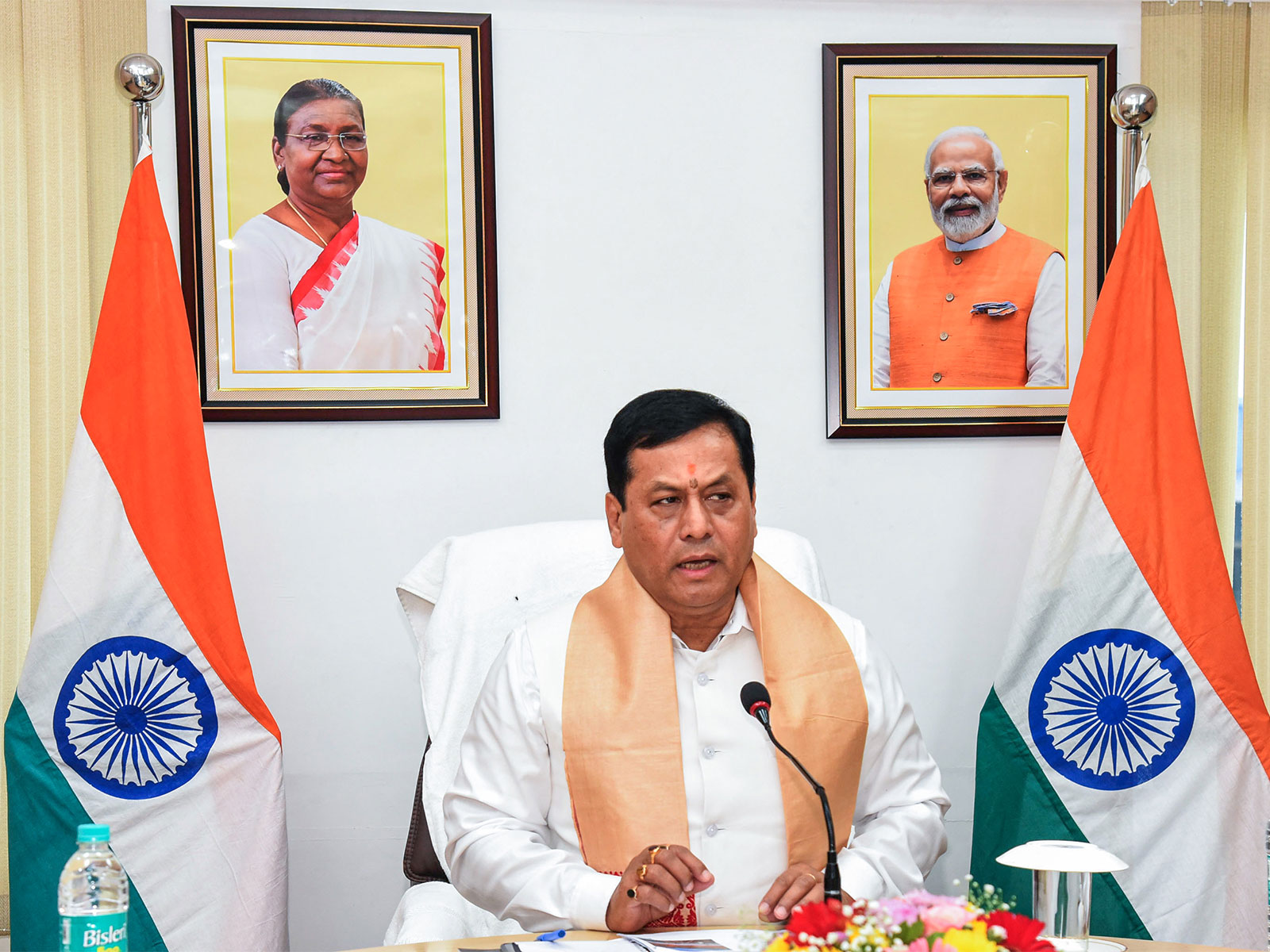
The Central Government has advanced plans to introduce Water Metro services in 18 cities across India as part of a major push to transform inland waterways into sustainable urban transport corridors, Union Minister of Ports, Shipping and Waterways Sarbananda Sonowal announced during a high-level review meeting.
The proposed initiative, inspired by the success of the Kochi Water Metro, aims to establish modern, eco-friendly, and efficient water-based public transportation systems in cities with navigable waterways.
The Ministry of Ports, Shipping & Waterways (MoPSW) is simultaneously moving ahead with the Draft National Water Metro Policy, 2026, which has now been circulated for inter-ministerial consultations as the government seeks to establish a national framework for urban water transport.
Guwahati Among Cities Selected for Phase I
According to Union Minister Sarbananda Sonowal, Guwahati has been identified as one of the key cities in Phase I of the Water Metro rollout.
Other cities included in the first phase are:
-
Srinagar
-
Patna
-
Varanasi
-
Ayodhya
-
Prayagraj
In Assam, Tezpur and Dibrugarh have also been proposed for inclusion under Phase II of the programme.
The initiative marks one of India’s most ambitious attempts to integrate waterways into mainstream urban transportation infrastructure.
Building on the Success of Kochi Water Metro
The expansion strategy is being developed based on lessons learned from the Kochi Water Metro project, which has emerged as a successful model for urban water-based mobility in India.
The government now intends to replicate and scale this model across multiple cities with suitable waterways.
Officials say the proposed Water Metro systems are expected to serve both:
-
Daily urban commuters
-
Tourism and leisure transport needs
The systems will operate across navigable rivers, lakes, canals, and waterfront corridors.
Water Metro Seen as Affordable and Sustainable Transport Solution
Speaking during the review meeting, Sarbananda Sonowal highlighted several advantages of water-based urban transport systems compared to conventional road and rail infrastructure.
“The proposed Water Metro systems are significantly less capital intensive as they utilise existing waterways with minimal civil infrastructure,” the Minister said.
According to Sonowal, Water Metro projects offer:
-
Faster construction timelines
-
Lower land acquisition requirements
-
Reduced operational costs
-
Eco-friendly transportation alternatives
-
Reduced urban congestion
The Minister noted that the use of electric and hybrid ferries would make the system both economically viable and environmentally sustainable.
“These services will contribute to reducing congestion in cities while offering a comfortable, scenic and smoother commuting experience,” he added.
Draft National Water Metro Policy 2026 Under Consultation
The Ministry has now circulated the Draft National Water Metro Policy, 2026 for inter-ministerial consultation and further engagement with state governments.
Sonowal stressed the importance of involving state governments in the consultation process to gather suggestions and ensure better coordination for implementation.
The proposed policy aims to establish a standardised national framework covering:
-
Vessel design
-
Safety protocols
-
Charging and bunkering infrastructure
-
Terminal development
-
Passenger amenities
-
Navigation systems
-
Multimodal integration
Officials say the policy will also encourage indigenisation in vessel construction and promote green propulsion technologies.
Focus on Green and Future-Ready Transport Systems
The Union Minister said the initiative aligns with Prime Minister Narendra Modi’s emphasis on sustainable and green mobility solutions.
“Under PM Narendra Modi ji’s leadership, a strong emphasis has been placed on green technologies, with hybrid and electric propulsion systems encouraged alongside periodic technological upgrades,” Sonowal stated.
The government plans to prioritise:
-
Hybrid ferries
-
Electric ferries
-
Energy-efficient infrastructure
-
Low-emission transportation systems
The Water Metro initiative is expected to support India’s broader climate and clean mobility goals while reducing pressure on overcrowded urban road networks.
Cities With Suitable Waterways to Get Priority
Explaining the selection criteria for Water Metro projects, Sonowal said cities with suitable geographic and waterway conditions would receive priority.
These include cities with:
-
Continuous or semi-continuous waterways
-
Populations exceeding one million
-
Significant transport demand
-
Tourism corridors and waterfront potential
However, the Minister clarified that exceptions may be made where projects can significantly reduce road congestion, improve access to remote regions, or strengthen resilience during floods and natural disruptions.
Comprehensive Infrastructure Ecosystem Planned
The proposed Water Metro framework will involve much more than ferry services alone.
The development model includes an integrated ecosystem covering:
-
Ferries and vessels
-
Pontoons and jetties
-
Passenger terminals
-
Charging and bunkering stations
-
Navigation systems
-
Passenger amenities
-
Safety infrastructure
The Ministry said the ecosystem approach is intended to ensure long-term operational efficiency, passenger comfort, and standardised services nationwide.
Multiple Funding Models Under Consideration
Officials revealed that several financing models are being evaluated for the Water Metro expansion programme.
Possible models include:
-
Joint Centre-State funding
-
Fully State-funded projects
-
Public-Private Partnerships (PPP)
-
Fully Centre-funded projects
The Ministry also emphasised the need for cost optimisation through:
-
Efficient route planning
-
Fleet rationalisation
-
Better operational management
to ensure long-term financial sustainability.
Feasibility Studies Underway Across 18 Locations
The Inland Waterways Authority of India (IWAI) had earlier entrusted Kochi Metro Rail Limited (KMRL) with conducting feasibility studies for 18 cities on 25 February 2025.
The studies include assessments of:
-
Existing public transport systems
-
Passenger demand estimates
-
Financial viability (FIRR)
-
Economic viability (EIRR)
-
Multimodal transport integration
According to the Ministry:
-
Site visits have been completed for all 18 locations
-
Draft feasibility reports have been submitted for 17 cities
-
Lakshadweep remains pending
Feasibility reports for:
-
Srinagar
-
Patna
-
Guwahati
-
Varanasi
-
Ayodhya
have already been accepted.
Focus on Maritime Heritage and Regional Identity
Speaking about the Draft National Water Metro Policy, Sonowal emphasised that India’s maritime heritage and local culture should be reflected in the architecture and design of Water Metro infrastructure.
He stressed the importance of:
-
Landscape-sensitive planning
-
Regionally appropriate building materials
-
Preservation of local identity and aesthetics
The Minister said Water Metro projects should not only improve transport but also enhance the beauty, reputation, and cultural legacy of cities.
Youth Participation and Public Awareness Encouraged
Sonowal also called for stronger public engagement and awareness campaigns, particularly involving young students and local communities.
He said quantifying fuel savings, environmental benefits, and sustainability outcomes should become a major communication focus to build public support for water-based mobility.
Water Metro Seen as Part of India’s Transport Revolution
Describing the initiative as a “golden opportunity,” the Minister said India’s waterways sector is poised to play a transformative role in the country’s future transport landscape.
He stressed that the Ministry of Ports, Shipping and Waterways has a critical responsibility in driving India’s next phase of sustainable and inclusive transport innovation.
Officials believe the Water Metro programme could significantly reshape urban mobility by reducing congestion, lowering emissions, improving connectivity, and creating more efficient transport alternatives in river-based and waterfront cities across India.
- READ MORE ON:
- Water Metro
- Sarbananda Sonowal
- Ministry of Ports Shipping and Waterways
- Inland Waterways
- Kochi Water Metro
- Guwahati
- Sustainable Transport
- Electric Ferries
- Urban Mobility
- India Infrastructure
- National Water Metro Policy 2026
- Green Transport
- IWAI
- Public Transport
- Smart Cities
- India Waterways


 Google News