



Crisis in the Strait: Regional Tensions and Ceasefire Maneuvers
Israel and Lebanon have extended their ceasefire, amid complex regional conflicts involving Iran. The White House meeting, brokered by Trump, aims for a lasting peace deal. Despite the ceasefire, skirmishes continue, with U.S. forces on alert in the Strait of Hormuz. Economic repercussions are felt globally.
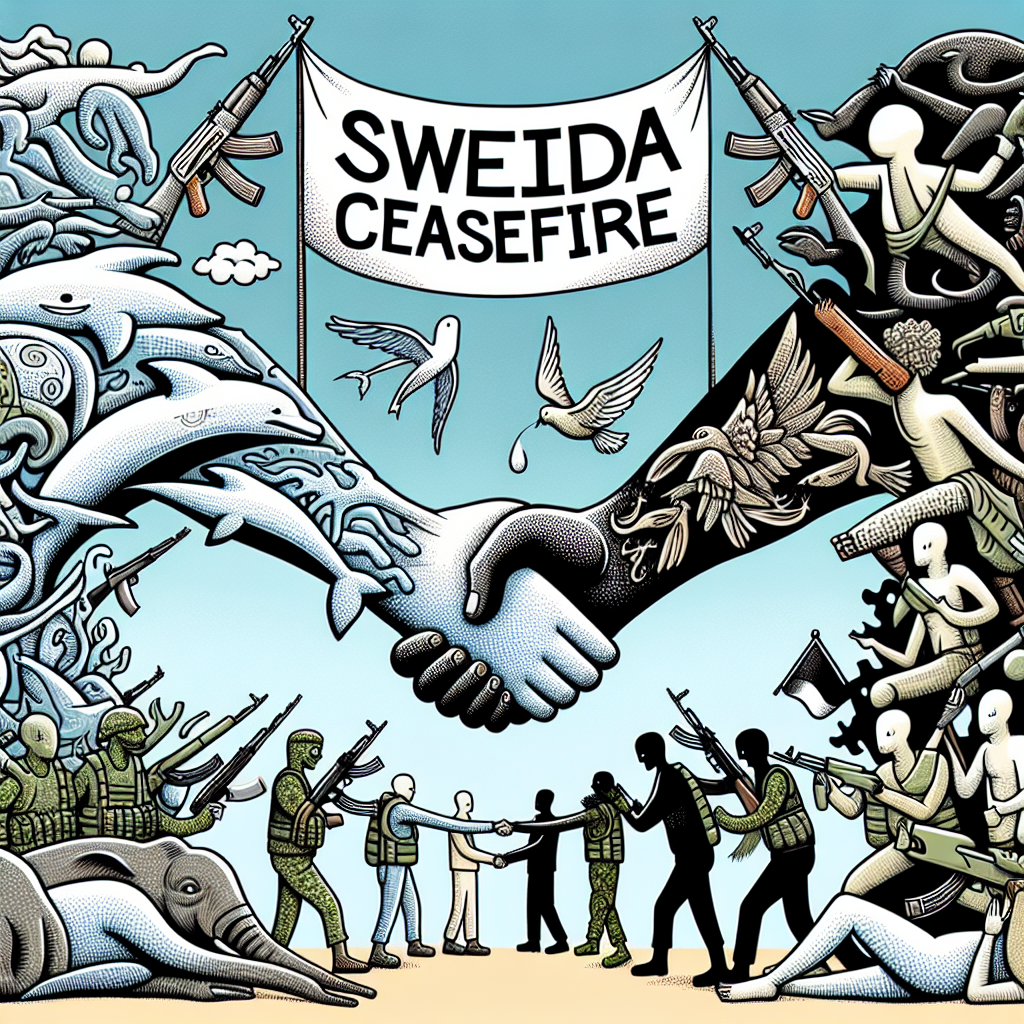
Israel and Lebanon extended their ceasefire for three additional weeks through negotiations officially brokered by the White House, amid ongoing regional tensions with Iran. President Donald Trump emphasized the goal of achieving an enduring peace agreement, even as intractable issues like the control of the Strait of Hormuz persist.
Recent developments saw the U.S. struggle to maintain dominance in the strait, pivotal for global oil markets, especially after Iran captured two cargo ships. This incident cast doubt on Trump's claims of U.S. superiority, showcasing Iran's adaptable naval tactics in response to U.S. actions.
Despite the announced ceasefire, violence erupted again in southern Lebanon, as Israeli forces targeted Hezbollah positions. The region's instability continues to challenge diplomatic efforts, with economic impacts reverberating worldwide as oil prices fluctuate and global markets respond to the ongoing strife.
(With inputs from agencies.)
- READ MORE ON:
- Israel
- Lebanon
- ceasefire
- Trump
- Iran
- Hezbollah
- Strait of Hormuz
- oil prices
- global economy
- U.S.
ALSO READ
U.S. Agrees to Waive Sanctions on Iran's Oil Exports During Talks
Tensions Escalate: Hezbollah Strikes Back Amid U.S.-Brokered Ceasefire
Clock Ticking: The Delicate Balance of Iran-US Peace Negotiations
Tensions Rise as Iran-U.S. Peace Efforts Stall Amid Ceasefire
Germany Urges Iran to Cease Aggression and Open Hormuz


 Google News