



IAEA Review Finds Lithuania’s Nuclear and Radiation Safety System Strong and Continuously Improving
The mission concluded that Lithuania has developed a comprehensive regulatory system covering all major aspects of nuclear and radiation safety.
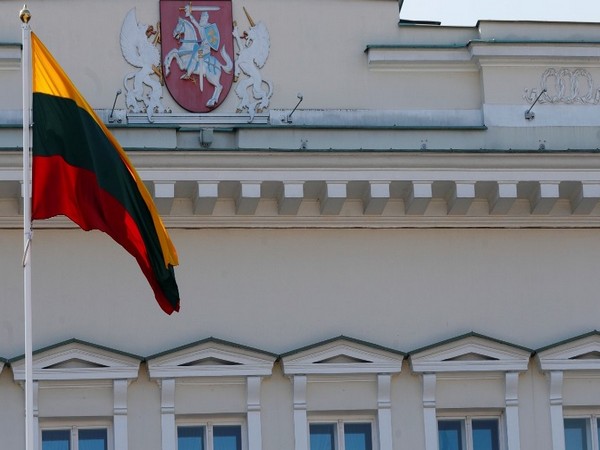
Lithuania has been recognized for maintaining a strong, mature, and continuously improving nuclear and radiation safety regulatory framework following an extensive review conducted by an International Atomic Energy Agency (IAEA) mission of international experts. The assessment concluded that the country has established a robust system for overseeing nuclear and radiation safety while demonstrating a clear commitment to strengthening regulatory performance and aligning with evolving international standards.
The findings were presented at the conclusion of a 12-day Integrated Regulatory Review Service (IRRS) mission, during which international experts examined Lithuania’s regulatory infrastructure responsible for ensuring the safe use of nuclear technologies, radioactive materials, and radiation sources. The review focused on the activities of the State Nuclear Power Safety Inspectorate (VATESI) and the Radiation Protection Centre (RSC), which operate under the Ministry of Health.
The IRRS programme is one of the IAEA’s key peer-review mechanisms, designed to help countries evaluate and improve their national regulatory systems using internationally recognized safety standards and best practices. While each country retains responsibility for ensuring nuclear and radiation safety within its borders, the review process provides an independent assessment and facilitates the exchange of international expertise.
Lithuania’s nuclear sector occupies a unique position in Europe. Although the country no longer operates commercial nuclear reactors, the Ignalina Nuclear Power Plant (INPP), once one of the region’s largest nuclear facilities, remains a major focus of regulatory oversight as it undergoes a complex decommissioning process. The site also hosts facilities for spent nuclear fuel storage and radioactive waste management, making effective regulation critical to long-term environmental and public safety.
Beyond nuclear power, Lithuania oversees a wide range of radiation-related activities across healthcare, scientific research, industry, and other sectors where radioactive sources are used. This broad scope requires comprehensive regulatory systems capable of managing diverse safety challenges while protecting both workers and the public.
International Experts Conduct Comprehensive Assessment
The review mission brought together a team of 12 experts from Egypt, Finland, France, Germany, Hungary, India, Ireland, Italy, Portugal, Romania, Singapore, and Sweden, alongside two specialists from the IAEA.
Throughout the mission, the team conducted a detailed examination of Lithuania’s legal framework, regulatory policies, inspection procedures, organizational structures, and operational practices. Experts reviewed legislation and documentation, interviewed regulatory staff, and held technical discussions with representatives from VATESI and the RSC.
To gain first-hand insight into regulatory implementation, the team also observed inspections and safety oversight activities at several facilities. These included the Ignalina Nuclear Power Plant, the radiology department of a private healthcare facility known as UAB InMedica, and an industrial company, UAB Polimaster Europe, which utilizes radiation-related technologies.
The site visits allowed reviewers to assess how regulatory requirements are applied in practice and how safety standards are maintained across different sectors.
Recognition for a Mature Regulatory Framework
The mission concluded that Lithuania has developed a comprehensive regulatory system covering all major aspects of nuclear and radiation safety. According to the review team, both VATESI and the Radiation Protection Centre have demonstrated a strong commitment to continuous improvement and maintaining high safety standards.
Mika Markkanen, who led the review team and serves as Principal Advisor for Finland’s Radiation and Nuclear Safety Authority (STUK), praised Lithuania’s regulatory framework and highlighted the dedication of both institutions to enhancing their performance.
The review acknowledged that Lithuania has successfully built a mature oversight structure capable of addressing both current and future safety challenges while ensuring compliance with international expectations.
For Lithuanian authorities, the mission also provided an opportunity to benchmark national practices against international standards and identify areas where further improvements could strengthen the regulatory system.
Michail Demčenko, Head of VATESI, emphasized that the review offered valuable insights that would help guide future enhancements to Lithuania’s nuclear and radiation safety infrastructure.
Examples of International Good Practice
The IRRS mission identified several areas where Lithuania’s approach could serve as a model for other countries.
One notable example involves the government’s programme for regularly assessing the performance of supervisory authorities, including both VATESI and the Radiation Protection Centre. The mechanism evaluates regulatory effectiveness using a range of indicators related to oversight quality, risk-based inspection practices, administrative efficiency, and the adoption of modern regulatory tools.
By systematically reviewing performance and identifying areas for improvement, the programme helps ensure that regulatory institutions remain effective, transparent, and responsive to emerging challenges.
The review team also highlighted the Radiation Protection Centre’s efforts to improve public access to information. Through a national public information campaign and the use of digital communication tools, the agency has taken significant steps to enhance transparency and raise public awareness regarding radiation protection issues.
Such initiatives are increasingly important in fostering public trust and ensuring that communities have access to accurate information about radiation risks and safety measures.
Areas for Further Improvement
Although the review did not identify any major deficiencies within Lithuania’s regulatory framework, experts noted several opportunities for further alignment with IAEA Safety Standards.
One recommendation focused on improving coordination and cooperation between VATESI and the Radiation Protection Centre, particularly in situations involving radioactive sources that may be used both inside and outside nuclear facilities. Enhanced collaboration could strengthen oversight and ensure greater consistency across regulatory activities.
The review also suggested that the Radiation Protection Centre consider developing additional methods for evaluating the effectiveness of its inspection programmes. Expanding performance assessment tools could provide deeper insights into inspection outcomes and support continuous improvement efforts.
Another recommendation called for ensuring that all radioactive sources are appropriately categorized according to risk, in line with international regulations governing the safe transport of radioactive materials. Accurate categorization is essential for determining appropriate safety measures and regulatory controls.
In the area of emergency preparedness, experts recommended that VATESI establish regular mechanisms for testing and evaluating emergency response functions using predefined performance criteria. Such exercises can help identify weaknesses, improve readiness, and strengthen the ability to respond effectively to potential incidents.
Supporting Long-Term Safety and Public Confidence
Officials from both VATESI and the Radiation Protection Centre welcomed the review’s findings and recommendations, viewing them as valuable tools for further strengthening Lithuania’s safety framework.
Ernestas Jasaitis, Director of the Radiation Protection Centre, emphasized the importance of international cooperation and knowledge sharing in achieving the common goal of protecting people and the environment from the harmful effects of ionizing radiation.
The review comes at a time when many countries are reassessing their nuclear energy strategies and strengthening regulatory frameworks in response to evolving technological, environmental, and security considerations. Robust regulation remains essential not only for ensuring safety but also for maintaining public confidence in the use of nuclear and radiation technologies.
The Role of IAEA Safety Standards
At the heart of the IRRS process are the IAEA Safety Standards, which provide a globally recognized framework for protecting people and the environment from radiation-related risks.
The standards establish fundamental principles, requirements, and guidance covering all aspects of nuclear and radiation safety. Developed through international collaboration and expert consensus, they serve as a benchmark for regulatory systems worldwide.
By aligning national practices with these standards, countries can strengthen safety performance, enhance transparency, and promote international confidence in their regulatory frameworks.
The final report from the IRRS mission is expected to be delivered to the Government of Lithuania within approximately three months. It will include detailed findings, recommendations, and suggestions intended to support the continued evolution of Lithuania’s nuclear and radiation safety system.
The review’s overall conclusion reflects a positive assessment of Lithuania’s regulatory performance while reaffirming the importance of continuous improvement. As the country advances its nuclear decommissioning efforts and continues overseeing a wide range of radiation-related activities, maintaining strong regulatory institutions will remain essential for safeguarding public health, environmental protection, and long-term safety.
- READ MORE ON:
- IAEA
- Lithuania
- Nuclear Safety
- Radiation Safety
- VATESI
- Radiation Protection Centre
- IRRS Mission
- Nuclear Regulation
- Ignalina Nuclear Power Plant
- Radioactive Waste Management
- Radiation Protection
- Nuclear Decommissioning
- Nuclear Oversight
- International Atomic Energy Agency
- Regulatory Framework
- Public Safety
- Radiation Monitoring
- Nuclear Governance
- Safety Standards
- Emergency Preparedness


 Google News