



European Unity: Choosing the Negotiator for Talks with Russia
European Union foreign ministers convened in Cyprus to affirm a united stance regarding potential negotiations with Russia over the conflict in Ukraine. Rejecting President Putin's suggestion for former German chancellor Gerhard Schroeder as Europe's representative, the ministers stressed the importance of solidarity and a common approach without Russian influence.
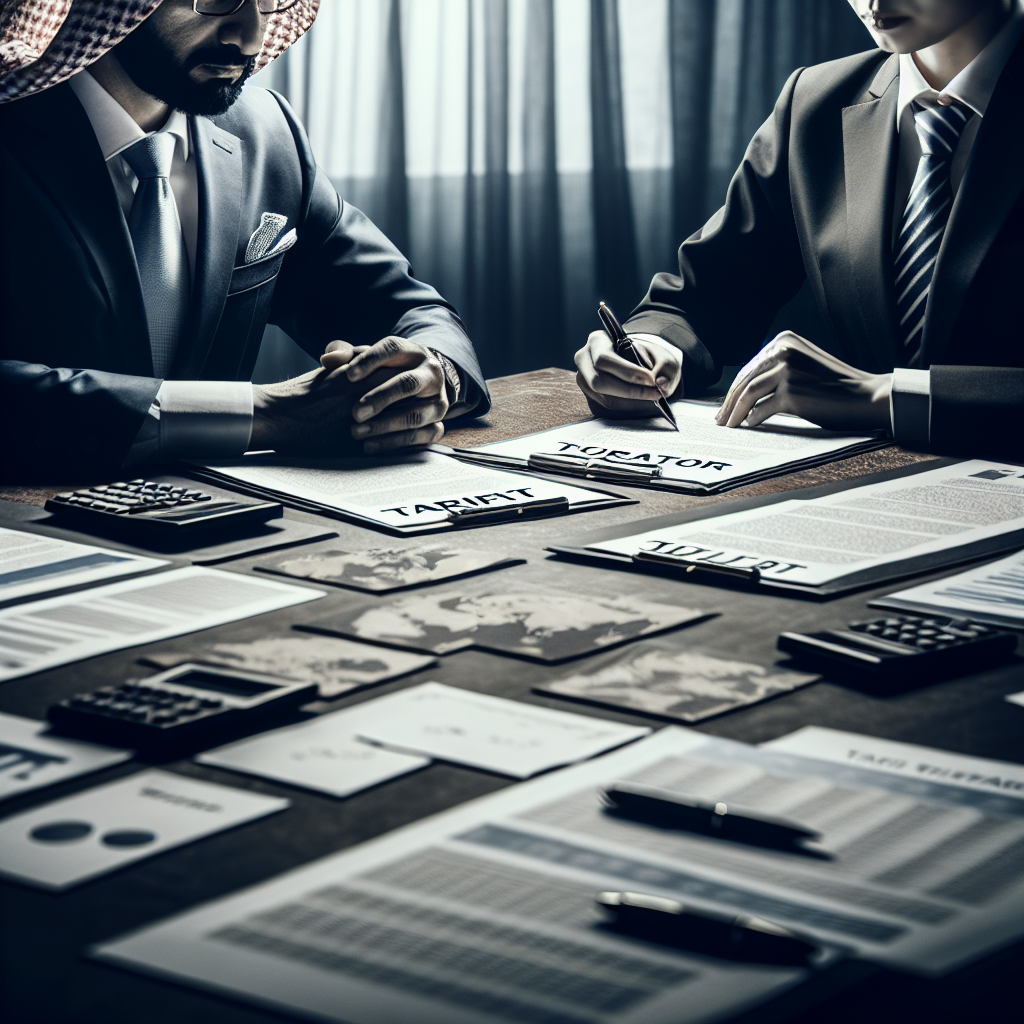
In a decisive move to reinforce unity, European Union foreign ministers met in Cyprus on Thursday, reiterating their singular approach to possible talks with Moscow regarding the Ukraine conflict. The meeting underscored that Europe, not Russia, would choose its representative for any potential negotiations.
Earlier suggestions by President Putin, proposing former German chancellor Gerhard Schroeder as the negotiator, were flatly rejected. European foreign policy chief Kaja Kallas emphasized the necessity of a collective European voice, warning against Russia setting the terms of engagement or influencing Europe's choice of negotiator.
The discussions in Cyprus reflected the EU's focus on strategy rather than appointments, highlighting the importance of a united front and the substance of negotiations. As anticipation builds, ministers maintained that Europe's consensus would be paramount, and any negotiations would emerge from mutual agreement among its member states.
(With inputs from agencies.)


 Google News