



Europe Strengthens Hydrological Early Warning Systems Through Expanded HydroSOS Implementation
The latest developments mark a significant step toward creating a more integrated and operationally consistent hydrological information system throughout Europe.
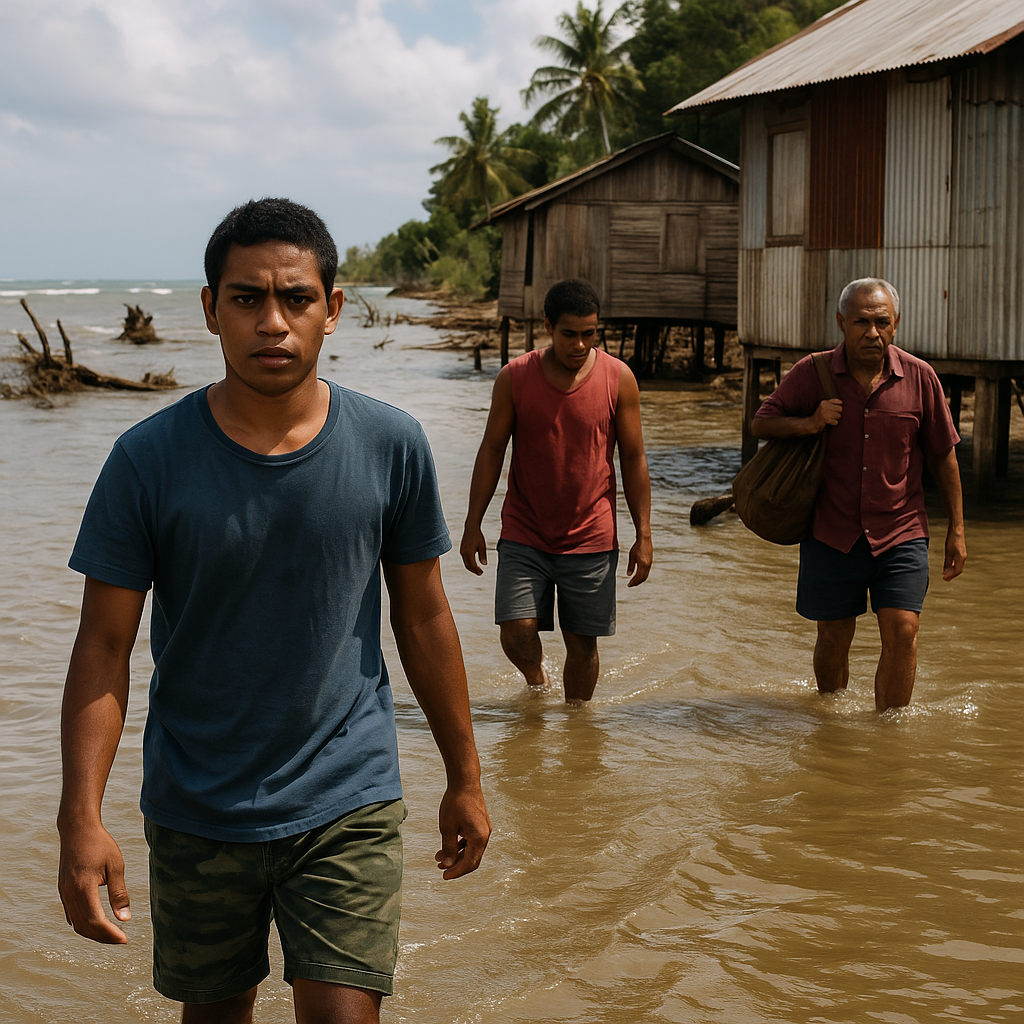
The World Meteorological Organization (WMO) Regional Association VI (RA VI), which covers Europe, is entering a new phase in the implementation of the Hydrological Status and Outlook System (HydroSOS), a global initiative designed to enhance hydrological monitoring, strengthen early warning capabilities and improve the delivery of actionable water-related information across countries and river basins.
The latest developments mark a significant step toward creating a more integrated and operationally consistent hydrological information system throughout Europe. By promoting collaboration, technical knowledge exchange and standardized approaches, HydroSOS seeks to help countries better understand and respond to increasingly complex water-related challenges driven by climate change and growing hydro-climatic extremes.
As droughts, floods and other water-related hazards become more frequent and severe across the continent, the need for reliable, harmonized and timely hydrological information has become a critical priority for governments, water managers, emergency planners and communities.
Rising Climate Risks Increase Demand for Better Water Intelligence
Europe has experienced a growing number of extreme weather and climate-related events in recent years, including prolonged droughts, severe flooding, heatwaves and compound climate hazards that affect water availability, agriculture, ecosystems and economic activities.
Climate scientists warn that changing precipitation patterns, rising temperatures and increasing climate variability are placing unprecedented pressure on water resources across many parts of the region.
These challenges require more sophisticated monitoring and forecasting systems capable of providing decision-makers with accurate information about current hydrological conditions and future water-related risks.
HydroSOS has emerged as an important tool in addressing these needs by creating a framework through which countries can generate and share consistent hydrological status and outlook information while maintaining control over their national data systems.
What Is HydroSOS?
The WMO Hydrological Status and Outlook System is a global operational framework designed to provide harmonized information on hydrological conditions such as river flows, groundwater status, soil moisture and other key water-related indicators.
The system supports the production of standardized assessments and forecasts that help users understand both current conditions and likely future developments.
Unlike centralized monitoring systems, HydroSOS respects national data sovereignty and builds upon existing national operational systems rather than replacing them. Participating countries retain ownership and control of their data while contributing to a broader regional and global picture of hydrological conditions.
This approach allows for greater interoperability and consistency while accommodating the diverse institutional and technical arrangements that exist across countries.
New Implementation Guide Supports Member States
One of the most important recent developments is the publication of the HydroSOS Implementation Quick Reference Guide for RA VI Members.
The guide has been developed to help countries move more effectively from conceptual understanding to operational implementation. It provides practical and structured guidance on implementation pathways, workflows, technical considerations and operational procedures.
By offering step-by-step orientation, the document aims to simplify the process for national meteorological and hydrological services seeking to engage with HydroSOS and integrate its methodologies into existing operations.
The guide serves as both an educational resource and a practical roadmap, helping organizations understand how HydroSOS can be adapted to their specific national contexts.
Bridging the Gap Between Concepts and Operations
One of the challenges often encountered in large-scale international initiatives is translating strategic concepts into practical operational systems.
The new reference guide seeks to address this challenge by providing concrete implementation advice that bridges the gap between theory and practice.
It outlines key concepts, institutional requirements, operational workflows and technical processes that countries can use to begin or expand HydroSOS implementation.
By reducing uncertainty and providing clear implementation pathways, the guide is expected to accelerate adoption and strengthen institutional readiness across the region.
Technical Session to Build Operational Capacity
Complementing the release of the implementation guide, WMO is organizing a dedicated RA VI HydroSOS technical session aimed at strengthening operational understanding of the system.
The session will provide an opportunity for hydrological experts, operational agencies and national representatives to engage directly with HydroSOS developers and WMO specialists.
Participants will receive detailed explanations of the system’s architecture, operational products and implementation approaches. Live demonstrations of the HydroSOS platform will showcase how information is generated, visualized and delivered to users.
Such exchanges are expected to enhance technical capacity and support countries in integrating HydroSOS into their existing forecasting and early warning systems.
Significant Progress Already Achieved
The new implementation phase builds upon several years of successful pilot activities and technical development across Europe.
National and transboundary pilot projects have demonstrated the feasibility of generating standardized hydrological status and outlook products using both national and shared systems.
HydroSOS has also been integrated with advanced forecasting platforms such as Delft-FEWS, one of the most widely used operational flood forecasting and water management systems in Europe.
Research-to-operations initiatives, including projects such as OUTLAST, have further contributed to testing methodologies and refining operational approaches.
These achievements have laid a strong foundation for broader implementation and regional scaling.
Expanding from Pilots to Operational Deployment
The focus of HydroSOS in Europe is now shifting from experimental and pilot activities toward sustained operational deployment.
This transition represents a major milestone in the maturation of the initiative. Rather than testing concepts in isolated settings, the goal is now to establish HydroSOS as a routine component of hydrological monitoring and forecasting services across the region.
Future efforts will concentrate on expanding participation to additional countries and river basins while strengthening coordination among regional institutions.
Broader implementation is expected to enhance consistency in how hydrological information is produced, interpreted and communicated across Europe.
Strengthening Links with Climate Services
A key priority for the next phase involves strengthening integration between HydroSOS and other climate information services.
This includes closer collaboration with Regional Climate Centres, which provide climate monitoring, forecasting and advisory services across Europe.
HydroSOS outputs are also expected to become increasingly integrated into products such as:
-
Climate Watch Advisories;
-
Regional Climate Outlooks;
-
Drought monitoring systems;
-
Water resource management tools;
-
Early warning services.
Combining hydrological and climate information can provide a more comprehensive understanding of emerging risks and improve decision-making.
Supporting Early Warnings for All
The HydroSOS initiative aligns closely with the global Early Warnings for All initiative, which seeks to ensure that everyone on Earth is protected by effective early warning systems.
Reliable hydrological information is a critical component of early warning systems for floods, droughts and other water-related hazards. By improving the availability and consistency of hydrological forecasts, HydroSOS contributes directly to enhancing preparedness and reducing disaster risks.
Early warning systems not only save lives but also help protect infrastructure, agriculture, ecosystems and economic activities from the impacts of extreme events.
The expansion of HydroSOS therefore supports broader efforts to strengthen resilience in the face of climate change.
Enhancing Drought Resilience and Climate Adaptation
Droughts have become an increasingly significant concern across Europe, affecting water supplies, agriculture, energy production and ecosystems.
HydroSOS is expected to play an important role in strengthening drought resilience by providing early indications of emerging water shortages and supporting proactive management responses.
The system can also contribute to longer-term climate adaptation planning by helping authorities better understand changing hydrological patterns and assess future risks.
Reliable hydrological information enables governments and water managers to make more informed decisions regarding infrastructure investments, water allocation strategies and environmental protection measures.
Building a More User-Oriented Hydrological System
At its core, HydroSOS is designed to transform complex hydrological data into practical and actionable services for users.
Traditionally, hydrological information has often been highly technical and difficult for non-specialists to interpret. HydroSOS seeks to address this challenge by providing standardized products that support a wide range of users, from policymakers and emergency managers to farmers and water resource planners.
The initiative reflects a broader shift toward user-centered service delivery, ensuring that scientific information is accessible, relevant and useful for decision-making.
Toward a More Resilient Europe
The strengthened implementation of HydroSOS across the WMO Europe region represents an important advancement in hydrological monitoring and climate resilience.
By combining practical implementation guidance, technical capacity-building and ongoing knowledge exchange, the initiative is helping countries move toward more consistent, interoperable and operational hydrological services.
As climate-related water challenges continue to intensify, such systems will become increasingly important for supporting early warning, drought management, flood preparedness and sustainable water resource planning.
Through HydroSOS, Europe is taking another step toward building a more resilient future in which hydrological information can be transformed into timely action that protects lives, livelihoods and ecosystems.
- READ MORE ON:
- WMO
- HydroSOS
- Europe
- Hydrological Monitoring
- Early Warning Systems
- Climate Adaptation
- Water Resources
- Drought Resilience
- Flood Forecasting
- RA VI
- Hydrology
- Climate Services
- Delft-FEWS
- Water Management
- Hydro-Climatic Extremes
- Early Warnings for All
- Regional Climate Centres
- Environmental Monitoring
- Sustainable Development
- Climate Resilience.


 Google News