



EU's Kerosene Reserves: A Guardian Amidst Supply Woes
The Dutch government estimates that the European Union could sustain its economy with kerosene for about five months amid potential shortages due to the Iran war. European production, strategic reserves, and imports are key to managing fuel needs in light of disruptions like the Strait of Hormuz closure.
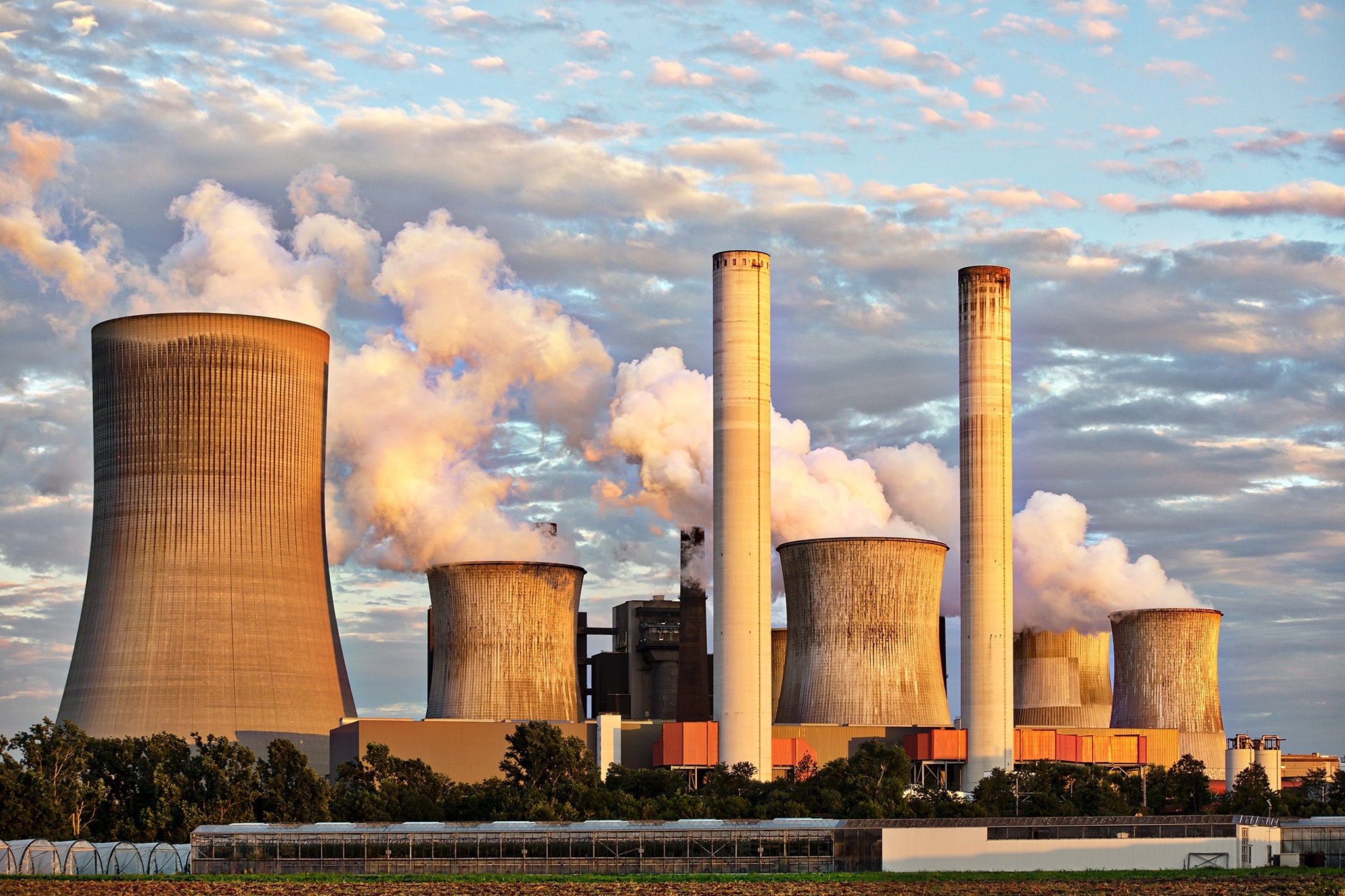
Amidst escalating concerns over potential jet fuel shortages, the Dutch government has projected that the European Union's kerosene reserves will bolster its economy for approximately five months. This estimation draws heavily from domestic production and strategic reserves, according to a parliamentary letter.
European airlines have been on alert, warning of possible fuel shortages due to ongoing tensions in Iran. The Dutch government revealed that domestic kerosene supply is currently operating at 78% of normal levels, heavily reliant on the Port of Rotterdam's vast refinery capabilities.
As a measure against surging energy prices exacerbated by the closure of the Strait of Hormuz, the Dutch government has initiated an oil crisis plan, complete with a relief package offering tax and financial incentives to alleviate the economic strain on households and businesses.
(With inputs from agencies.)
ALSO READ
India and Netherlands Forge Strategic Partnership Amid Global Challenges
India-Netherlands Forge Strategic Partnership Amid Global Geopolitical Shifts
Unacceptable Threats to Commercial Shipping in Strait of Hormuz
India-Netherlands Forge Strategic Partnership Amid Global Geopolitics Shift
Navigating Turmoil: Protecting Commercial Shipping in the Strait of Hormuz


 Google News